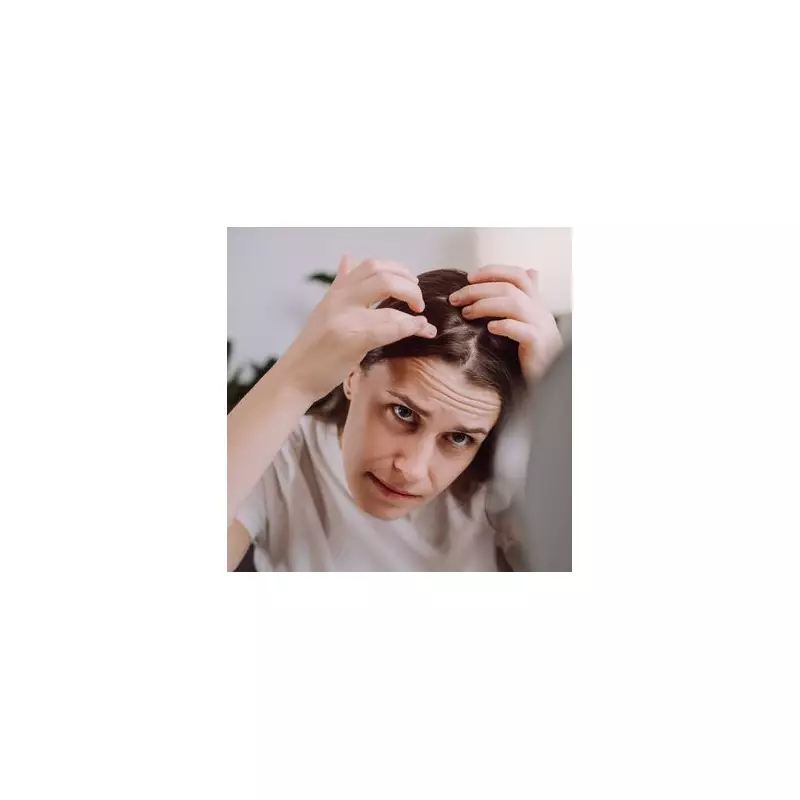
New research has laid bare the profound emotional and financial toll that hair loss is taking on women across the United Kingdom, revealing a crisis of confidence and social isolation.
The Devastating Personal Impact
A survey of 1,000 women who have experienced hair thinning or loss found that for 59%, the condition has severely disrupted their daily lives. The effects ripple out, impacting everything from sleep quality to relationships with partners.
The blow to personal confidence is particularly stark. 70% of respondents stated their self-esteem has suffered a major hit, while more than half (52%) confessed they no longer feel like themselves. This feeling is most acute among peri-menopausal women, a stage where symptoms like hair loss are more prevalent.

The resulting shame is driving social withdrawal, with 34% of all women surveyed admitting they have completely avoided social occasions because of concerns about their hair.
The Costly Search for Solutions
In response to this distress, an overwhelming nine out of 10 women have turned to various remedies in a bid to restore their hair and their confidence. The pursuit spans a wide range of products and procedures:
- 54% have used thickening shampoos or conditioners.
- Nearly half (47%) have tried supplements to promote growth.
- 11% have opted for hair extensions or thickening fibres.
This quest for a solution carries a significant price tag. The study, commissioned by hair wellness brand Viviscal and conducted by OnePoll.com, found that annual spending on treatments can reach up to £319 per woman.
Confusion and Reluctance in Seeking Help
Despite the high levels of expenditure, the research also uncovered significant barriers to effective treatment. A substantial 35% of women are hesitant to seek any form of professional help, primarily due to fears of wasting money.
Furthermore, confusion reigns. 22% aren't sure where to go for advice, and one in five (21%) lack the confidence to know what treatment they actually need. Women who have not yet reached menopause are the most determined to find an answer, with 24% actively seeking a solution—double the number of those currently going through menopause.
Expert Insight on a Sensitive Issue
Trichologist and Viviscal ambassador Hannah Gaboardi commented on the findings, highlighting the deep personal connection to hair. "Hair is a key part of your identity, so losing it - especially without knowing why - can be very difficult," she said.
She explained the varied experiences, noting some women face rapid loss, others a gradual shedding, and some a general thinning over time. "Regardless of the pattern, it usually has a negative impact, leading to reduced confidence and a diminished sense of self - particularly for women in the early stages of menopause."
Addressing the market confusion, Gaboardi advised, "There's a lot of conflicting advice about how to tackle hair loss. Many people become so confused that they end up spending time and money on solutions that don't work. It's always best to follow the science and choose products with clear clinical results if it's something that concerns you."
The emotional landscape for women coping with hair loss is dominated by feelings of sadness (51%), frustration (44%), and anxiety (43%), painting a clear picture of the silent struggle affecting a significant portion of the UK's female population.