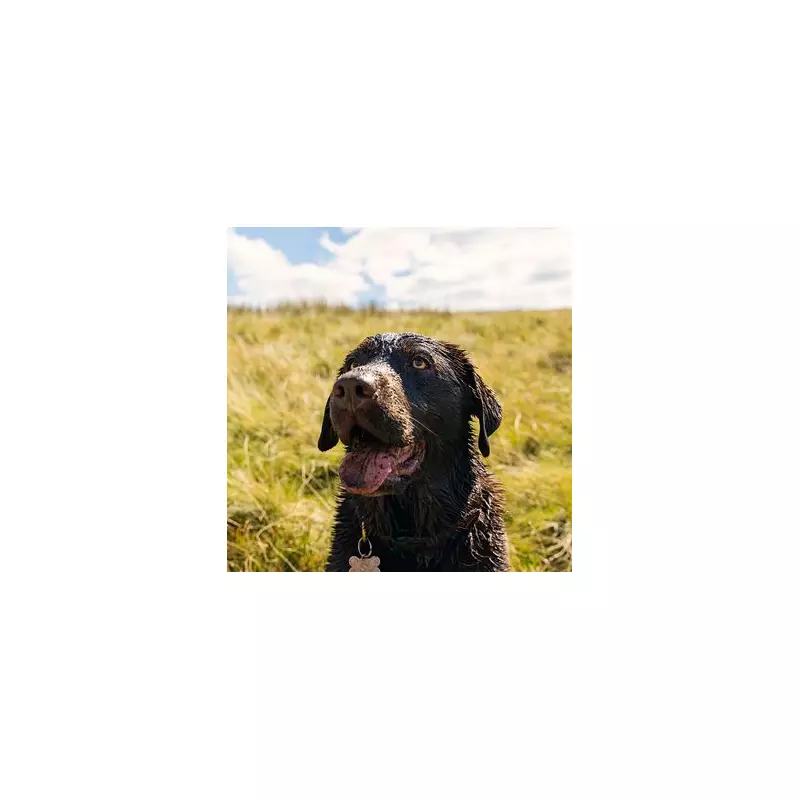
Veterinary experts are issuing an urgent alert to British dog owners concerning a rare but devastating disease, Alabama rot, which boasts a frightening 90% fatality rate in diagnosed pets.
What is Alabama Rot and What Are the Symptoms?
Dr Scott Miller, the resident vet on ITV's This Morning, highlighted the dangers of the condition during an appearance this week. He expressed his personal concern, both as a veterinary professional and as the owner of a cocker spaniel, a breed known to be more susceptible.
"It's scary for me, not only as a vet, because we can’t explain what causes it, but also as an owner," Dr Miller told presenters Ben Shephard and Cat Deeley.

Known scientifically as cutaneous and renal glomerular vasculopathy, Alabama rot initially presents as skin lesions. These can be mistaken for other minor issues but often appear as blistering between the toes or on the face. Crucially, the disease can then progress to cause severe, irreversible kidney damage.
Beyond the skin sores, other warning signs include vomiting, a noticeable loss of appetite, unusual tiredness, and increased thirst. These symptoms can indicate that kidney damage is occurring.
Case Numbers and Seasonal Risk in the UK
Since the disease was first identified in the UK in 2012, there has been a slow but steady increase in cases. According to data from Anderson Moores, there have been 330 confirmed cases in the UK to date. This includes 19 recorded in 2024 and a further two in 2025.
Despite first emerging in the US state of Alabama in the 1980s, scientists remain baffled by its exact cause. However, a seasonal pattern has been observed.
Dr Miller stressed that cases are more frequent during the winter months, making vigilance between November and March particularly crucial for pet owners.
Which Dogs Are Most at Risk and How to Respond?
The vet explained that the disease seems to be linked to environmental factors. "It tends to be dogs that like to be in muddy places, potentially wooded areas," he said. The location of the lesions—typically on the lower legs up to the hock, the face, and the chest—suggests contact with mud or damp vegetation may play a role.
However, it is vital to stress that Alabama rot remains an exceptionally rare condition. Many common issues can cause similar skin lesions, and vets will only diagnose Alabama rot after ruling out all other more common causes.
Official advice from the RSPCA recommends a practical precaution: "While it's extremely difficult to give advice about how to avoid Alabama rot, we recommend washing off all mud following a wet and muddy walk, especially through woodland."
Their most critical guidance is for owners to act quickly if they have any concerns: "If you're concerned that your dog may be suffering, we urge that you contact your vet immediately for further advice. If it is Alabama rot, early recognition and aggressive management are likely to have the best results."