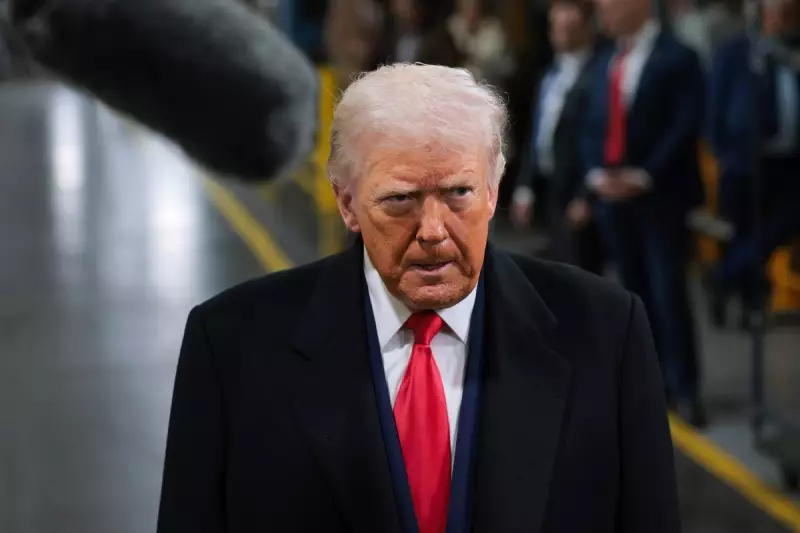
Former US President Donald Trump has formally presented a long-awaited healthcare strategy, aiming to overhaul the current system by introducing direct payments and a new cost-sharing model. The announcement, made on Thursday 15 January 2026, comes in direct response to the expiration of federal subsidies for Affordable Care Act (ACA) plans in December, which triggered significant premium hikes for millions of Americans.
Core Components of the Trump Proposal
The centrepiece of the plan is a shift away from the existing subsidy framework. The proposal would replace the expired federal Obamacare subsidies with a system of direct payments to individuals, likely facilitated through health savings accounts. This move is designed explicitly to reduce premium costs on the ACA insurance exchanges.
Beyond premium assistance, the initiative includes several other key healthcare reforms. It seeks to impose stricter regulations on pharmacy benefit managers, the intermediaries in the drug supply chain. Furthermore, the plan aims to broaden the range of medicines available over the counter and to formally codify a 'most-favoured nation' status for drug pricing, a mechanism intended to lower medication costs by tying US prices to those in other countries.

Addressing a Crisis in Affordability
This policy rollout is timed against a backdrop of mounting financial pressure on American households. The lapse of the ACA subsidies in December has led to a reported drop in enrollment and left many facing surging healthcare costs. The Trump administration frames this plan as a necessary corrective to a deteriorating situation.
In defence of the proposal, the White House press secretary characterised it as the "most comprehensive and bold agenda" to tackle high healthcare expenses, promising it would lead to lower costs for all citizens. The plan effectively positions itself as a market-oriented alternative to the previous subsidy model, emphasising direct consumer support and increased competition in the pharmaceutical sector.
Implications and Next Steps
The unveiling sets the stage for a major political debate over the future of American healthcare. While the proposal offers a clear alternative, its passage through Congress and its practical impact on insurance markets remain uncertain. The focus on direct payments via health savings accounts and drug price reforms indicates a continued preference for mechanisms that shift choice and cost-management responsibility towards individuals.
The success of the plan will likely hinge on its ability to demonstrably reduce premiums and out-of-pocket expenses more effectively than the previous subsidy system. As millions navigate the immediate aftermath of the subsidy expiry, this new proposal from Donald Trump aims to redefine the healthcare cost conversation for the foreseeable future.