Trump Administration Delays Medicare Coverage for Weight-Loss Drugs
The Trump administration has shelved a pilot program that would have allowed Medicare to cover the costs of popular GLP-1 weight-loss medications, including Wegovy and Zepbound. This decision comes after major health insurance companies expressed reluctance to participate in the initiative, citing significant challenges and financial concerns.
Pilot Program Shelved After Insurer Resistance
Medicare, which provides healthcare coverage to over 55 million older Americans, had been exploring a program called BALANCE. This pilot would have required participating insurance companies to cover GLP-1 drugs as a regular benefit, potentially reducing copays to around $50 per month for beneficiaries. Currently, without insurance or manufacturer discounts, these injectable medications can cost consumers more than $1,000 monthly.
However, the program has been postponed indefinitely after insurers, including UnitedHealth—the largest seller of Medicare Advantage plans—voiced substantial reservations. Bobby Hunter, head of UnitedHealth's Medicaid division, highlighted during an earnings call that "there are some notable challenges and outstanding questions with the currently planned structure."

Transitional Coverage and Future Plans
Despite the delay, Medicare beneficiaries already using these drugs will continue to receive coverage through a transitional program scheduled to run from July 2026 through the end of 2027. During this period, Medicare itself will foot the bill rather than individual insurance companies, according to reports from Axios.
The postponement will provide the U.S. Centers for Medicare & Medicaid Services additional time to refine the pilot's framework and address insurer concerns. This move reflects the complexities involved in integrating high-cost weight-loss medications into federal healthcare programs.
Trump's Focus on Drug Pricing and Public Health Impact
President Donald Trump has frequently promoted his efforts to lower prescription drug prices, describing them as "tremendous savings" for Medicare enrollees. His administration has secured deals with pharmaceutical giants like Eli Lilly and Novo Nordisk to reduce costs in exchange for access to new patient pools.
Nevertheless, reducing the price of GLP-1 drugs has proven particularly challenging. These medications, which Trump often refers to as the "fat shot," offer significant health benefits, including weight loss, improved blood sugar control, and reduced cardiovascular risks. Approximately one in eight American adults has used a GLP-1 drug for weight management or chronic condition treatment, according to data from KFF.
Cost and Accessibility Concerns
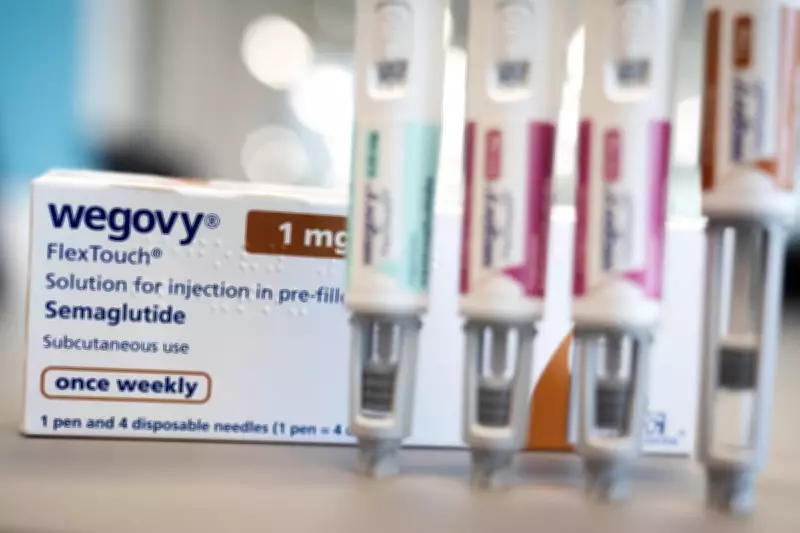
Without insurance coverage, the financial burden of GLP-1 drugs remains steep. Novo Nordisk charges about $349 per month for Wegovy, while Eli Lilly's Zepbound can cost between $499 and $1,086 monthly, depending on the dosage. Many manufacturers offer coupons to mitigate these expenses, but out-of-pocket costs remain prohibitive for many patients.
While these medications provide substantial health advantages, they are not without risks. Some users have reported severe side effects, including extreme vomiting, vision problems, and digestive issues. Balancing these concerns with the need for affordable access continues to be a key policy challenge.
The delay of the Medicare pilot program underscores the ongoing struggle to make innovative but expensive treatments accessible to older Americans, highlighting the tension between healthcare innovation, cost containment, and insurer participation in federal programs.