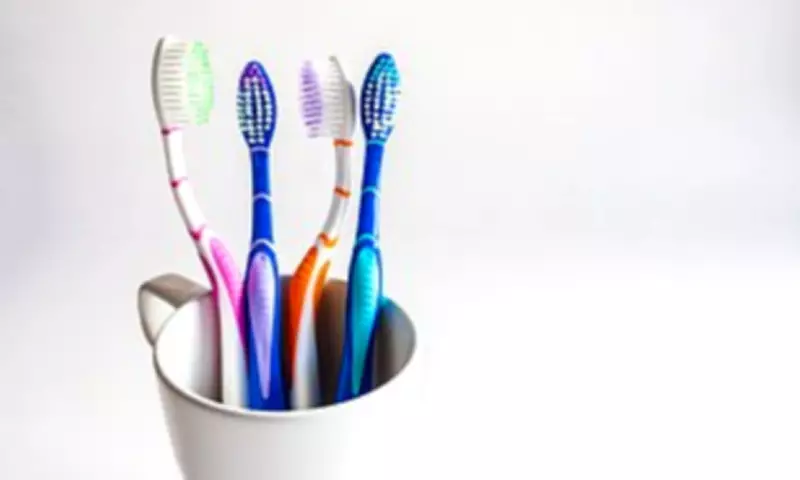
It is a ubiquitous item found in bathrooms across the globe, but the question of how often to replace your toothbrush has long sparked debate among users. Now, Dr Primrose Freestone, an Associate Professor in Clinical Microbiology at the University of Leicester, has provided definitive guidance to settle the discussion once and for all.
The Three-Month Rule for Toothbrush Replacement
According to Dr Freestone, speaking to the Daily Mail, individuals should change their toothbrush every three months under normal circumstances. However, she emphasises a crucial exception: if you have a mouth or gum infection, it is essential to replace the toothbrush more frequently to avoid reinfecting yourself. This advice aligns with NHS recommendations, offering a clear benchmark for maintaining oral health.
Reddit Users Weigh In on the Debate
The toothbrush debate has been a hot topic on Reddit for years, with many users echoing Dr Freestone's three-month guideline. One user noted, 'I replace my toothbrush whenever it clearly looks worn down, which usually is around the three-month mark if not sooner.' Another added, 'For me, it is more than just wear; I am worried about bacteria build-up. I replace them roughly every three months.' A third commented, 'I replace my toothbrush head when the bristles are frayed and not as effective, which is usually around three months or so.'

However, not everyone adheres to this timeline. Some Reddit users believe their toothbrushes remain usable for up to a year, with one stating, 'The recommended time is three months, but my brush still looks good after that time. In fact, it still looks good after one year.' Despite such claims, Dr Freestone stresses that appearance alone is not a reliable indicator of hygiene, as microbial contamination can occur even if the brush looks intact.
Proper Cleaning and Storage Practices
Dr Freestone points out that where many people go wrong is not in how often they change their toothbrush, but in how they clean and store it between uses. She explains, 'Food debris left from brushing the teeth can support the growth of bacteria and fungi. Your mouth has over 500 species of bacteria and fungi, and some of these end up on your toothbrush each time you clean your teeth, so toothbrush cleaning is essential.'
To maintain a hygienic toothbrush, she recommends washing it under hot water for at least 30 seconds after each use to remove toothpaste, bacteria, and food residue. For more stringent cleaning, Dr Freestone suggests a short 30-minute soak in baking soda, hydrogen peroxide, or antibacterial mouthwash, or a one-minute exposure to hot steam from a kettle.
As a microbiologist, Dr Freestone takes extra precautions with her own toothbrush. 'I also shampoo my toothbrush every week in antibacterial hand wash, which removes both food debris and kills off any microbes the hot tap wash did not deal with,' she added. Furthermore, she advises keeping toothbrushes away from toilets to avoid contamination from flush spray, which can carry faecal bacteria.
Guidelines for Using Electric Toothbrushes
For those using electric toothbrushes, proper technique is key to effective cleaning. According to Oral-B, users should place toothpaste on the brush head, hold the brush at a 45-degree angle, and turn it on before moving it from tooth to tooth. Guide the brush along the front, back, and chewing surfaces of each tooth, holding it over each surface for several seconds without applying excessive pressure. Continue for around two minutes to ensure thorough cleaning, then rinse the brush head with water and allow it to dry completely.
This comprehensive approach to toothbrush care, combining timely replacement with diligent cleaning, can significantly enhance oral hygiene and prevent health issues. By following Dr Freestone's expert advice, individuals can ensure their toothbrushes remain effective and safe for daily use.