TikTok Star Documents Grandmother's Dementia Journey with 1.8 Million Followers
TikTok Star Shares Grandmother's Dementia Journey with Millions

TikTok Creator Builds Community Around Grandmother's Dementia Journey

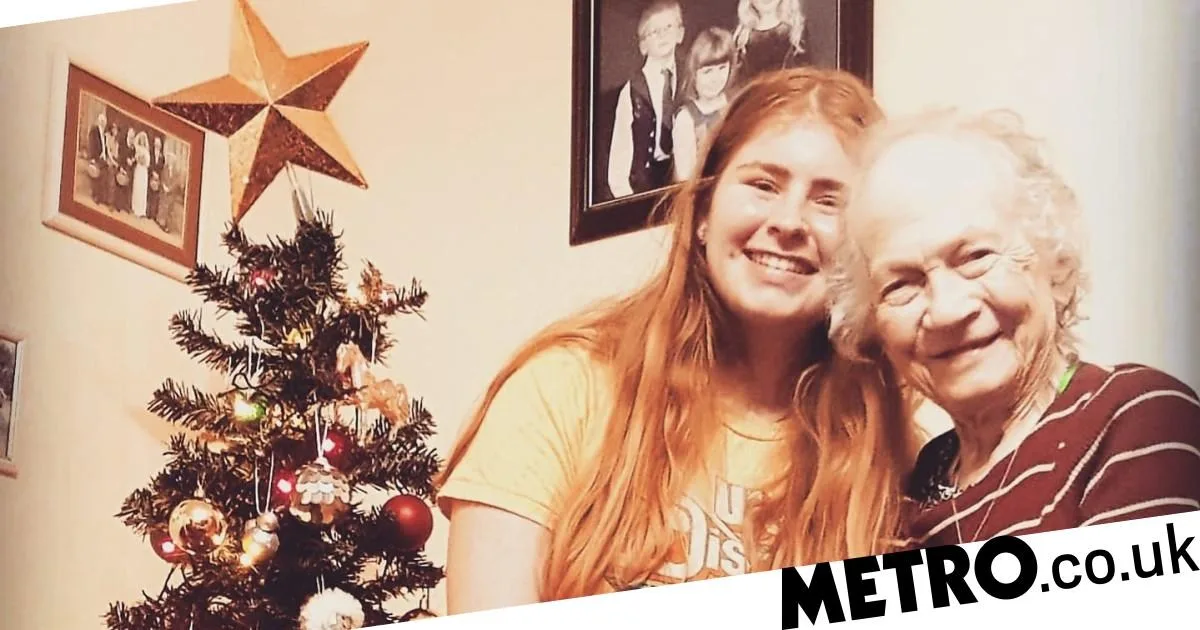
"My grandma is 93 now," Jessica Anne tells her 1.8 million TikTok followers while holding her grandmother Dorothy's hand in a care home bed. "Bloomin' heck!" Dorothy responds with characteristic spirit. "I'm glad I'm not like her, then. Ninety three, I'm glad I'm not that age yet."

Jessica, known online as Little Jess, chuckles at her grandmother's remark before gently reassuring her. But beneath the laughter lies profound sadness - Dorothy is indeed her grandmother, living with advanced mixed dementia that has erased her memory of their lifelong bond.

The Painful Reality of Daily Recognition Loss

For three years, the 28-year-old content creator has documented her family's experience with Dorothy's dementia on TikTok, providing almost daily updates that reveal the heartbreaking reality of the disease. Originally from Chesterfield and now residing in the East Midlands, Dorothy was officially diagnosed in 2017, one year after first showing symptoms.

Wide Pickt banner — collaborative shopping lists app for Telegram, phone mockup with grocery list

"Now, Nan doesn't know who I am at all, and I don't really know who she is either," Jess explains to the Daily Mail in support of the Defeating Dementia campaign. "We're very much like two strangers meeting each other for the first time every day." She describes this daily reset as both painful and traumatic, yet she maintains their tradition of seeing each other daily despite the emotional toll.

A Bond Forged in Childhood

Growing up, Jess lived just minutes from her grandparents and spent countless hours in their home. Dorothy, a mother of five who worked in cafes and factories throughout her life, played a significant role in raising her granddaughter. "We never had a day when we didn't see each other," Jess recalls. "Even growing up when I had friends at school, I would always pick my grandparents over friends because that's just the bond we had."

The first signs emerged in 2016 when Dorothy was 83. Jess remembers her normally talkative grandmother - a "warm" person with a "sunshine" personality who loved striking up conversations with everyone - suddenly becoming "lost" in discussions, struggling to find words, and sometimes freezing mid-sentence.

The Frustrating Path to Diagnosis

"We didn't know what we were looking for," Jess admits about those early days. As Dorothy's symptoms progressed to include spatial disorientation in her own home, frequent falls, and medication mismanagement, the family begged doctors for answers. According to Jess, medical professionals dismissed their concerns for a year, attributing symptoms to water infections, anxiety, depression, and isolation.

Dorothy herself provided crucial clues, telling family members, "My brain feels really foggy today," or "The cogs aren't working." These self-descriptions helped the family understand something significant was occurring. Finally, in 2017, Dorothy received diagnoses of both Alzheimer's disease and vascular dementia.

Adapting to Changing Needs

After the diagnosis, the family made extensive modifications to keep Dorothy in the home she shared with her late husband Arthur, an ex-soldier who passed away in 2012. They added Post-it notes as reminders and Jess's mother became a full-time carer. For several years, this arrangement worked, but as Dorothy's cognition declined, safety concerns mounted.

"She forgot how to walk and move her body," Jess explains about the increasing falls. "That connection between brain and body was cut off, missing." After multiple hospitalizations, social services recommended round-the-clock care, leading to Dorothy's move to a care home in late 2019.

The Pandemic's Isolating Impact

When COVID-19 lockdowns began months later, Jess experienced the unprecedented reality of being unable to visit her grandmother daily. When restricted visits resumed, full PPE requirements meant no physical contact. "Nan couldn't understand why we were in capes and masks," Jess remembers of those difficult encounters.

Building an Unexpected Community

Jess had long recorded moments with Dorothy for personal memories, but in 2023, she decided to share a particularly poignant clip on TikTok. "I went to visit Nan on the Monday and she knew who I was," she recounts. "By the Tuesday she didn't know who I was at all, and I captured that moment on video."

Pickt after-article banner — collaborative shopping lists app with family illustration

The response was immediate and overwhelming. "The clip reached millions over the next few days," Jess says. "People from so many different avenues were flooding in with comments, from people who had never heard the word dementia before to others who were grieving because they'd lost someone to dementia." This connection inspired her to continue sharing their journey.

Music as a Bridge Between Worlds

Despite Dorothy's inability to recognize her granddaughter, music consistently provides connection. Research supports this phenomenon, with Alzheimer's Society knowledge officer Angelo Makri noting, "A familiar song can unlock treasured memories and spark special moments of connection with others."

In many TikTok clips, Jess sings with Dorothy, who enthusiastically joins in. "It's our safe space," Jess explains. "If she's having a stressed day, a sad day, an angry day, music is a connection point for us. Now when I step into her space we have to build up that connection and bond again because she doesn't know who I am. Whereas music is a safe zone for us."

The song "You Are My Sunshine" holds particular significance - a tune Dorothy sang to Jess at the beginning of her life that now comforts them both as Dorothy approaches life's end.

Documenting Precious Time

Jess approaches each visit without expectations, acknowledging dementia's unpredictability. "Some days she's sleeping the whole visit, some days she's shouting at me to get out of her room," she says. "But I always try and look for one joyful moment in that day, no matter how small it is."

While her content helps others affected by dementia, Jess maintains a deeper purpose: preserving precious time with her grandmother. "One day I will look back on this digital diary we've created," she reflects. "Nan would be overwhelmed if she knew how many millions of people she was helping. She always wanted to help people so it's really lovely that we've created something so special as this."

Through daily documentation, Jess has transformed personal grief into a supportive community while honoring the grandmother who no longer remembers their shared past but remains connected through music, presence, and love.




