Postcode Lottery Denies Men Advanced Prostate Cancer Care
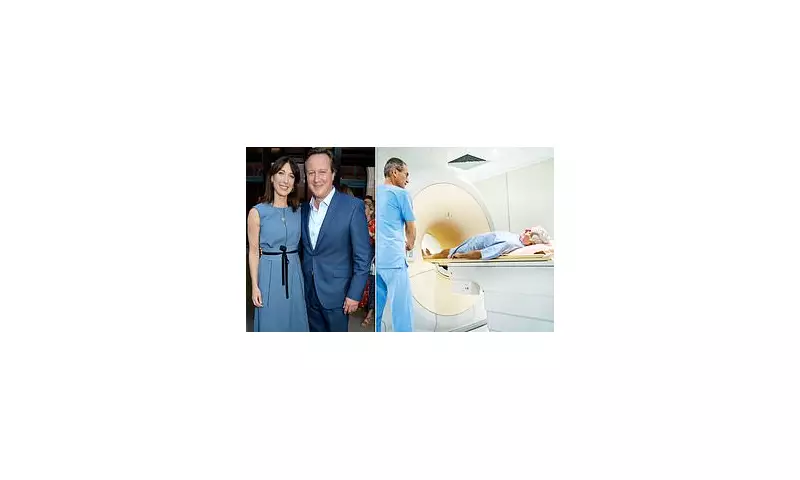
Thousands of men across the UK are being denied a revolutionary prostate cancer treatment that dramatically reduces the risk of life-changing side effects, despite its successful use by former Prime Minister David Cameron. The treatment, known as focal therapy, is a targeted approach that is less invasive than traditional surgery or radiotherapy, yet it remains inaccessible to the vast majority of NHS patients.
Lord Cameron revealed last week that he had been successfully treated with focal therapy, which precisely targets tumours while preserving healthy tissue. This method slashes the risks of common side effects such as erectile dysfunction and urinary incontinence, which can affect up to 20% of men undergoing standard operations.
The Stark Reality of NHS Provision
Despite its benefits, a glaring postcode lottery exists. Currently, just seven NHS hospitals provide focal therapy, and all are located in London and the South-East. According to the charity Prost8, while a third of men needing immediate treatment—equivalent to 17,000 men a year—would be suitable for the procedure, a mere 600 to 700 are offered it annually.

Paul Sayer, founder of Prost8, who himself was successfully treated with focal therapy, accused the NHS of betraying thousands of men. 'I speak to men who are terrified and wrongly being led to believe they have only two options – surgery or radiotherapy,' he said.
Cost and Capacity: A Compelling Case for Change
The case for expanding access is bolstered by significant cost savings. Focal therapy equipment is far cheaper than standard robotic surgery, costing £500,000 per unit compared to £1.7 million for a surgical robot. Furthermore, the treatment itself costs the NHS an average of £5,400 per patient, a fraction of the £15,000 for surgery and £10,000 for radiotherapy. Patients are typically in and out of hospital in a single day and are less likely to require extensive follow-up care.
Professor Hashim Ahmed, chair of urology at Imperial College London, confirmed the high demand, stating, 'Hospitals offering it cannot cope with demand. We need more hospitals, surgeons and capacity.'
However, the NHS remains cautious. A spokesman pointed to guidance from the National Institute for Health and Care Excellence (NICE), which urges caution due to focal therapy being relatively new and calls for more evidence on its long-term effectiveness. This stance persists even as about 63,000 men are diagnosed with prostate cancer each year, with 10,000 of those cases being incurable.
For the remaining 47,400 men, most undergo whole-gland surgery or radiotherapy. In contrast, focal therapy uses laser ablation, soundwaves, cryotherapy, or electrical pulses to destroy cancerous cells while sparing healthy tissue. With the treatment widely available privately for around £16,000, a two-tier system is effectively in place, leaving those reliant on the NHS with fewer, more invasive options.