
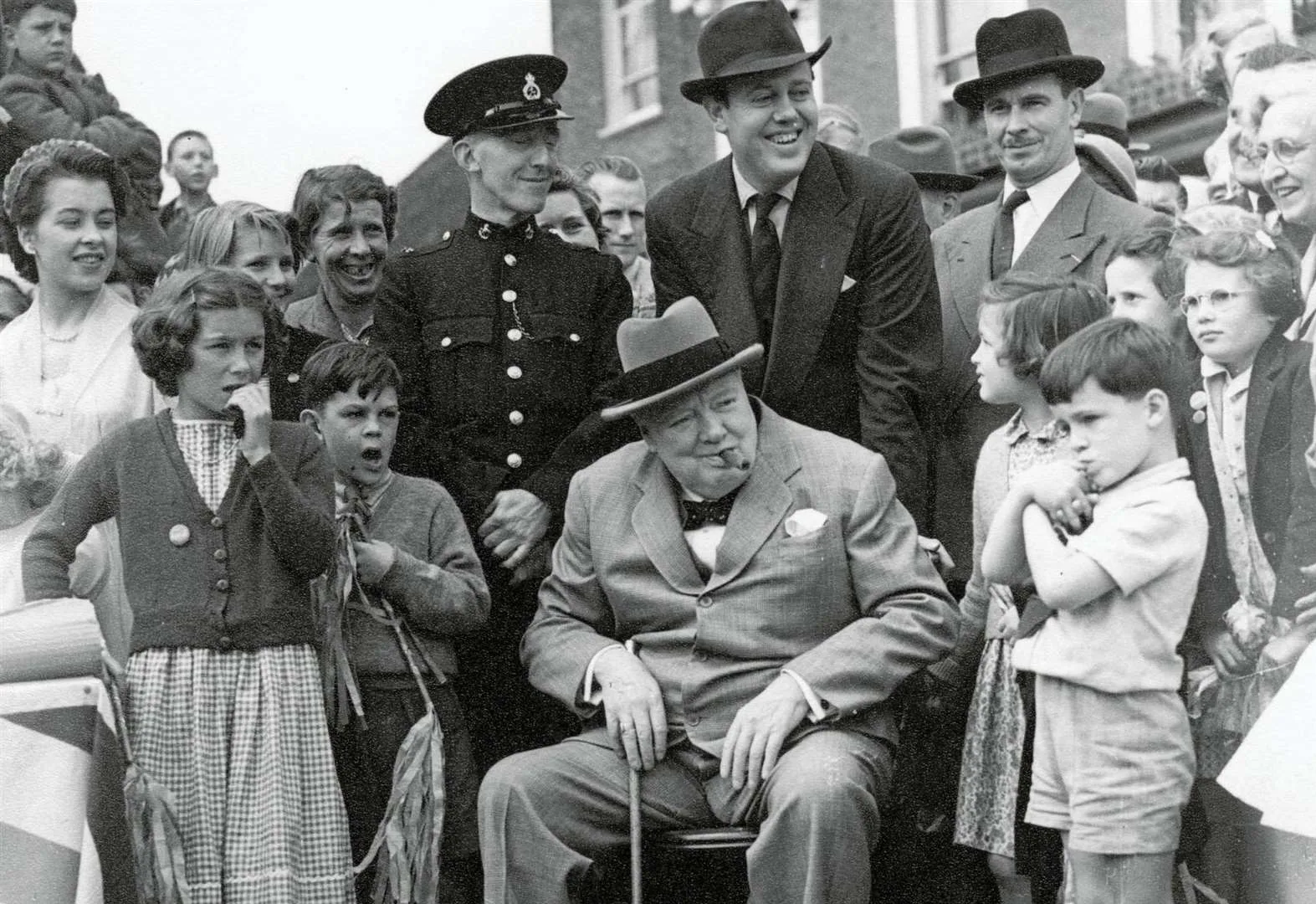
The 1950s marked a transformative decade for Kent, as the UK emerged from post-war austerity with rationing on essentials like soap and tea finally lifted. The era saw the rise of television, with almost three-quarters of households owning a set by 1960, though screens were only about 12 inches in size. The decade also welcomed a new Queen, the beginnings of mass car ownership, and the first electric trains, while shoppers still used shillings and sixpence, and the average house cost just £1,891 (equivalent to about £57,000 today).
Classic pictures from Kent towns reveal a starkly different life 70 years ago, yet also show early signs of the huge changes that would shape the modern county. The decade began with tragedy: on January 12, 1950, HMS Truculent sank after a collision off the coast of Medway, killing 64 men. That February, a certain Miss M Roberts (later Margaret Thatcher) stood for the Conservatives in Dartford in a General Election but failed to take the seat from Labour, which maintained its majority nationwide.
In July 1950, the first-ever purpose-built supermarket opened in Croydon by Sainsbury's, sparking a shopping revolution. Two months later, post-war soap rationing ended. Kent's worst road disaster occurred on December 4, 1951, in Dock Road, Gillingham, when a double-decker bus ploughed into Royal Marine cadets marching to a boxing tournament, killing 24 boys aged eight to 15 and injuring 18. The year had begun with the first episode of The Archers on January 1, still on air today.
In 1952, Winston Churchill achieved a remarkable political comeback, leading the Conservatives to victory in October's General Election. King George VI died on February 6, aged 56, and two days later Elizabeth was proclaimed Queen. The UK exploded its first atomic bomb in the Monte Bello Islands, Australia, and tea rationing finally ended in October after 13 years. The Queen's Coronation in June 1953 was televised by the BBC, boosting TV sales, while Kent suffered the worst floods in living memory that February, with a storm tide flooding the coast up to 5.6m high, damaging 990 miles of coastline and killing 307 people on land.
In June 1953, the first roll-on roll-off ferry crossed the Channel between Dover and Boulogne. The first weather forecast with an in-vision presenter aired in January 1954, and snow covered much of Kent that February. Roger Bannister broke the four-minute mile in May 1954, and the best-selling single was Secret Love by Doris Day. Winston Churchill resigned as Prime Minister in April 1955, succeeded by Anthony Eden, who won a General Election a month later. Clement Attlee resigned as Labour leader in December, replaced by Hugh Gaitskell. In September 1955, ITV launched, offering viewers an alternative to the BBC and quickly capturing 70% of its audience with shows like Opportunity Knocks.




