
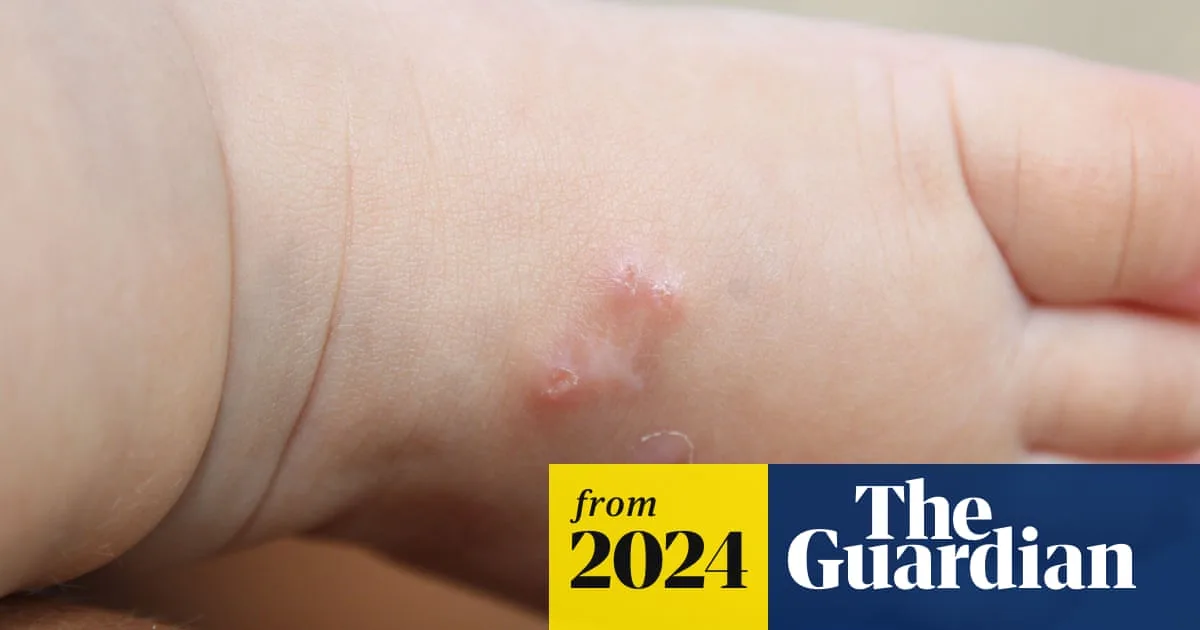
Doctors are reporting a surge in scabies cases across the UK amid an acute shortage of treatments, describing the situation as a 'nightmare' that poses a major public health threat. Scabies, a highly contagious condition caused by mites, results in an itchy rash and spreads through close skin contact.
The two main treatments in the UK, permethrin and malathion, have been in short supply for months due to supply chain problems, the war in Ukraine, and rising raw material costs. This has sparked an emerging public health crisis, with dermatologists and GPs struggling to treat patients swiftly.
In November, the north of England saw double the normal number of cases, with outbreaks reported in care homes, nursing homes, and university accommodation. Medics warn that failure to treat quickly is causing the condition to spread further.
Prof Mabs Chowdhury, president of the British Association of Dermatologists, said: 'The shortage of scabies treatments is something that urgently needs more attention. The public health calculation is not particularly complex – scabies spreads easily and if people aren't treated, then it will continue to spread.'
A survey by the British Association of Dermatologists found that eight of nine regional representatives reported an increase in scabies, and seven reported shortages of both treatments. Some patients have resorted to buying expensive alternative treatments online from outside the UK.
Prof Kamila Hawthorne, chair of the Royal College of GPs, noted that since July, GP consultations for scabies have been consistently higher than the five-year average, particularly in the north of England. At the end of November, the rate was three cases per 100,000, double the seasonal norm.




