A well-intentioned motorist in the US state of Georgia is facing a serious rabies scare after a dangerous encounter with a wild animal he was trying to save. The incident serves as a stark warning about the risks of handling wildlife without proper training.
A Dangerous Drive with a Wild Passenger
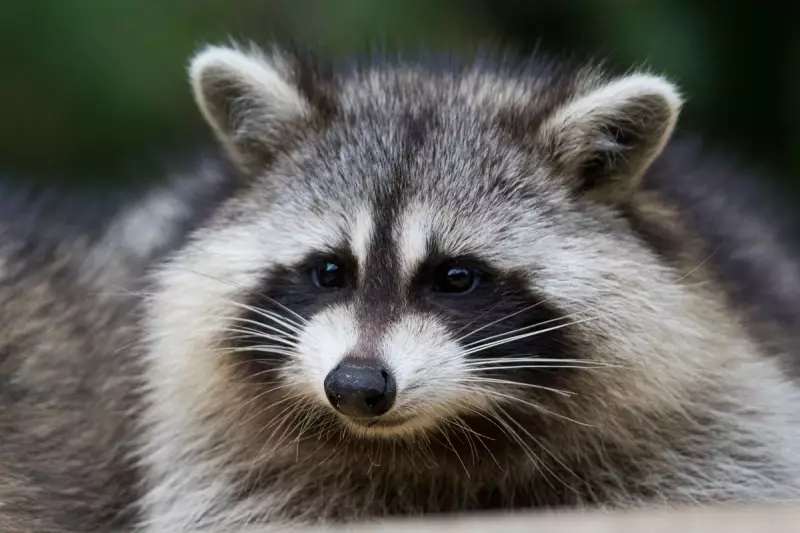
The event unfolded in Cherokee County when the unnamed man found a raccoon making noises in the road. Concerned it was hurt, he decided to intervene. Lacking a secure carrier, he wrapped the animal in his coat and placed it in his car, even holding it against his chest as he drove for over an hour to the Chattahoochee Nature Center.
During the journey, the situation turned perilous. The raccoon managed to free its head from the coat and began biting the man on his face and hands. Despite the attack, the man continued his mission, briefly returning home to secure the animal in a blanket before driving back to the nature centre. He arrived an hour before its wildlife clinic opened on Monday 1 December 2025.

Positive Rabies Test and a Frantic Search
Staff at the centre met the man in the parking lot and, after seeing his injuries, urgently advised him to seek hospital treatment. Following what they described as "much forceful insistence," he finally left to tend to his wounds. The staff then took the raccoon to a veterinary hospital, which agreed to test and euthanise it.
Two days later, the test confirmed the worst: the raccoon was positive for rabies. This news triggered major alarm, as officials knew the man who brought it in had been bitten and was at severe risk. However, he had refused to give his real name or correct contact details at the scene, providing a false telephone number and making contact tracing extremely difficult.
Critical Public Health Warning
Rabies is a devastating viral disease. If left untreated in humans, it is almost always fatal. Symptoms can include hydrophobia (fear of water), paralysis, seizures, confusion, and agitation, with death typically occurring from cardiac or respiratory failure within days of symptoms appearing.
Fortunately, a day after the rabies discovery, a family member of the man contacted the nature centre and provided his correct details, allowing health officials to follow up. The clinic staff used this incident to issue a crucial reminder: people should never attempt to handle distressed wild animals directly. Instead, they should contact licensed wildlife rescuers or relevant authorities.
Raccoons can transmit several serious diseases to humans, including:
- Rabies
- Raccoon roundworm
- Leptospirosis
All of these pose significant health risks and underscore the importance of maintaining a safe distance from wildlife, no matter how noble the intention to help may be.