
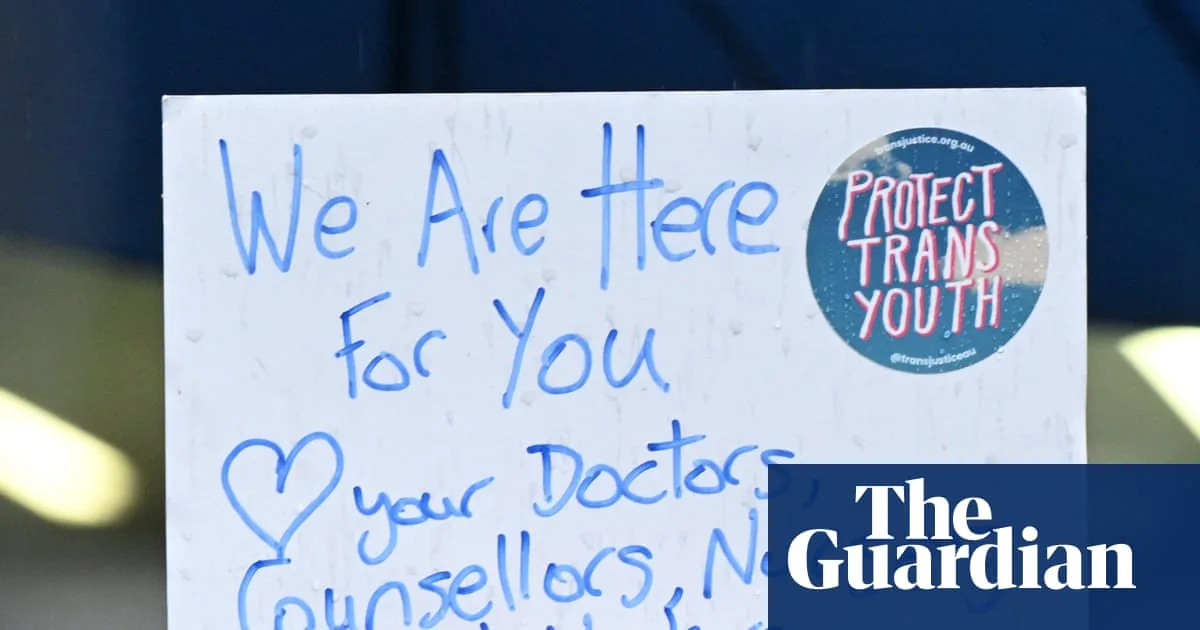
Queensland's health minister, Tim Nicholls, has announced that a pause on puberty blockers and hormone treatment for new adolescent patients with gender dysphoria in the state's public system will continue until at least 2031. The decision comes despite an independent review finding that treatment decisions 'must be informed by each individual's presentation and circumstances'.
The review, conducted by Professor Ruth Vine, Victoria's former chief psychiatrist, concluded that with proper and cautious oversight, accessing puberty blockers could benefit some young people. It also cautioned that international evidence supporting these treatments is limited and mostly of low quality. However, it stressed that limited evidence does not imply evidence of harm, and that withholding care would not strengthen the evidence base.
The extension of the ban follows a legal challenge in October, when Queensland's supreme court ruled the government's initial attempt to ban the prescriptions was unlawful. Mr Nicholls issued a new order within hours, which left unaffected those already receiving treatment. On Friday, he explained that the pause would remain until a clinical trial being undertaken by the UK's National Health Service is complete, with the trial due to finish in 2031.
The review found low-quality but consistent evidence that puberty blockers can reduce gender-related distress that may intensify during puberty, and that hormone therapy can alleviate existing distress with beneficial psychosocial effects. Professor Ada Cheung, an endocrinologist at the University of Melbourne, said the quality of evidence in this field is similar to other areas of child health. She added that while more high-quality evidence would be welcome, politicians should not disregard clinical expertise and patient values.
Rachel Hinds, chief executive of Open Doors Youth Service, criticised the timing of the announcement, noting that it coincides with a shutdown of many support services over the Christmas and new year period. She said the decision 'really puts the lives of trans and gender-diverse young people at risk'.




