Parents Launch Legal Challenge Against Government Over Puberty Blocker Trial
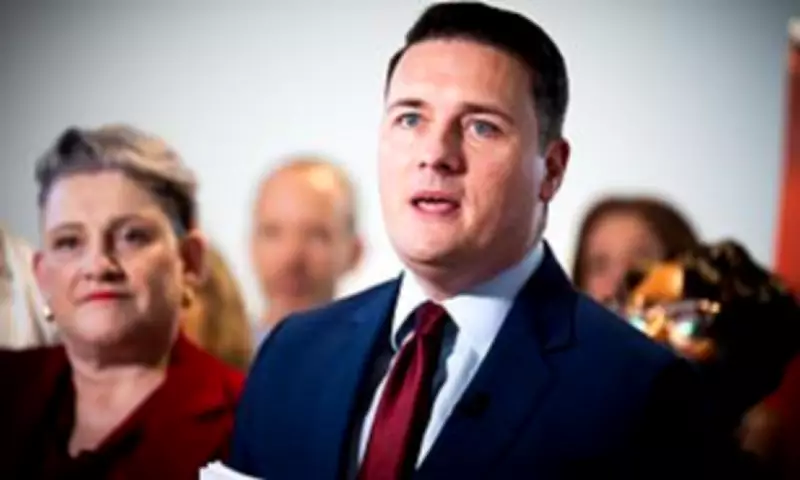
Parents of transgender children have initiated formal legal proceedings against the Government in a determined effort to stop a controversial clinical trial involving puberty blocking drugs. The claimants are taking action against both the Department of Health and Social Care, which is headed by Health Secretary Wes Streeting, and the Health Research Authority, which granted ethical approval for the research.
Legal Action Follows Previous Warnings
Campaigners had previously sent a legal letter in December to regulatory bodies, Government officials, and the trial researchers, calling for the study to be halted immediately. Having received no satisfactory response, they have now escalated their efforts by launching formal legal action. The claimants are seeking permission in the High Court to challenge the decision that granted approval for the trial to proceed.
The legal team has indicated they will, if necessary, request that recruitment for the trial be paused while legal proceedings are underway. This development comes after confirmation in November that both ethical and regulatory approval had been granted for the research study, which is being led by researchers at King's College London.

Trial Parameters and Recruitment Plans
Researchers have stated they aim to recruit approximately 226 young people aged between 10 and nearly 16 years old for the trial. The youngest participants will typically be 10 to 11 years old for girls and 11 to 12 years old for boys, with a maximum age of consent set at 15 years and 11 months. One group will receive puberty blockers for two years, while another group will receive the drugs after a one-year delay period.
Researchers have indicated that the first results from the trial would be expected around four years after commencement, and they noted that some young people could remain on the drugs beyond the trial period if deemed clinically appropriate by medical professionals.
Cass Review Recommendations and Evidence Concerns
The trial is being undertaken following a specific recommendation from the Cass Review into children's gender care services. The landmark review concluded that the quality of existing research claiming to show benefits of puberty blockers for youngsters with gender dysphoria was poor and inadequate.
Baroness Hilary Cass, who led the comprehensive review, has previously stated that her report uncovered a very weak evidence base for the benefits of puberty blockers for children and young people experiencing gender dysphoria. However, she added that given the passionate beliefs of some clinicians, children, and families about potential beneficial effects, a properly conducted trial represented the only way forward to establish clarity on this complex issue.
The senior paediatrician further argued that a supervised, regulated puberty blocker trial would be preferable to children potentially seeking and purchasing unregulated drugs through dangerous channels such as the dark web.
High-Profile Opposition and Political Concerns
A number of prominent figures have expressed strong opposition to the trial. Harry Potter author JK Rowling has signed a petition launched by one of the campaigners urging the Government to cancel the trial entirely. Rowling has been particularly vocal in her criticism, describing the trial as an unethical experiment on children who cannot give meaningful consent due to their age and developmental stage.
Tory leader Kemi Badenoch previously wrote to Health Secretary Wes Streeting, arguing that the medical trial must be stopped before more damage is done to vulnerable children. Meanwhile, Mr Streeting himself has admitted to feeling uncomfortable with the concept of puberty-suppressing hormones being used on young people. However, the Cabinet minister added that it is his responsibility to follow expert advice, and he believes proceeding with a properly regulated trial represents the right course of action.

Claimants and Their Concerns
The claimants in the legal action include the Bayswater Support Group, which comprises parents and guardians of children and young adults who identify as transgender or non-binary. The group also includes psychotherapist James Esses and Keira Bell, who began taking puberty blockers when she was 16 before later detransitioning. Bell has spoken publicly about the long-term effects such treatments had on her physical and mental health.
Mr Esses stated emphatically: We have given Wes Streeting and the relevant bodies every possible opportunity to pull the plug on this abhorrent trial. Even in the face of strong evidence of harm, consistent concerns from clinicians, and hundreds of thousands of members of the public petitioning them to stop, it is business as usual.
He continued: The recruitment of children is due to commence imminently, yet the conspiracy of silence continues. If they won't safeguard children of their own accord, we will compel them to do so. The rest of the world is looking on. We will not allow the UK to become the country that knowingly destroyed the lives of vulnerable children.
Current NHS Policy Context
It is important to note that puberty blockers are not currently prescribed on the NHS to children for the treatment of gender dysphoria. A ban implemented earlier in 2024 was made permanent in December of that year with agreement from devolved governments across the United Kingdom. This policy context makes the approval of a clinical trial particularly controversial among campaigners and concerned parents.
Regulatory and Institutional Responses
An HRA spokesperson stated that the trial had all the necessary regulatory approvals required to begin. They added: The application we received for the trial was reviewed in line with well-established legal and national policy frameworks by a properly constituted research ethics committee for clinical trials. Research ethics committees review research proposals and give an opinion about whether the research is ethical. The committees are made up from people who come from a range of backgrounds, including healthcare professionals and members of the public. The spokesperson declined to comment on ongoing legal proceedings.
A King's College London spokesperson responded: We strongly refute the claim that this carefully designed study is scientifically unsound or that it bypassed the ethics process and we can confirm that the study has completed all the necessary ethics and approvals processes. As part of this process the research team submitted the relevant information to the Research Ethics Committee and has been reviewed by independent scientists.
The spokesperson further explained: Randomised controlled clinical trials are the most robust method to determine whether a medicine or intervention is effective. They are commonly used to understand the benefits and risks of a medicine including for participants under the age of 18. Use of puberty suppression to treat young people with gender incongruence has not previously been subject to rigorous evaluation of benefits and risks, despite being prescribed widely. Existing evidence about the impact of puberty suppression to treat young people with gender incongruence is inconsistent.
The legal challenge represents a significant development in the ongoing national debate about appropriate medical care for transgender youth, pitting parental concerns against institutional research protocols and government policy decisions informed by expert review recommendations.