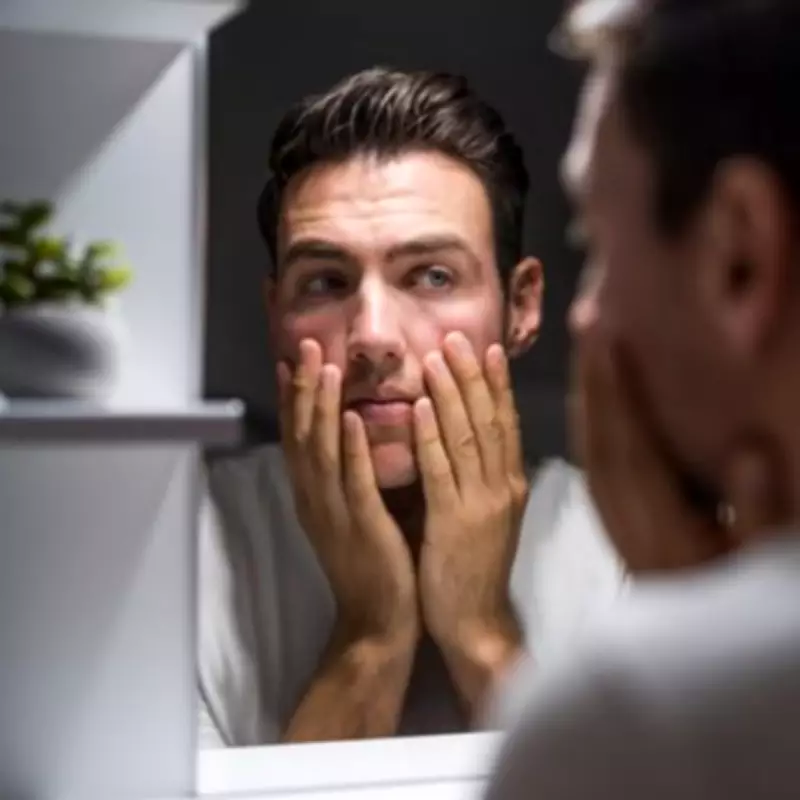
Pale Skin Could Signal Iron Deficiency: Warning Signs to Watch For
Medical professionals are issuing important health advice regarding changes in skin complexion, suggesting that unusually pale skin could serve as a visible indicator of underlying iron deficiency. This condition, if left unaddressed, may potentially lead to more serious health complications affecting cardiovascular and respiratory systems.
The Visible Warning Signs
Speaking through social media platforms, naturopathic doctor Dr Mac Toohey has highlighted how a deficiency in this essential mineral can manifest through clear physical symptoms. The medical expert explained that sometimes a "telltale sign" of iron deficiency can be observed from a distance, primarily through changes in skin coloration.
Dr Toohey clarified: "I'm not referring to situations where you haven't had sun exposure for several months. This concerns instances where something appears fundamentally wrong because insufficient oxygen circulates throughout your body." Beyond skin pallor, individuals might notice additional concerning symptoms that warrant medical consultation.

Beyond Skin Deep: Additional Symptoms
People experiencing iron deficiency might observe various physical changes beyond skin complexion. Dr Toohey elaborated: "Iron plays a crucial role in transporting oxygen to all your organs - including your skin, hair, and nails. When oxygen levels drop, your body prioritises vital organs like the brain and heart over these peripheral tissues."
This physiological prioritisation explains why individuals with low iron levels often experience brittle hair and spoon-shaped nails. The medical professional further noted: "Similarly regarding hair health, when ferritin levels - which represent the body's iron storage - fall below 50, we frequently observe increased hair loss."
Comprehensive Symptom Checklist
Beyond pale skin, several other indicators might suggest iron deficiency:
- Persistent tiredness and lack of energy
- Shortness of breath during normal activities
- Noticeable heartbeats or palpitations
- Frequent headaches
- Significant hair loss
- Altered taste perception of food
- Unusual cravings for non-food items like paper or ice
Medical Diagnosis and Testing
To determine whether iron-deficiency anaemia exists, general practitioners typically begin with a comprehensive assessment of lifestyle factors and medical history. Medical professionals usually conduct a full blood count examination to evaluate whether red blood cell levels fall within normal parameters.
Healthcare providers may schedule follow-up blood tests over subsequent months to monitor iron level recovery. Medical experts strongly recommend that individuals suspecting low iron levels seek prompt testing, as untreated deficiency can progress to full iron deficiency anaemia.
NHS Recommendations for Iron Intake
According to official NHS guidelines, daily iron requirements vary significantly based on biological gender and age. For men aged over nineteen and women over fifty, the national health service recommends a daily intake of 8.7 milligrams.
Women under fifty, or those continuing to experience menstrual cycles beyond that age, require increased iron intake to compensate for regular blood loss. The daily recommendation for this demographic stands at 14.8 milligrams.
Women experiencing particularly heavy menstrual bleeding face elevated risk for developing iron deficiency anaemia and might benefit from supplementary iron intake. However, medical professionals caution that excessive supplementation, combined with dietary iron, can lead to unpleasant side effects including constipation, nausea, vomiting, and abdominal discomfort.
Healthcare authorities emphasise that anyone noticing persistent pale skin alongside other concerning symptoms should arrange prompt consultation with their general practitioner for proper assessment and guidance.