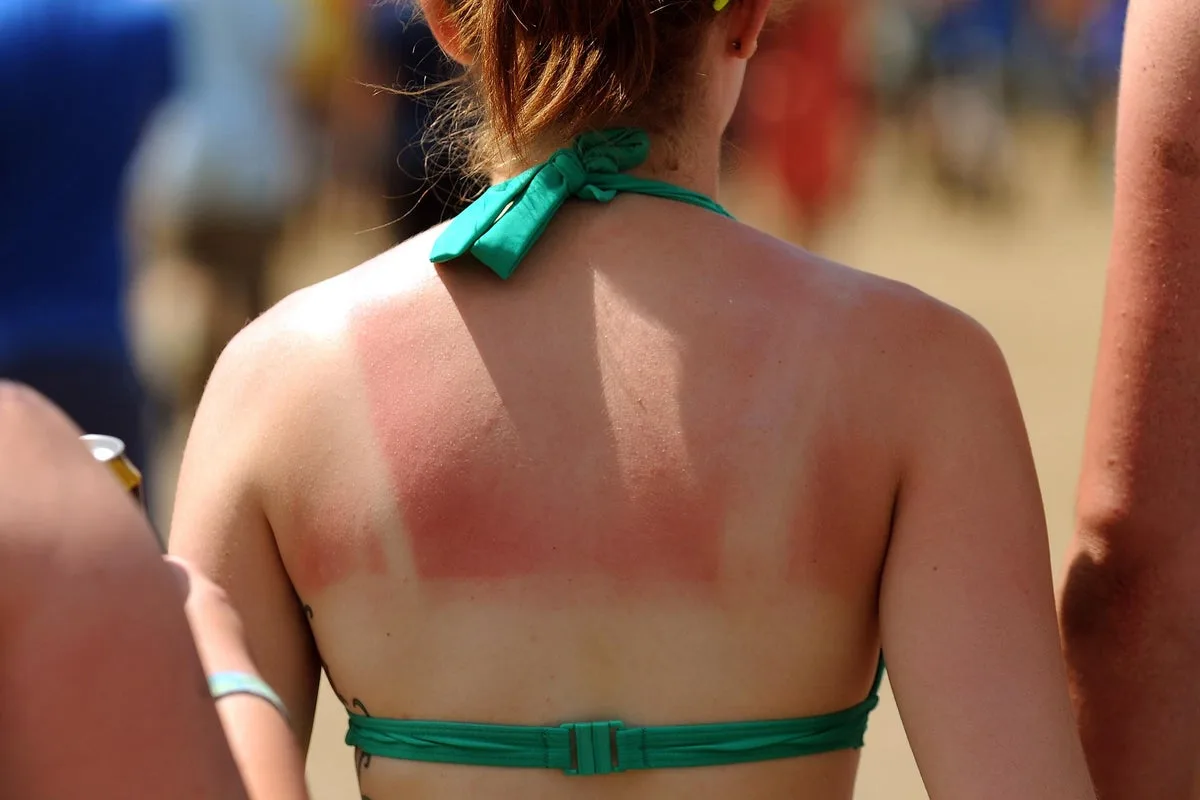
One in nine UK adults have admitted to deliberately burning their skin in hopes of getting a tan, according to a survey of more than 3,000 Britons for the charity Melanoma Focus. About 14 per cent of adults have either used sunbeds or sunbathed to intentionally burn their skin.
Almost a third (28 per cent) believe burning will make their tan look better, and 41 per cent said they sunburn to achieve a “deeper tan”. Some said they think sunburn looks attractive (8 per cent), while others admitted to copying social media (12 per cent) or doing it to create tan lines (16 per cent). More than a quarter (26 per cent) said they purposely burnt their skin more than three times a year, while 70 per cent did it approximately twice a year.
But experts warn that getting sunburnt just a handful of times can have potentially deadly consequences. Even one blistering sunburn in childhood or adolescence more than doubles a person's chances of developing melanoma later in life, according to Melanoma Focus. “It is alarming to see that so many individuals are putting themselves at serious risk by deliberately burning their skin, and overlooking the vital importance of sun protection. Melanoma skin cancer is extremely serious and five or more sunburns over your lifetime can double your risk of developing this potentially deadly disease,” said Susanna Daniels, chief executive of Melanoma Focus.
Melanoma is the fifth most common cancer in the UK, with around 19,400 new cases every year, and causes approximately 2,600 deaths annually. The survey also revealed 35 per cent of respondents never use sunscreen in the UK during the summer months, rising to 41 per cent among men.
Skin cancer sufferer Darren Barker, 48, from London, who was diagnosed with melanoma in 2023 after noticing a change in a mole on his leg, warned the cancer is more common than people think. Dr Thomas Carter, consultant medical oncologist at the Mount Vernon Cancer Centre, urged everyone, particularly men, to take care of their skin and wear sunscreen, noting that “in the UK, the UV index can be deceptively high, and we’re seeing more men admitted to hospital with severe sunburn than women.”