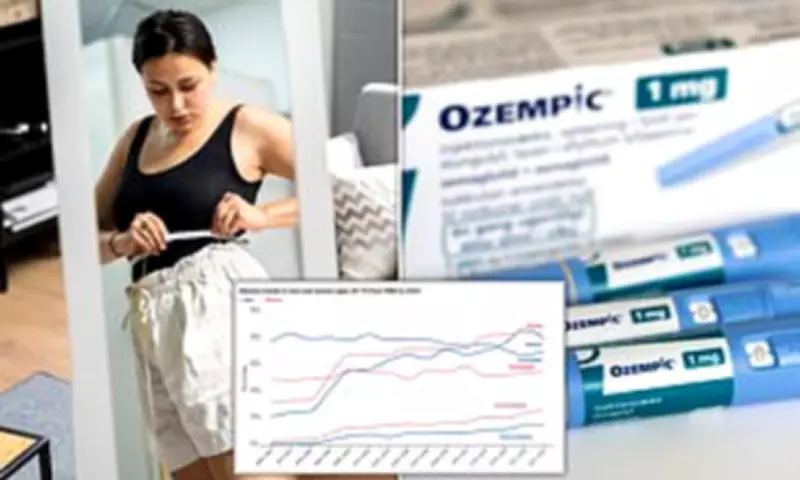
Despite the surging popularity of weight-loss medications such as Ozempic and Wegovy, the proportion of overweight and severely obese Americans continues to increase, according to new federal data. A report from the Centers for Disease Control and Prevention, published on Wednesday, examined trends in adult and childhood obesity using the National Health and Nutrition Examination Survey spanning six decades.
Alarming Adult Obesity Statistics
The most recent survey data, collected between August 2021 and August 2023, indicates that 31.7 percent of adults aged 20 and older are classified as overweight. This marks a rise from the 30.7 percent recorded in the 2017-2018 report. Meanwhile, the share of adults deemed severely obese increased from 9.2 percent to 9.7 percent. The only category showing improvement was obesity, which declined from 42 percent to 40 percent.
According to CDC definitions, individuals with a body mass index over 25 are considered overweight, while a BMI exceeding 30 qualifies as obese, and a BMI above 40 is classified as severely obese.

Gender Disparities in Weight Trends
Women experienced the most significant changes in the latest report. The rate of severely obese women climbed from 12 percent in 2017-2018 to 13.2 percent in the current data. For men, the severe obesity rate remained virtually unchanged at 7.2 percent.
The proportion of overweight women also saw a slight increase, rising from 26.9 percent to 27.6 percent, while obesity among women held steady at 42 percent. Among men, overweight rates increased from 33.7 percent to 35 percent, though obesity declined from 43 percent to 39 percent.
Record High Childhood Obesity Figures
A separate CDC report found that between 2021 and 2023, 21 percent of children and adolescents aged two through 19 were considered obese, representing the highest figure ever recorded for this age group. Additionally, 7 percent were severely obese, up from 6 percent in 2017-2018, while 15 percent were overweight, down slightly from 16 percent.
Data broken down by age reveals concerning increases across all youth categories:
- Children aged two to five: obesity rose from 13.4 percent to 14.9 percent
- Children aged six to 11: obesity increased from 20.3 percent to 22.1 percent
- Teens aged 12 to 19: obesity jumped from 21.2 percent to 22.9 percent
Expert Reactions to the Data
Dr David Ludwig, co-director of the New Balance Foundation Obesity Prevention Center at Boston Children's Hospital and professor of nutrition at Harvard School of Public Health, expressed deep concern about the findings. "This is exceptionally concerning," he told ABC News.
The results appear contradictory to recent observations from some experts who have noted declining obesity rates and linked them to increased usage of GLP-1 medications. Dr John Brownstein, an epidemiologist and chief innovation officer at Boston Children's Hospital, commented, "We're seeing, for the first time in decades, that there's like a leveling off and even maybe a slight decrease. I think this is challenging a major shift from the long-held expectation that obesity would just be climbing year after year."
The Weight-Loss Medication Paradox
The unexpected findings emerge amid a dramatic increase in the use of GLP-1 weight-loss drugs, including Ozempic, Wegovy, Mounjaro, and Zepbound. According to November 2025 data from the Kaiser Family Foundation, approximately one in eight Americans has tried a GLP-1 medication for weight loss, diabetes, or other conditions such as polycystic ovary syndrome. This represents a doubling from the roughly 6 percent reported in a February 2024 Gallup poll.
However, several factors may explain why obesity rates continue to climb despite this pharmaceutical boom. The data suggests that more people are being classified as severely obese, potentially offsetting reductions in the obese category. Additionally, many GLP-1 users discontinue treatment and regain weight, leading experts to caution that these medications do not provide a permanent solution to America's obesity epidemic.

Biological and Psychological Factors
Women typically face higher risks of becoming overweight or obese due to hormonal fluctuations. The female sex hormone estrogen influences fat distribution, and declining estrogen levels during menopause can promote abdominal weight gain. Some studies also suggest women are more psychologically prone to emotional eating, which can contribute to weight accumulation.
Treatment Options and Limitations
While GLP-1 medications liraglutide and semaglutide have received FDA approval for weight management in children aged 12 and older, none of these drugs have been deemed safe for use in children under 12. For younger children, treatment for obesity primarily relies on lifestyle modifications, including diet and exercise. In some cases, children may be eligible for bariatric surgery, though this remains less common than behavioral interventions.
Dr Brownstein noted that GLP-1 medications were not as widely available during the 2021-2023 survey period as they are today. "At that point in 2023, they weren't as widespread as they are today. So, we expect that these factors could play an even more significant role in more recent times," he explained, suggesting that future data might show greater impact from these pharmaceuticals.
The CDC reports underscore the complex and persistent nature of America's obesity crisis, revealing that despite medical advances, fundamental public health challenges remain unresolved.