Nurses across the United States are mounting a fierce defence of their profession after the Trump administration proposed a federal loan cap that excludes advanced nursing degrees from the highest borrowing limits, a move described as a "grave threat" to the future of healthcare.
'An Insult to Nurses': Fury Over Loan Cap Proposal
The controversy stems from measures within President Donald Trump's "One Big Beautiful Bill," which the Department of Education began implementing quietly. The plan caps federal loans for graduate nursing students at a maximum of $100,000 overall and $20,500 per year, while omitting nursing from a list of "professional" degrees eligible for higher limits.
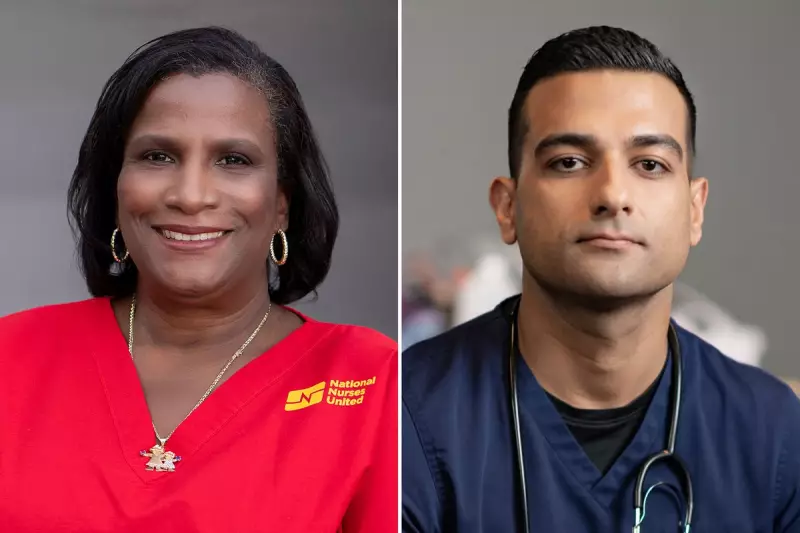
For Nancy Hagans, a registered ICU nurse with over 30 years' experience in a Brooklyn trauma centre, the proposal is a profound insult. "Nurses are the backbone... nurse practitioners, nurse anesthetists, and midwives are a lifeline," Hagans told The Independent. "Those are the people who keep you alive."

The Department of Education has claimed the "professional degree" tag is an internal definition for loan limits and "not a value judgement," but critics argue the semantics have real-world consequences. They say the caps will no longer cover the full cost of many advanced programmes, disproportionately affecting the almost half of graduate nursing students who study part-time while working.
Bipartisan Backlash and Real-World Impact on Patients
The pushback has been bipartisan. Republican Representative Jen Kiggans of Virginia, one of only two nurse practitioners in Congress, joined 139 other lawmakers in a letter urging Education Secretary Linda McMahon to reconsider. "I find it personally and professionally difficult to understand why the Department... is excluding nurses," Kiggans stated.
Nurses warn the impact will be felt acutely in patient care, particularly in vulnerable communities. Hagans, who is also president of the New York State Nurses Association, highlighted maternal health, noting Black women in New York City are about five times more likely to die in pregnancy than white women. "We need the clinics [to teach] about maternal care... and who’s going to do that?" she asked, pointing out that specialisms like midwifery require advanced degrees now under threat.
Justin Gill, an urgent-care nurse practitioner in Everett, Washington, and president of the Washington State Nurses Association, testified that the annual $20,500 cap would have been insufficient for his studies over a decade ago. "If I had to find that additional, say, $10,000 or $15,000 to be able to live and eat…it wouldn't have been a doable process for me," said Gill, whose parents were working-class immigrants.
A Call to Remember Pandemic Sacrifices
Both Gill and Hagans pointed to the public support nurses received during the COVID-19 pandemic, working under immense pressure and personal risk. They hope that goodwill translates into backing for their fight against the loan caps.
"Speak to anybody, any family member, especially at the height of the pandemic, and ask, ‘Who was there for you?’" said Hagans, who was on the picket line in New York this week alongside Mayor Zohran Mamdani, demanding safer conditions and fair wages amid rising workplace violence.
Dr Jennifer Mensik Kennedy, president of the American Nurses Association, echoed the sentiment. "We were the heroes, and then all of a sudden, [nursing graduates] are not going to qualify for additional loan amounts?" she said. "Nurses are taking that very personally."
The new loan measures are scheduled for implementation on 1 July 2026, unless campaigners succeed in changing the administration's position. Nurses argue that honouring the profession's "calling" means ensuring future generations can afford the education required to provide life-saving care.
"We're not going to allow this administration to take away our right for us to educate ourselves so we can care for patients," Hagans concluded.