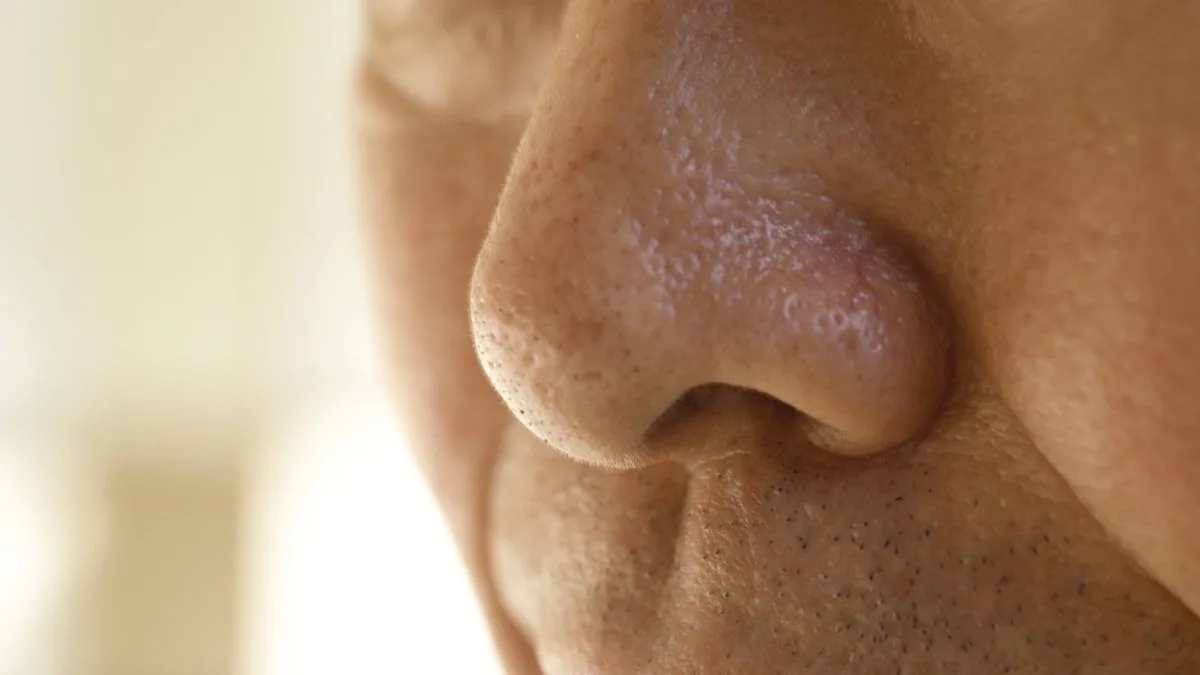
Loss of Smell Could Signal Parkinson's Disease Years Before Diagnosis
Nose Symptom May Be Early Parkinson's Warning Sign

Parkinson's disease presents through a wide array of symptoms, with more than forty distinct indicators identified. Among the approximately 153,000 individuals in the United Kingdom living with this progressive neurological disorder, the development and sequence of these symptoms can vary significantly. While the condition predominantly affects those over the age of fifty, it is noteworthy that around one percent of patients are diagnosed at a younger age.

The Primary Motor Symptoms

According to National Health Service guidance, the three most common and recognisable symptoms of Parkinson's disease primarily involve physical mobility. These core indicators are crucial for diagnosis and management.

Tremor

A tremor, which typically begins in the hand or arm, is more likely to occur when the limb is at rest and relaxed. This involuntary shaking is one of the hallmark signs of the condition.

Bradykinesia

Slowness of movement, medically termed bradykinesia, results in physical actions being considerably slower than normal. This can lead to a distinctive slow, shuffling walk characterised by small steps and can make everyday tasks challenging.

Rigidity

Muscle stiffness or tension, known as rigidity, can make movement difficult and may impair facial expressions. This symptom can also cause painful muscle cramps, a condition referred to as dystonia.

A Subtle Early Warning Sign

Beyond these primary motor symptoms, Parkinson's disease is associated with various psychological effects, including anxiety, depression, and memory difficulties. However, one of the earliest and more subtle warning signs can be a loss of smell, or anosmia.

The NHS has highlighted that this particular symptom "sometimes occurs several years before other symptoms develop", including those affecting movement. Research from Parkinson's UK suggests that as many as ninety-five percent of people living with the condition experience a loss or diminished sense of smell to some degree.

The Impact of Anosmia

Although it may be considered a "hidden" symptom, the consequences of anosmia are substantial for affected individuals. The inability to detect aromas can lead to several secondary problems that impact daily life and well-being.

The charity Parkinson's UK has elaborated on the effects, stating: "Loss of smell can affect people in different ways. We rely on our sense of smell to taste food, so reduced smell can lead to weight loss or weight gain. It can also affect your mood, relationships and overall quality of life. In addition, loss of smell can affect your safety – for example, being unable to smell food burning."

Importantly, this symptom does not respond to standard Parkinson's medication, meaning it is unlikely to improve even with treatment aimed at other aspects of the disease.

Additional Symptoms of Parkinson's

NHS guidance outlines a broader range of symptoms associated with Parkinson's disease, which can include:

  • Balance issues, which increase the risk of falls and injury.
  • Nerve pain, causing uncomfortable sensations such as burning, coldness, or numbness.
  • Overproduction of saliva, often leading to drooling.
  • Urination troubles, including nocturia (needing to urinate frequently at night) or urinary incontinence.
  • Constipation and sleeping difficulties, such as insomnia, which can result in extreme daytime drowsiness.
  • Swallowing troubles, known as dysphagia, potentially causing poor nutrition and dehydration.
  • Sexual issues, including erectile dysfunction or difficulties with arousal and climax.
  • Lightheadedness, blurry vision, or fainting upon standing, due to a rapid drop in blood pressure.
  • Excessive sweating, medically termed hyperhidrosis.

Understanding the full spectrum of symptoms, including early indicators like anosmia, is vital for timely diagnosis and comprehensive management of Parkinson's disease, aiming to support patient quality of life amidst this challenging condition.




