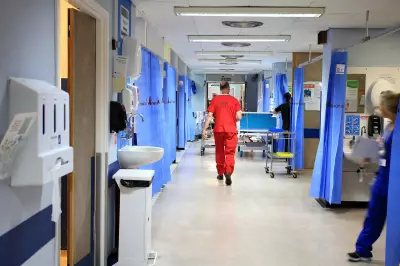
New official figures have exposed a dramatic surge in patients being treated in hospital for norovirus, with numbers rising by more than half in a single week. Health leaders are warning that intense winter pressures on the National Health Service show no sign of abating.
Sharp Rise in Contagious Bug Strains Hospitals
The latest NHS data shows an average of 640 patients were in hospital each day with norovirus last week. This marks a striking 57 per cent increase compared to the week before. By the end of the week, 830 hospital beds were occupied by patients showing symptoms of the highly contagious winter vomiting bug.
Norovirus is known for its rapid spread and can pose a serious, even life-threatening, risk to older adults, young children, and individuals with weakened immune systems. The spike in cases has contributed significantly to the current strain on health services.

Flu Fluctuations and Critical Incidents Declared
While the number of flu patients in hospital had been falling for two weeks prior, the situation remains precarious. Data for the week ending 28 December showed an average of 2,676 daily flu admissions. However, figures published on 8 January revealed a subsequent nine per cent rise, with nearly 2,940 beds occupied by flu patients in the first week of the new year.
This combined pressure from seasonal viruses, alongside cold weather injuries like slips and falls, has driven total NHS bed occupancy to just over 94 per cent. The intense strain led to five NHS trusts declaring critical incidents this week. A critical incident is the highest alert level, signifying that emergency departments may struggle to deliver critical services safely.
Professor Meghana Pandit, NHS national medical director, stated: "While it's positive that the number of flu cases in hospital is falling, this comes after a rise following the festive period - leaving bed occupancy very high at 94.1 per cent, so it's clear we are still in the thick of winter."
Public Urged to Use Services Wisely
In response to the crisis, Professor Pandit has issued clear guidance to the public. She urged people to "continue only to use 999 and A&E in life-threatening emergencies" and to utilise NHS 111 online or by phone for other conditions.
A primary concern with norovirus is the risk of dehydration, which can become dangerous quickly for vulnerable groups. Early signs include:
- A dry mouth and throat
- Dizziness and fatigue
- Sunken eyes
Dehydration disrupts the vital balance of salts in the blood, potentially leading to organ failure. Health professionals advise rest, plenty of fluids, and paracetamol for fever or aches. They also stress that antibiotics are ineffective against viral infections like norovirus.
Despite these challenges, there are pockets of resilience within the system. The NHS experienced its busiest ever year in A&E during 2025, with 27.8 million patients admitted. Yet, over 73 per cent of patients were seen within the four-hour target in December, even as ambulance callouts for the year surpassed 9.3 million.
Health and Social Care Secretary Wes Streeting acknowledged the pressures while pointing to progress: "For too long, patients were promised change in the NHS but saw little of it. This government is turning promises into change people can actually feel... Winter pressures remain high and there's far more to do. We'll keep backing NHS staff."
The virus typically spreads through close contact with an infected person, touching contaminated surfaces, or consuming food handled by someone who is ill. Vigilance and appropriate use of health services remain crucial as the NHS navigates this difficult winter period.