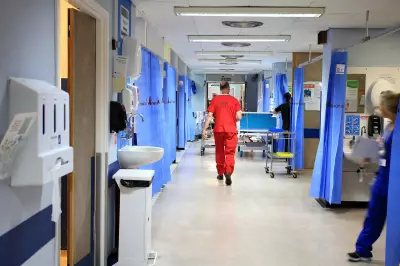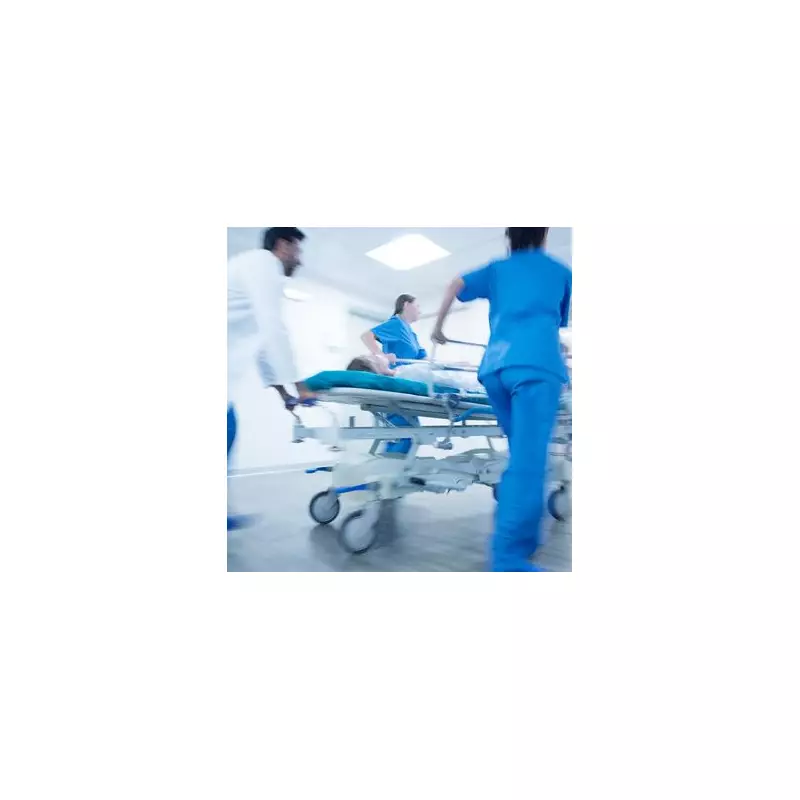
Health officials have issued a stark warning after a dramatic spike in hospital admissions linked to the highly contagious norovirus. New NHS figures show a worrying 57% increase in the number of people hospitalised with the sickness bug in England in just the last week.
A Sharp Rise in Hospital Beds Occupied
The latest data, released on 15th January 2026, indicates that an average of 567 hospital beds per day were occupied by patients suffering from norovirus during the previous week. This sharp rise has sparked concerns that the UK may be on the brink of a significant surge in cases, particularly following the return of children to school after the Christmas break.
While current numbers remain below the peak seen last winter, the speed of the increase is causing alarm. The UK Health Security Agency (UKHSA) is expected to release further community infection data later today, which will show whether this troubling trend is being mirrored outside of hospital settings.

Flu Rates Dip Slightly Amid Norovirus Worries
The worrying norovirus data comes alongside a slight easing in flu pressures. The NHS reported that flu hospitalisations saw a small drop, with an average of 2,725 patients in England last week, down from 2,924 the week before.
However, NHS England’s Medical Director, Professor Meghana Pandit, cautioned against complacency. She stated: “While it’s positive that the number of flu cases in hospital is falling, this comes after a rise following the festive period, leaving bed occupancy very high so it is clear we are still in the thick of winter.”
Key Symptoms and Vital Public Health Advice
Norovirus, often called the winter vomiting bug, causes an unpleasant but usually short-lived illness. The NHS advises that symptoms begin suddenly and can include:
- Feeling sick (nausea)
- Vomiting
- Diarrhoea
- A high temperature
- A headache
- Tummy pain and aching limbs
Public health guidance is clear: anyone experiencing these symptoms must stay away from school, work, or nursery for at least 48 hours after their symptoms have stopped. This same rule applies for visiting hospitals and care homes to protect the most vulnerable.
Public interest in the bug is soaring, with Google Trends reporting a staggering 5,500% increase in searches for “how to know if you have norovirus” over the past seven days.
How to Prevent the Spread of Norovirus
The virus spreads easily. To protect yourself and others, the NHS recommends the following crucial steps:
- Wash hands thoroughly with soap and water after using the toilet or changing nappies. Alcohol hand gels do not kill norovirus.
- Wash hands with soap and water before preparing or eating food.
- Wash any clothing or bedding soiled with vomit or diarrhoea on a hot 60C wash separately from other items.
- Disinfect surfaces like toilet seats, taps, and door handles.
- Avoid close contact with others if you are unwell.
Most people start to feel better within two to three days. The most important treatment is to drink plenty of fluids to prevent dehydration. The NHS advises calling 111 if diarrhoea lasts more than seven days or vomiting continues for over two days.