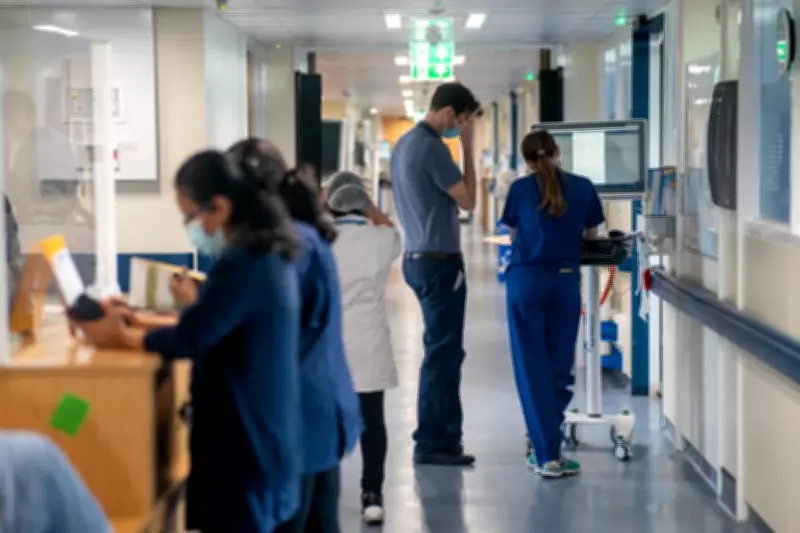
Norovirus Outbreak Reaches Decade Peak, Placing Severe Pressure on NHS Services
Hospital cases for the notorious "winter vomiting bug" have surged to their highest level in ten years, maintaining intense pressure on the National Health Service. According to the latest NHS figures, more than 900 patients on average required hospital care each day last week due to diarrhoea, vomiting, or norovirus-like symptoms.
Bed Occupancy and Service Disruption Soar
The data reveals a significant escalation in service disruption, with an average of 1,093 hospital beds either closed or occupied daily because of the outbreak. This marks a concerning increase from the previous week, which recorded approximately 950 affected beds per day. The strain extends beyond hospital wards, as NHS 111 services received nearly 4,000 more calls compared to the same period last year, highlighting the widespread impact of the virus on community health services.
Comparative Viral Pressures and Ambulance Performance
While flu rates have declined since last month's peak, they continue to contribute substantially to hospital admissions, with an average of 1,491 patients hospitalised daily. Covid-19 also remains a factor, averaging 630 hospital patients per day. In a contrasting development, ambulance services demonstrated improved efficiency last month, achieving patient handovers more than two minutes faster on average. This occurred despite January being their busiest month since before the Covid-19 pandemic, with over 420,000 handovers recorded.

Government Response and Vaccination Strategy
Health Secretary Wes Streeting emphasised the government's proactive winter planning, citing investments including £450 million for urgent care, 500 new ambulances, and extensive vaccination programmes. "We're now seeing real improvements in urgent and emergency care," Streeting stated, while acknowledging that "winter pressures haven't disappeared." From April, the RSV vaccine will be expanded to adults aged 80 and over and care home residents, aiming to protect the most vulnerable.
Medical Leadership and Ongoing Industrial Action
NHS National Medical Director Professor Meghana Pandit acknowledged the challenging situation, noting that "cases of the vomiting bug are still high in hospitals, which staff are working extremely hard to keep under control." She strongly urged eligible individuals to receive their flu, Covid, and RSV vaccinations. Concurrently, NHS resident doctors in England have voted to extend their industrial action for six more months in their ongoing dispute over pay and working conditions, following strikes that involved nearly 20,000 doctors daily in December.