The NHS is grappling with a severe winter crisis as admissions for the highly contagious norovirus have skyrocketed by 57 per cent in just one week, forcing multiple hospital trusts to declare critical incidents.
Hospitals Overwhelmed as Winter Viruses Converge
Official data released on Thursday 15 January 2026 reveals a dramatic spike in cases of the vomiting bug. An average of 567 hospital beds were occupied daily by patients with norovirus symptoms last week, a sharp rise from 361 the week before. This marks the highest level of norovirus patients seen so far this winter season.
The surge is part of a perfect storm of winter pressures, with the NHS simultaneously battling flu and other seasonal viruses. This combination has led to extreme strain on Accident and Emergency departments, resulting in cancelled operations and the declaration of the highest alert level – a critical incident – by trusts in regions including Kent, Sussex, and the Midlands.

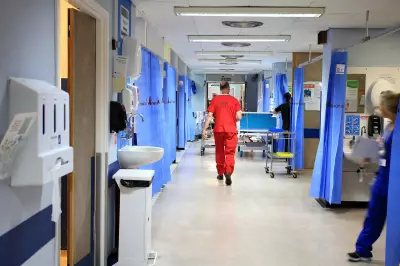
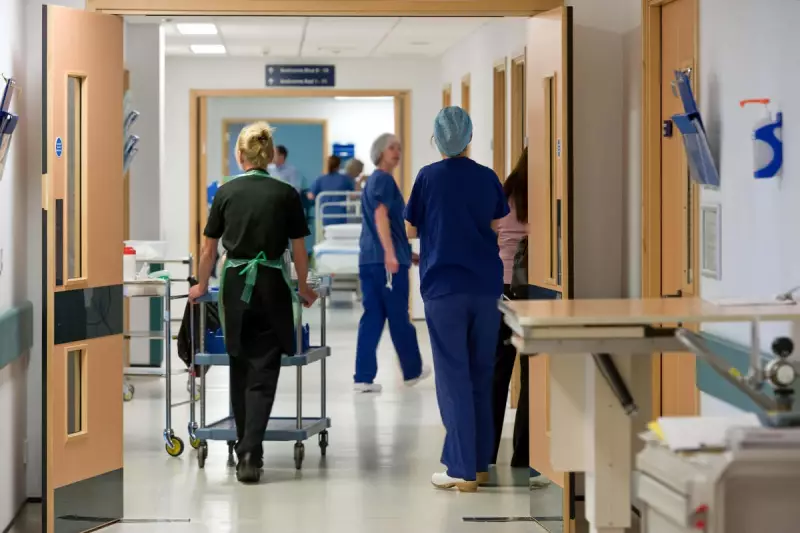
"Patients Waiting for Days in Corridors"
Frontline doctors have painted a grim picture of conditions inside hospitals, describing a "dreadful" week for the health service. Dr Vicky Price, president of the Society for Acute Medicine, warned that patients are being left to languish in waiting rooms and corridors for extended periods, with some waiting up to two days for a bed.
"The thing that’s so hard is seeing patients waiting for days in a waiting room and on corridors. That has certainly rocketed," Dr Price told The Independent. She criticised a system that has become "target-driven, not patient-driven," leading to unacceptable delays for those who have already waited over 12 hours.
Nottingham University Hospitals NHS Foundation Trust, which declared a critical incident on Tuesday, stated it had experienced its busiest day of the year on 7 January, with 550 patients attending A&E. The trust admitted patients were facing "unacceptable and lengthy waits on corridors" while staff worked under "extreme pressure."
A&E Performance Deteriorates Amid Unprecedented Demand
Monthly performance statistics for A&E departments, also published on Thursday, underscore the scale of the challenge. In December, 151,724 patients (10.5%) waited more than 12 hours to be seen, treated, or admitted after arriving at A&E. While this is the highest percentage recorded this winter, it remains lower than the peaks seen in the winters of 2023 and 2024.
The number of people waiting at least four hours from a decision to admit them to actual admission also increased, reaching 137,763 in December, up from 133,799 in November. Overall, only 73.8% of patients in England were seen within the four-hour target in December, a slight decline from 74.2% in November.
The government and NHS England have set a target of March 2026 for 78% of A&E patients to be admitted, discharged, or transferred within four hours.
A Glimmer of Hope on Flu Front
Amid the concerning rise in norovirus, there is a slight respite regarding flu. The number of people in hospital with flu in England has seen a 7 per cent decrease. An average of 2,725 flu patients were in hospital each day in the week ending 11 January, down from 2,924 the previous week. This figure is notably lower than the peak of 5,408 patients seen during the last winter.
However, the relief offered by falling flu numbers is vastly overshadowed by the rampant spread of norovirus and the systemic pressures it has exposed, leaving the NHS in a precarious position as the winter deepens.