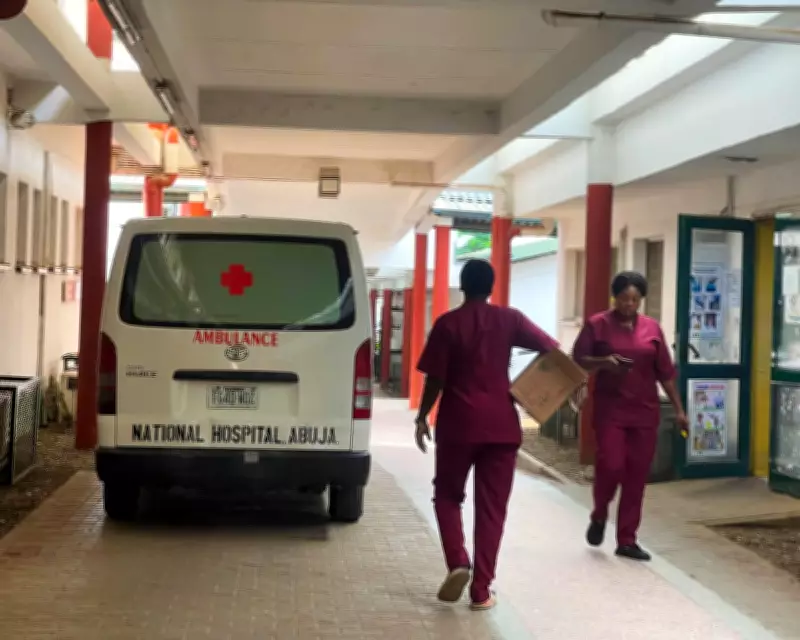
Nigeria's Healthcare System in Crisis: A Lethal Lottery of Survival
The recent death of singer Ifunanya Nwangene from a snakebite in an Abuja hospital has sent shockwaves through Nigeria, exposing a healthcare system in profound collapse. This tragedy is not an isolated incident but part of a devastating pattern that includes the death of novelist Chimamanda Ngozi Adichie's son in a private Lagos hospital and boxer Anthony Joshua's car crash without emergency services. These events collectively map a system where survival is determined by geography, wealth, and sheer chance.
A Diagnostic Map of Systemic Failure
These three high-profile cases reveal interconnected failures in Nigeria's health infrastructure. The snakebite incident at the National Hospital in Abuja demonstrates catastrophic supply chain breakdowns, with life-saving antivenom unavailable even in the capital. The private hospital tragedy highlights a human resource crisis exacerbated by the "Japa" syndrome brain drain, leaving remaining staff overworked and prone to fatal errors. Joshua's accident exposes the nonexistent emergency response network, where ambulances and paramedics are largely absent.
According to the 2025 SBM Intelligence Health Preparedness Index, Nigeria's health system is rated as "dangerously unprepared" nationally, with no state achieving even 30% readiness for health crises. This data-driven assessment confirms that these tragedies are not accidents but predictable outcomes of systemic collapse.

The Geographical Lottery of Healthcare Access
The failure is not experienced equally across Nigeria. There exists a brutal geographical lottery where rural communities face the highest risks with the least access to care. Snakebites predominantly affect farmers and rural populations, yet healthcare infrastructure is inversely distributed. Data suggests only about 8.5% of snakebite victims reach hospitals, with traditional first aid often being the first response.
In rural areas like the Benue Valley, studies estimate an annual incidence of 497 bites per 100,000 people with a mortality rate of 12.2%. The shocking element of Nwangene's death was its occurrence in Abuja, where the system is supposed to function. In rural Nigeria, such deaths represent a silent epidemic of neglect.
Traditional Remedies as Rational Response to State Failure
Following the Abuja tragedy, social media saw a wave of nostalgia for traditional remedies like chewing cashew tree bark or using specific herbs. This is not mere romanticism but a pragmatic response to systemic failure. Research shows that in similar African contexts, most snakebite victims turn to traditional medicine first, with average access times of 15 minutes compared to over seven hours for formal healthcare facilities.
When the state fails to provide accessible, affordable, or trustworthy care, people logically turn to culturally aligned alternatives, even if unproven or potentially harmful. This represents not an endorsement of traditional knowledge but an indictment of a system so dysfunctional that it cedes its life-saving role to unregulated alternatives.
Political Response and Public Exhaustion
The political reaction to these tragedies has been telling. Following international embarrassment from Joshua's crash and public outcry over Adichie's loss, the government announced a ministerial taskforce on patient safety. This admission of "systemic challenges" is viewed with deep public scepticism as yet another committee treating symptoms while the disease rages unchecked.
Nigerians are exhausted by shortages, costs, and the relentless need to be their own risk managers, emergency services, and medical advocates. The system has abdicated its basic social contract, creating different realities for different classes: extreme due diligence and medical tourism for the wealthy, precarious existence for the middle class, and suffering from treatable conditions for the rural poor.

Rebuilding from the Foundations
The fundamental truth revealed by these tragedies is that Nigeria's health system is not merely under-resourced but fundamentally unreliable. Until rebuilt with equity and reliability as core principles, every Nigerian remains at the mercy of a lethal lottery. The exhaustion will persist as the rational response to a state that has failed to guarantee the most basic human dignity: the preservation of life itself.
The interconnected nature of these failures demands comprehensive reform addressing broken supply chains, professional brain drain, infrastructural decay, and foundational inequity between urban and rural areas. Without such fundamental rebuilding, Nigeria's healthcare crisis will continue to claim lives through predictable, preventable tragedies.