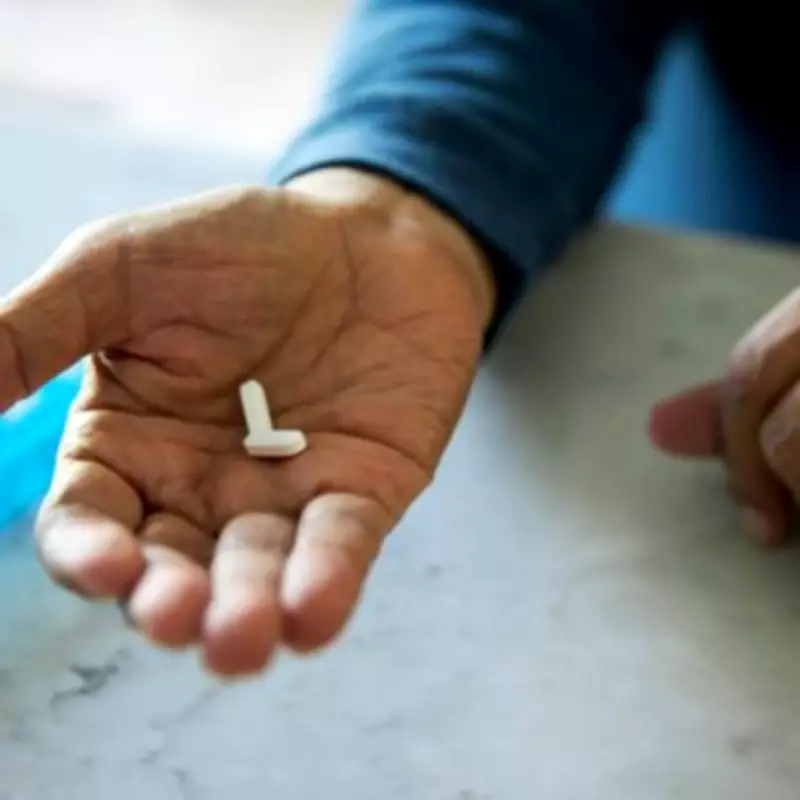
NHS Vitamin D Warning: Potential Kidney and Heart Damage from Excessive Supplementation
The National Health Service has issued a critical warning regarding vitamin D supplementation, highlighting that excessive consumption over prolonged periods can trigger a potentially fatal condition known as hypercalcaemia. This condition involves dangerous calcium accumulation in the body, which can severely weaken bones and cause significant damage to both kidneys and the heart.
Official NHS Recommendations and Seasonal Guidelines
UK health authorities strongly advise taking vitamin D supplements during the autumn and winter months, specifically from October through March, when sunlight exposure is insufficient for natural vitamin D production. The NHS states that a daily 10-microgram supplement is optimal for maintaining healthy bones and muscles during this period. These supplements are widely accessible and remarkably affordable, with 400-tablet packages available online for under £8, equating to less than 2p per day.
The Dangers of Vitamin D Overdose and Hypercalcaemia
Despite the clear benefits, pharmacists and the NHS emphasise the critical importance of adhering to dosage limits. Consuming excessive amounts of vitamin D over lengthy timeframes can lead to hypercalcaemia, where excessive calcium builds up in the body. This condition not only weakens bones but also poses serious risks to kidney function and cardiovascular health. The NHS explicitly warns that adults, including pregnant and breastfeeding women and the elderly, should not exceed 100 micrograms (4,000 IU) daily. Children aged 11 to 17 must follow the same limit, while those aged 1 to 10 should not consume more than 50 micrograms (2,000 IU) per day. Infants under 12 months have a stricter cap of 25 micrograms (1,000 IU) daily.

High-Risk Groups and Year-Round Supplementation
Certain populations are at elevated risk of vitamin D deficiency and require special attention. The NHS recommends that all children aged 1 to 4 and all babies, unless they consume more than 500ml of infant formula daily, should take a daily supplement throughout the entire year. Individuals with specific medical conditions may need personalised dosage advice and should consult their doctor to ensure safe supplementation levels. The NHS stresses that if a healthcare professional recommends a different amount, patients should strictly follow that guidance.
Vitamin D's Role in Health and Associated Benefits
Vitamin D plays a crucial role in regulating calcium and phosphate levels within the body, essential nutrients for maintaining healthy bones, teeth, and muscles. Deficiency can lead to serious conditions such as rickets in children and osteomalacia in adults, both causing bone deformities and pain. Research has also linked adequate vitamin D levels to reduced risks of dementia. A French study found that individuals with vitamin D levels below 50 nmol/L were almost three times more likely to develop Alzheimer's disease. The late health expert Dr Michael Mosley advocated for vitamin D supplementation, noting that doses around 25 micrograms (1,000 IU) could help ward off infections, cancers, and potentially dementia, while remaining within safe NHS limits.
Important Safety Notes and Sunlight Exposure
The NHS clarifies that it is impossible to overdose on vitamin D through sunlight exposure alone. However, they remind the public to protect their skin during extended sun exposure to minimise risks of skin damage and skin cancer. Government advice encourages everyone to consider daily vitamin D supplements during autumn and winter, with high-risk groups maintaining supplementation year-round. Always consult a doctor if uncertain about appropriate dosage, especially for those with underlying health conditions.