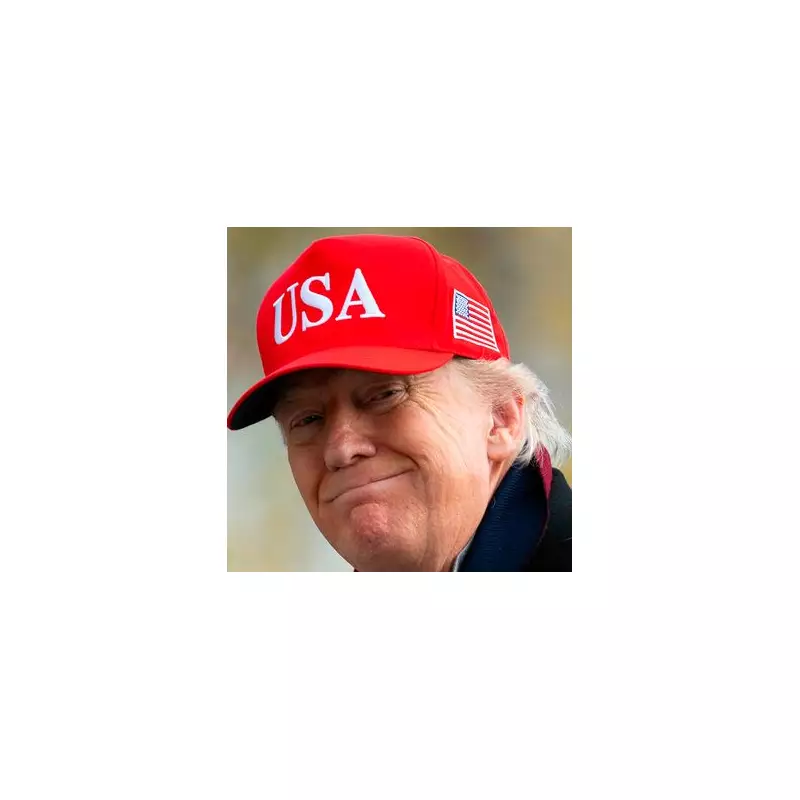
A major agreement to increase the amount the National Health Service pays for medicines, struck largely to avoid punitive tariffs threatened by former US President Donald Trump, could result in over 15,000 additional deaths in Britain each year, a leading health economist has exclusively revealed.
The Cost of Concession: Billions for Drugs, Fewer Resources for Care
Modelling from the Centre for Health Economics at the University of York indicates that diverting an estimated £3 billion more annually to pharmaceutical companies will have lethal consequences. The funds, which would otherwise be spent on frontline NHS staff, hospital beds, and equipment, represent a catastrophic misallocation of finite health resources.
Professor Karl Claxton, a leading expert at the centre, stated the concession to US pressure will devastate NHS patients, social care, and local economic growth. He emphasised that the harm "will far exceed the value of any impact on the UK pharmaceutical sector due to tariffs that might be imposed."

Modelling a Human Toll: Thousands of Lives at Stake
The research, drawing on over a decade of published evidence, presents a stark numerical forecast of the deal's impact.
- If the NHS absorbs the £3bn annual cost, it could lead to 15,971 additional deaths and the loss of 352,000 years of life in good health (Quality-Adjusted Life Years or QALYs) each year.
- If the Treasury funds the increase, that money could have been spent directly on the NHS, potentially reducing mortality by 14,911 deaths and improving health by 332,000 QALYs.
- Adult social care costs would rise by at least £66 million annually, impacting users and unpaid carers, with a further loss of 24,000 QALYs if local authorities cannot cover it.
- Local economic growth would be hit, reducing GDP by between £18 billion and £26 billion.
Professor Claxton warned the greatest reduction in survival would be for patients with cancer, circulatory, respiratory, and gastro-intestinal diseases.
The Deal: Tariff Threats and Higher Price Caps
The agreement, confirmed on 2 December 2025, follows threats from Donald Trump to impose huge tariffs on drug imports from UK firms unless the NHS paid higher prices. Several pharmaceutical giants also threatened to withdraw investment from Britain.
In response, the Government has agreed to increase the upper cost-effectiveness threshold used by the National Institute for Health and Care Excellence (NICE) by 25%. This makes expensive new drugs more likely to be deemed "value for money." Additionally, the repayment rate on NHS branded medicine spending will be lowered from 22.9% to 15% from 2026.
Business and Trade Secretary Peter Kyle said the deal "guarantees UK pharmaceutical exports worth at least £5 billion a year will enter the US tariff-free" for three years. Supporters argue it will secure investment and speed up access to cutting-edge treatments like breakthrough cancer drugs.
However, critics highlight that the NHS's collective bargaining power has historically secured far cheaper drug prices than the US private market. Professor Claxton concluded, "The findings of this research simply reflect the fact that much of what the NHS does is extremely good value for money." The deal now places that value—and thousands of lives—in the balance.