The National Health Service will not receive any additional Treasury money to cover a projected £1 billion annual increase in drug costs stemming from a newly agreed trade deal with the United States. Downing Street has confirmed the substantial extra expense but stated the Department of Health and Social Care must absorb it from its existing budget.
Deal Details and Financial Impact
Announced on Monday, the agreement is designed to appease the Trump administration and avoid US tariffs on UK pharmaceutical exports. A central component involves the Government agreeing to raise the upper cost threshold for new medicines by 25 per cent. This change means the National Institute for Health and Care Excellence (Nice) could approve more expensive, cutting-edge treatments—such as breakthrough cancer drugs—that were previously deemed not cost-effective.
The Prime Minister's official spokesman clarified the funding position, stating: 'The deal will be funded by allocations made at the spending review. Frontline services will remain protected through the record funding secured.' He admitted the total costs over the spending review period are expected to be around £1 billion, though the final figure depends on which drugs Nice approves.

Political Reaction and Industry Warnings
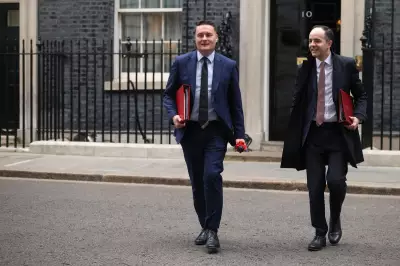
The revelation has sparked immediate concern and confusion. Health Secretary Wes Streeting told the Commons unequivocally that NHS budgets would not be cut to fund the deal. However, this assurance appeared to conflict with Number 10's briefing that the money must be found from within the Department of Health's existing settlement, potentially impacting backroom functions or other departmental work.
Liberal Democrat health spokesperson Helen MP Morgan demanded clarity, stating: 'It's not clear whether frontline NHS services will be raided... because number 10's briefing suggests it will come from the NHS budget yet we've just heard from the Secretary of State... that it won’t.'
The deal was pursued after stark warnings from US pharmaceutical firms and Ambassador Warren Stephens that future investments in the UK were at risk without changes. The Trump administration has long criticised European nations for 'freeloading' on American drug innovation. Recent investment pauses by companies like Merck and AstraZeneca were linked to this dispute.
Broader Consequences for the Health Service
Health leaders have expressed deep anxiety over the unfunded pressure. Dr Layla McCay, director of policy at the NHS Confederation, warned: 'Health leaders recognise the many benefits of the deal but... they will be wondering what other unfunded cost pressures the health system may be expected to absorb.' She highlighted that this new burden comes on top of a £300 million cost from recent junior doctors' strikes, with more industrial action planned before Christmas.
In exchange for higher NHS drug payments, the US has agreed to maintain a 0 per cent tariff rate on medicines imported from the UK for three years. The deal also includes a provision to lower NHS drug spending repayment rates from drug firms to 15 per cent from 2026.
The government maintains the pact will boost UK investment and accelerate patient access to innovative treatments. However, the central question of how the NHS will manage this significant new annual financial commitment without affecting patient care remains unanswered, setting the stage for a major funding challenge in the years ahead.