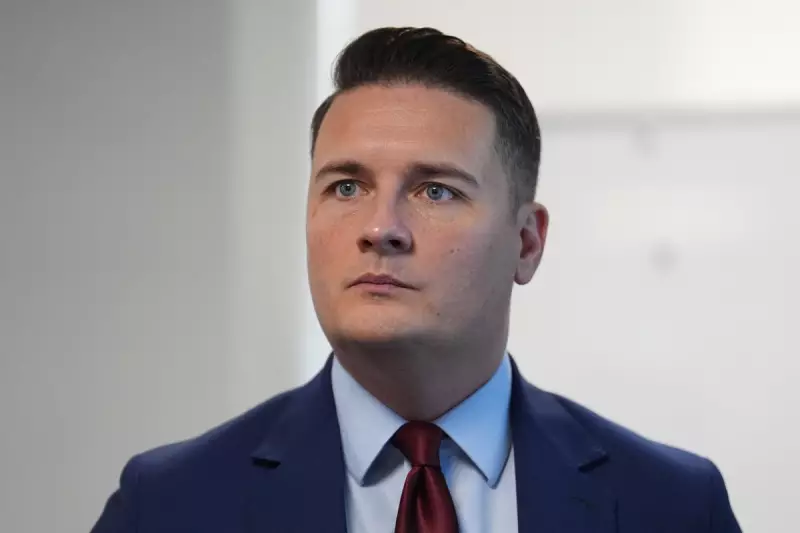
As the fourteenth round of industrial action by doctors concludes with a Christmas truce, Health Secretary Wes Streeting confronts the enduring challenge of resolving the NHS pay dispute. The strikes continue to sap confidence in the health service and in Labour's capacity to reform it, despite some tangible progress.
A Year of Mixed Progress for the NHS
Wes Streeting can point to concrete achievements since Labour took office. He has overseen a reduction in NHS waiting lists and the delivery of 5 million extra appointments, figures which have not been seriously challenged. Additional funding has been secured, directly benefiting voters who elected Labour to "fix the NHS".
Politically, Mr Streeting ends 2025 having avoided scandal and improved his reputation, even deftly handling an attack from within the Prime Minister's team. He remains a superior communicator to Sir Keir Starmer. However, polling indicates public satisfaction with the NHS has not yet appreciably improved, though its ranking among public concerns has fallen, suggesting some faith in Mr Streeting's mission.

The BMA's Hardline Stance
The British Medical Association (BMA) emerges from the year in a strong position. Its leadership, acting more like a traditional trade union than a professional body, has secured a 28.9 per cent pay increase for its members since the election. This was effectively granted by Chancellor Rachel Reeves to halt hospital disruption.
Yet, the dispute persists. The resident doctors—formerly known as junior doctors—now demand pay restoration to 2008 levels, requiring a further 26 per cent rise. They have shown willingness to accept concessions on career progression while continuing to press for more money, leaving Mr Streeting in a predicament similar to his Conservative predecessors.
Political Pressure and Public Finances
The political stakes are uniquely high for Labour. Unlike the Conservatives, Labour is "the party of the NHS," and voters expect it to be the top priority. Mr Streeting now finds himself criticising the BMA's "grinchy actions" and condemning "irresponsible" behaviour aimed at "wrecking Christmas"—a stark contrast to his previous advice to Tory ministers to simply "get round the table."
His scope for a more generous pay offer is tightly constrained by the state of the public finances, which remain vulnerable to economic shocks. With the economy struggling and the government's ratings at record lows, the NHS dispute represents a critical test.
The Road Ahead in 2026
Can Wes Streeting end the strikes? Prospects may improve next year. Public sentiment could shift away from the doctors, and support for further action within the profession may erode. Mr Streeting is widely seen as winning the arguments.
Ultimately, he must demonstrate he can "do" as well as talk. Successfully resolving the NHS pay dispute is central not only to fixing the health service but also to proving the difference a Labour government can make—and to any future leadership ambitions Mr Streeting may harbour. The work to fix the NHS, as the holiday truce begins, is far from over.