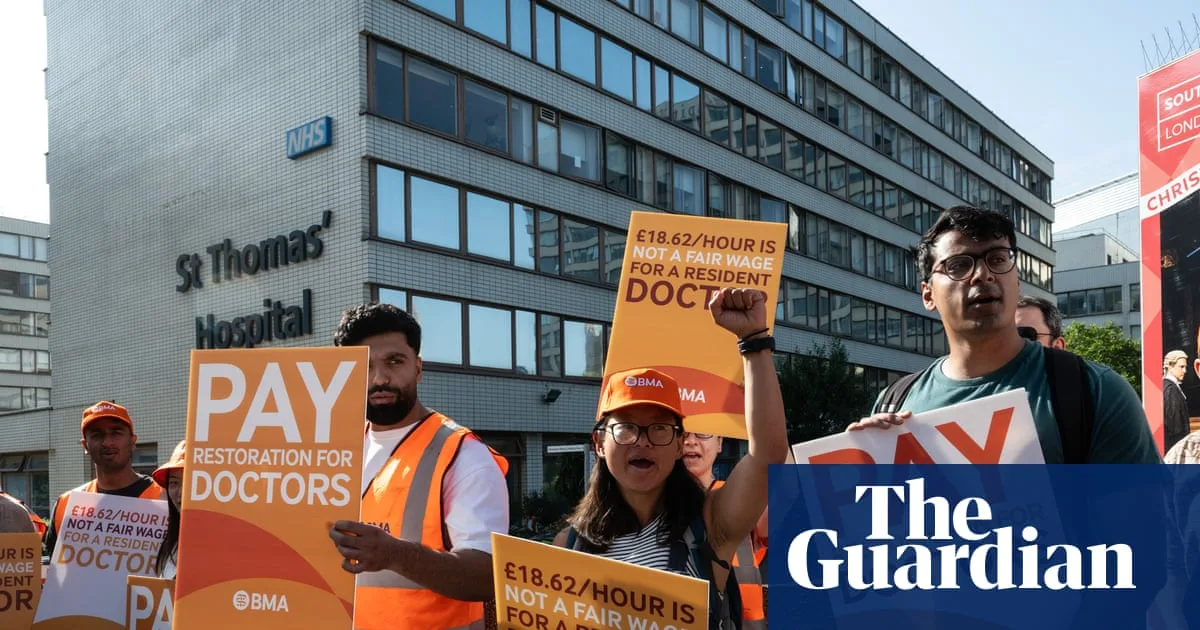
Health Secretary Wes Streeting has accused resident doctors of “torpedoing” their own pay rises and training opportunities by going on strike, as tens of thousands began a six-day stoppage in England. The industrial action, the longest yet by resident doctors, started at 7am on Tuesday after talks to end the long-running dispute collapsed.
Streeting said the British Medical Association (BMA) had rejected a “serious offer” from the government that included an average pay rise of 4.9% this year, a boost of at least 6.2% for the lowest-paid doctors, and an overall increase of 35.2% compared with four years ago. The deal also proposed up to 4,500 additional specialty training posts over three years, with 1,000 due this April, and reimbursement of mandatory exam fees.
“Instead of accepting this offer, the BMA rejected it outright and announced immediate strike action. Not only does this torpedo the pay rises and training posts available to resident doctors, but it also puts at risk the recovery of the NHS,” Streeting told the Guardian. The BMA has been seeking a 26% pay rise over several years and accused the government of shifting the goalposts in negotiations.
The strike is the 15th since March 2023 and the 60th day of industrial action by resident doctors in three years. NHS officials estimate the cost to the health service at around £300m for this strike alone, with total costs since 2023 exceeding £3bn. The stoppage is expected to lead to cancelled appointments and longer waits for patients.
BMA resident doctors committee chair Dr Jack Fletcher blamed the government for the breakdown, saying a deal was “taking shape” before the government “watered it down” at the last minute. “These strikes were entirely avoidable. We offered the government several opportunities to undo their last-minute goalpost shift and they refused,” he said.