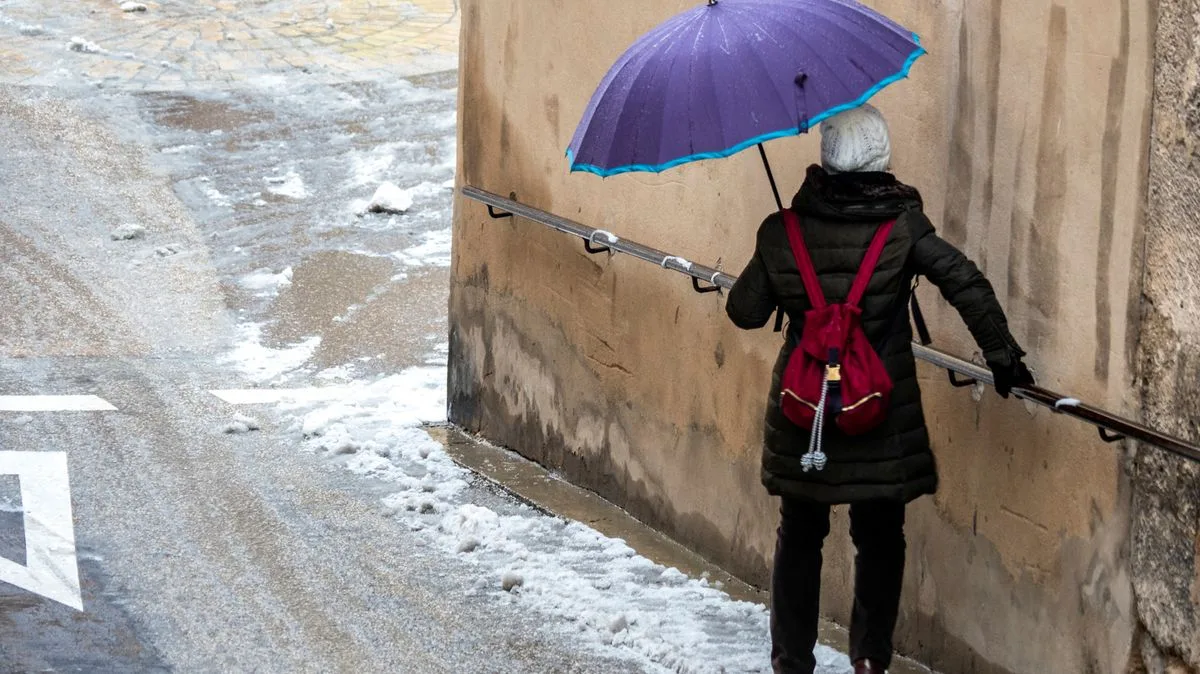
NHS Urges Brits to 'Waddle Like a Penguin' to Prevent Icy Falls
NHS 'penguin walk' advice to avoid slips on ice

As a deep freeze grips the nation, the NHS is reviving a crucial piece of advice to help the public navigate treacherous icy conditions safely: walk like a penguin.

Hundreds of areas across England, Scotland, Wales, and Northern Ireland are bracing for further disruption as the Met Office has issued a string of snow and ice warnings. The cold snap, which took hold at the start of January, is expected to bring dangerous travel conditions and turn pavements into major hazards for pedestrians.

The 'Silly' But Effective Penguin Technique

In response to the heightened risk, NHS staff from NHS Greater Glasgow and Clyde (NHSGGC) are urging people to mimic the waddle of a penguin when walking on ice. The technique involves pointing your feet slightly outward, taking short, flat-footed steps, keeping your centre of gravity over your front leg, and extending your arms out to the sides for balance.

Laura Halcrow, the falls prevention lead for NHSGGC, emphasised that while it might look amusing, "waddling really works." She warned that a simple slip on ice can lead to painful injuries and even hospital admission, particularly for older individuals.

"We’re asking everyone to share this advice with friends and family, particularly those who may be less steady on their feet," Halcrow stated. "Take two minutes to find a waddle buddy, have a laugh, and stay safe together."

What to Do If You Take a Tumble

If a fall does occur during the cold snap, the NHS provides clear guidance on the immediate steps to take. The key is not to rush to get up. Instead, take a moment to stay calm and assess the situation.

First, check yourself for any injuries. If you can stand, move carefully to a safer, less slippery area, using railings or walls for support. It is crucial to check gently for sharp pain, numbness, tingling, or dizziness, especially if your head hit the ground. Intense or persistent pain should never be ignored, and medical attention must be sought, as some injuries are not immediately obvious.

Seeking the Right Medical Help

Dr Claire Harrow, deputy medical director for acute services, advised the public on where to turn for help following a fall. "A&E is for urgent emergencies. If you suffer a fall, most cases don’t need emergency care," she explained.

She recommended using trusted sources like the NHS Inform website or the NHS 24 app for initial self-care advice. For those unsure or in need of healthcare, calling NHS 24 on 111 is the best course of action. The service can direct callers to the most appropriate care, such as a Minor Injuries Unit, which is often the optimal place for assessment and treatment of non-life-threatening injuries.

With the wintry weather set to continue, adopting the penguin walk and knowing how to respond to a fall could be vital in keeping the public safe and reducing pressure on emergency services.




