NHS to Revolutionise Cancer Detection with New 10-Year Plan
The Government has unveiled an ambitious new national cancer strategy for England that promises to transform diagnosis and treatment over the coming decade. Central to this vision is the integration of multi-cancer early detection tests into routine NHS screening programmes.
Breakthrough Screening Technologies
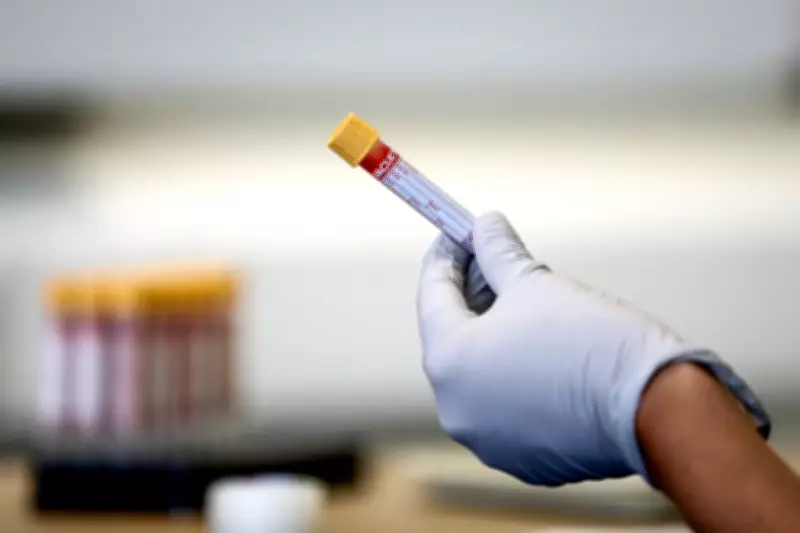
Health officials have outlined how blood, urine, saliva and breath tests – capable of identifying signals for more than fifty different cancers before symptoms emerge – could become standard practice within the next ten years. These innovative approaches, often described as liquid biopsies, analyse biomarkers to detect malignancies at their earliest, most treatable stages.
The plan explicitly states: "The ability to screen or test for multiple cancers at once, often pre-emptively – moving away from the NHS’ reactive and episodic default care model – will be a particularly transformative breakthrough." This represents a fundamental shift from the current system, where diagnosis typically occurs only after patients report symptoms.

Ongoing Trials and Future Implementation
The NHS is already conducting a major clinical trial called Galleri, which is evaluating the effectiveness of a multi-cancer early detection blood test in asymptomatic individuals. The Government's ambition is clear: subject to approval from the UK National Screening Committee and robust evidence regarding efficacy, safety and value, these tests should become part of national screening programmes during the lifespan of this ten-year plan.
Personalised Treatments and Cancer Vaccines
Beyond early detection, the strategy commits to developing the next generation of personalised cancer treatments. A significant focus is placed on pioneering cancer vaccines designed to prevent recurrence of the disease. The plan sets a target of delivering up to 10,000 such vaccines by 2030, with the ambition of making these therapies more widely available by 2035.
Progress is already being made through initiatives like the Vaccine Innovation Pathway and the Cancer Vaccine Launch Pad, signalling a new era in oncology.
Leadership with Personal Experience
Health Secretary Wes Streeting, who launched the plan during a visit to the Royal Free London hospital where he was treated for kidney cancer, brings personal insight to the policy. He revealed that over half of the ministerial team at the Department of Health and Social Care are cancer patients, including himself, Karin Smyth, and Ashley Dalton.
Mr Streeting shared his own diagnosis experience: "I still remember being sat in my car on a cold, overcast day, with the snow about to fall, when my urologist called to say that I had kidney cancer and my world turned upside down." This personal connection underscores the plan's patient-first philosophy.
Ambitious Targets and Systemic Improvements
The strategy sets bold objectives, including increasing the proportion of patients diagnosed from 2035 who are cancer-free or living well after five years from the current 60% to 75%. It also pledges that the NHS will meet all its cancer waiting-time targets by 2029.
Other key measures include:
- Accelerating the uptake of GLP-1 obesity medicines like Mounjaro, recognising the established link between obesity and cancer.
- Transforming the NHS app into the primary gateway for cancer care by 2028, allowing patients to manage screening, appointments and treatment plans.
- Expanding diagnostic capacity with more MRI scanners featuring AI acceleration technology, enabling an additional 154,000 scans by March 2029.
- Rolling out national breast pain and post-menopausal bleeding clinics by the end of 2026.
- Improving workflow by assessing patients immediately before tests and providing follow-up appointments without delay.
Industry and Expert Response
Michelle Mitchell, chief executive of Cancer Research UK, welcomed the publication as "an important milestone for cancer patients and their loved ones," particularly after almost a decade without a dedicated cancer strategy. She praised commitments to earlier diagnosis, meeting waiting-time targets, and accelerating clinical trials.

However, Mitchell emphasised that delivery depends on adequate funding and clear leadership. "Funding must match the ambition of what’s been promised or the NHS will struggle to expand its diagnostic capacity or introduce innovations at scale," she cautioned.
The comprehensive plan represents a significant step forward in the fight against cancer, combining cutting-edge technology with systemic reforms to put patients at the heart of care. Its success will hinge on sustained investment, robust implementation, and the ongoing evaluation of emerging screening technologies.