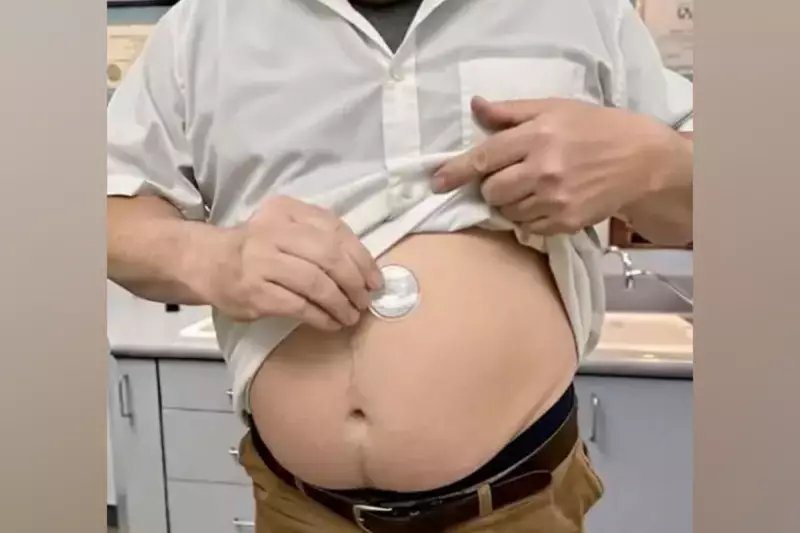
A major London NHS trust has issued an urgent public alert after a series of AI-generated videos, falsely depicting its doctors, began circulating online.
Fraudulent Endorsements for Commercial Products
Guy's and St Thomas' NHS Foundation Trust confirmed on Thursday 15 January 2026 that it is actively working to remove "fraudulent" videos from social media platforms. The digitally fabricated clips show individuals who appear to be clinicians applying and promoting specific weight loss patches outside a hospital setting.
The trust stated unequivocally that the people in the videos are not members of its staff and that the endorsements are entirely fabricated. "The videos falsely claim a number of our clinicians are using and endorsing these products," a spokesperson said. This type of scam exploits public trust in the NHS brand to sell unregulated commercial items.

Official NHS Advice: Seek Trusted Sources
Dr Daghni Rajasingam, the trust's deputy chief medical officer, was clear in her guidance to the public. "NHS clinicians would never endorse commercial products in this way," she emphasised. She strongly advised anyone seeking health advice or information about treatments to rely solely on official and trusted NHS sources, such as the NHS website or their own GP.
This incident highlights a dangerous new frontier in online health misinformation, where artificial intelligence is used to create highly convincing but entirely false medical endorsements.
Part of a Wider Problem with Online Weight Loss Products
The warning from Guy's and St Thomas' coincides with broader concerns about the promotion of unregulated health and weight loss products on social media. A recent survey revealed a troubling statistic: one in ten Britons would consider purchasing such items from social media platforms or unregistered sellers, despite the significant risks to their health and safety.
These AI-generated videos represent a sophisticated escalation of this problem, making fraudulent claims appear more legitimate by using the fabricated likeness of healthcare professionals.
The trust continues to pursue the removal of the content and urges the public to report any similar suspicious videos they encounter. This case serves as a critical reminder of the importance of digital literacy and scepticism when encountering health advice and product promotions online.