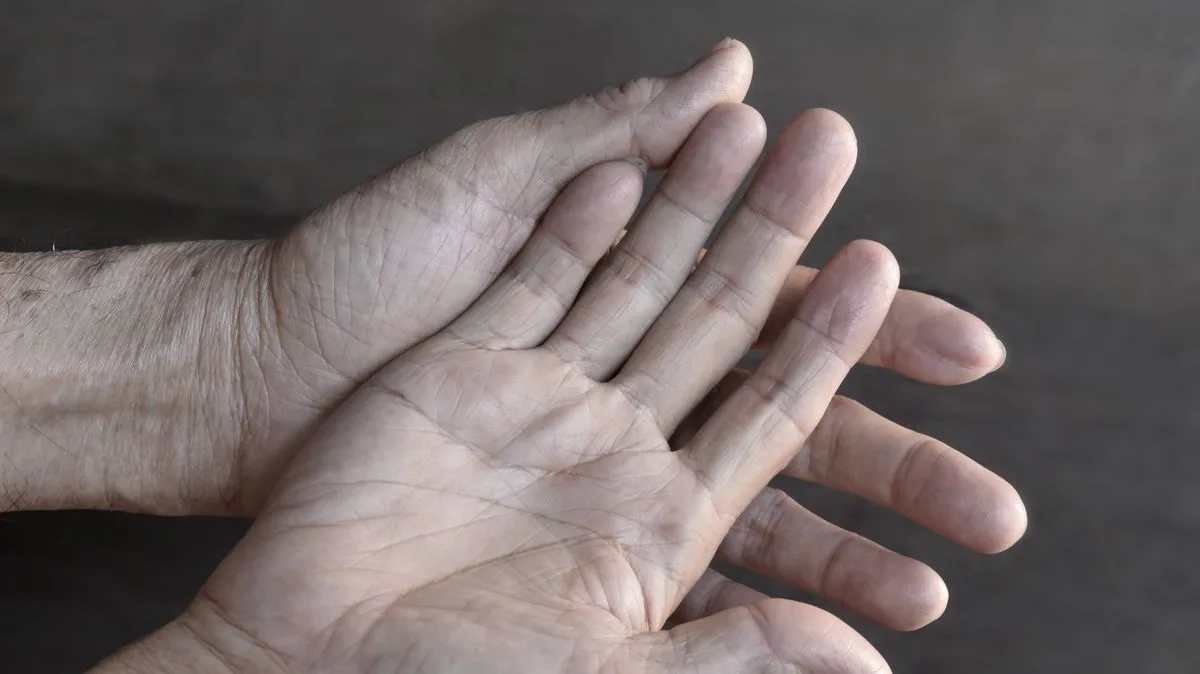
With Britain experiencing a very cold start to the day, many sufferers of Raynaud's disease may find their symptoms becoming more apparent. An estimated one in six people in the UK are affected by the condition, which prevents blood from flowing properly to the fingers and toes.
According to the NHS, Raynaud's is most likely to flare up when a person is feeling stressed, anxious or cold. Symptoms include the skin turning white or blue, and the condition can cause numb, painful fingers, especially in colder temperatures. While it can be frustrating, the NHS says it usually does not cause severe problems and can be easily treated by keeping warm.
Charity Scleroderma & Raynaud's UK notes that Raynaud's is more common in women and often develops before the age of 30. The charity explains that when someone has Raynaud's, the narrowing of blood vessels is more extreme, leading to skin colour changes from white to blue to red. Attacks can be very painful, especially as circulation returns.
Most people have primary Raynaud's, meaning there are no other complications. Secondary Raynaud's, which is rarer, is caused by another autoimmune condition and may lead to more serious issues such as finger ulcers. The charity says Raynaud's is often the first sign people notice of an underlying condition.
If symptoms are severe or worsening, a GP may prescribe medication to improve circulation. The NHS advises seeing a doctor if Raynaud's affects daily life, or if accompanied by joint pain, skin rashes or muscle weakness.