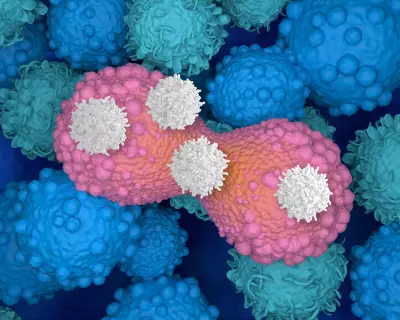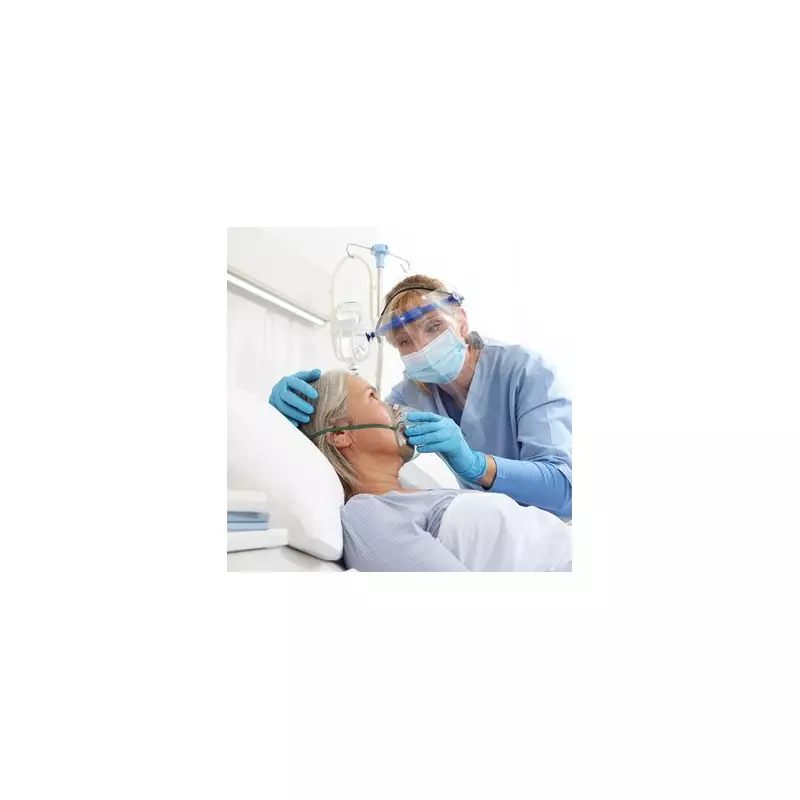
Britain's top infectious disease experts have issued a stark warning that the NHS currently has no treatments proven to work against severe influenza, as a potent new strain drives record hospitalisations for the time of year.
RECOVERY Trial Expands to Tackle Flu Crisis
The alarming alert was delivered by Professor Sir Peter Horby, a pandemic legend knighted for his work during Covid-19. Speaking at a media briefing in central London, Sir Peter, who co-led the world's largest Covid-19 trial, revealed his RECOVERY trial is now being expanded to urgently find which drugs can save lives for patients hospitalised with flu.
"We've got 2,500 people in hospital as of today, at least, and we don't have any treatments that are proven to be effective in patients with severe influenza," stated Sir Peter, a professor of emerging infections at Oxford University. He highlighted the paradox that more proven treatments exist for Covid-19, a five-year-old disease, than for flu, which has been around for 90 years, blaming a historic "lack of investment and lack of adequate trials."

H3N2 'Super Flu' Poses Heightened Risk to Elderly
The current surge is fuelled by a new H3N2 influenza strain, dubbed a 'super flu', which appears to be more dangerous for older people. Data presented at the briefing shows the current flu vaccine is only 32% effective at preventing hospitalisation in over-65s who catch this strain, compared to 66% in 18-64-year-olds and 73% in under-18s.
"H3N2 particularly impacts on the elderly. So we tend to see more hospital admissions and they tend to stay in hospital for longer as well," explained Professor Antonia Ho, an Honorary Consultant in Infectious Diseases at Glasgow University. Experts stressed vaccination remains the best protection, but the early, sharp surge may be due to the new strain and waning population immunity post-pandemic.
Hospitals Under Strain as Search for Treatments Begins
The scale of the pressure is clear in the latest NHS England data, which showed an average of 2,660 flu patients in hospital each day last week, up sharply from 1,717 the week before. This compares to 1,861 at the same point last year and just 402 in 2023. Some hospitals have reinstated mask mandates and declared critical incidents due to A&E pressures.
Sir Peter's RECOVERY trial, which famously identified the life-saving drug Dexamethasone for Covid-19, is now investigating three existing medicines for severe flu: the antivirals Tamiflu and Xofluza, and a form of steroids. While antivirals can shorten mild flu if given early, there is no robust evidence for their use in severe, hospitalised cases.
Amid the concern, NHS England chief executive Sir Jim Mackey offered a glimmer of hope to MPs, suggesting the flu surge "might be starting to settle in some parts of the country," though he cautioned it was still early days. The nation now waits to see if the winter peak has arrived early, or if high infection levels will persist for months.