
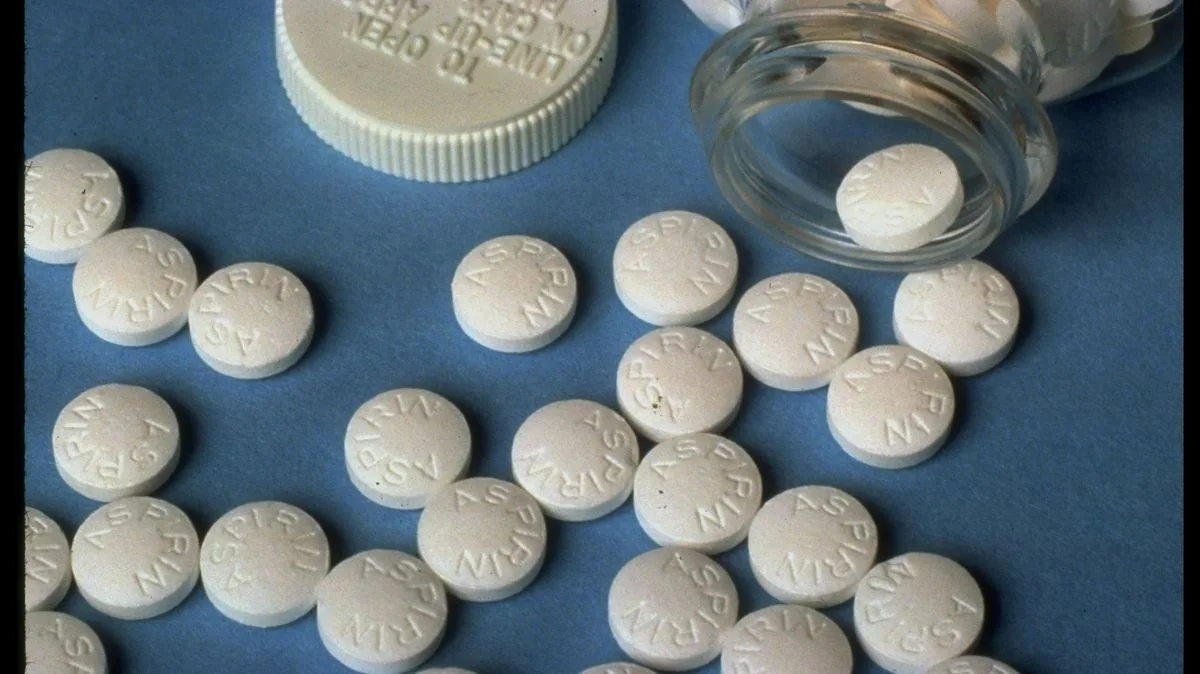
Dr Mark Porter, a GP who has appeared on The One Show, has warned that prolonged use of common painkillers such as ibuprofen, naproxen and normal-dose aspirin can cause serious side effects, including ulceration and bleeding. He highlighted that bleeding from the stomach and upper gut leads to at least 60,000 hospital admissions a year in the UK, with about one in ten patients not surviving.
According to an audit led by the University of Oxford and published in the journal Gut, nearly half of the 5,141 patients analysed were on medicines that could exacerbate bleeding, including low-dose aspirin and anticoagulants. One in 14 was taking non-steroidal anti-inflammatory drugs (NSAIDs) like ibuprofen and naproxen, which can cause ulceration and bleeding. Dr Porter stressed that too few people realise how dangerous NSAIDs can be, noting they account for about a third of all NHS hospital admissions caused by adverse drug reactions.
Dr Porter advised that people prone to indigestion or heartburn should be particularly cautious, as NSAIDs can aggravate symptoms and, if taken long term, lead to irritation, ulceration, bleeding and even perforation. He noted that while the risks for most people are small, NSAID use remains widespread, especially among older people, with up to one in five over-65s having had at least one course in the past year.
He also warned that antacid medicines like omeprazole, often prescribed alongside NSAIDs, reduce but do not eliminate the risk of bleeding. High-risk groups include those on low-dose aspirin or anticoagulants, those with a history of ulcers, and people with heart failure or chronic kidney disease. Dr Porter urged anyone over 65 not on gastroprotection to be wary.
Dr Porter advised against taking aspirin without a doctor's direction, recommending paracetamol as a safer alternative for occasional pain relief. He emphasised that anyone needing regular pain relief should consult their GP. He also warned that black tarry stools, a sign of slow bleeding from the upper gut, should prompt immediate medical attention.




