
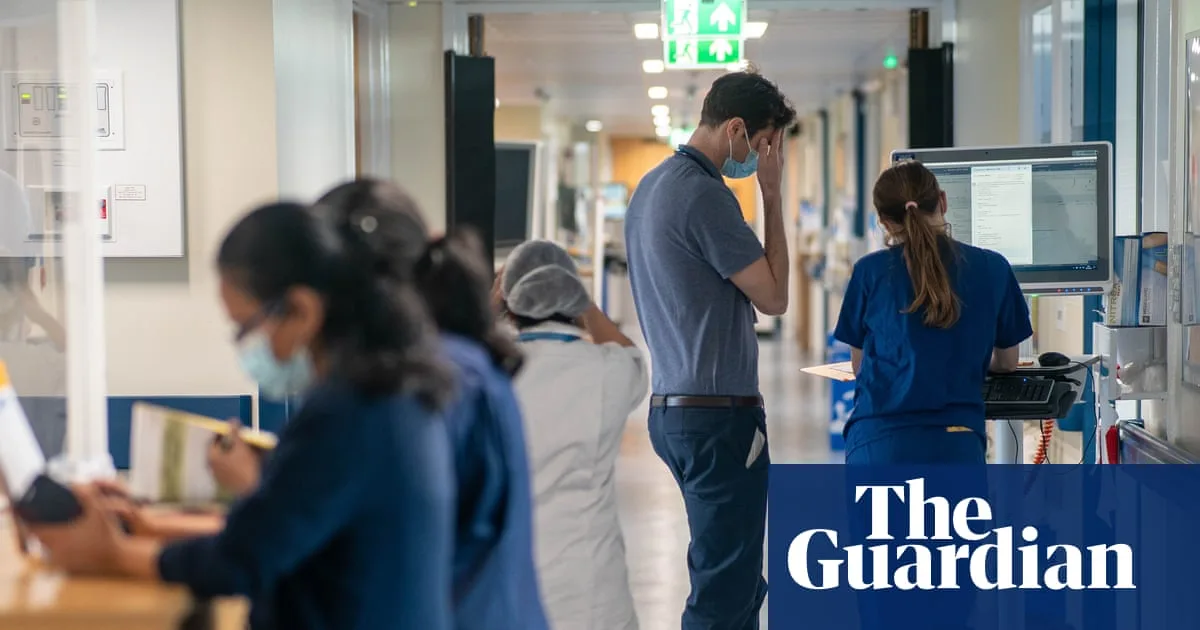
The NHS in England is grappling with its 'worst-case scenario' for flu this month, as hospital admissions for the virus have jumped by 55% in a week. An average of 2,660 patients a day were in hospital with flu, up from 1,717 the previous week, marking the highest level for this time of year. In the same week last year, the figure was 1,861, and in 2023 it was just 402.
Professor Meghana Pandit, NHS national medical director, described the numbers as 'extremely high for this time of year'. She warned that with record demand for A&E and ambulances, and an impending resident doctors' strike, the unprecedented wave of 'super flu' is pushing staff to the limit. She urged eligible individuals to get vaccinated, noting that just a week remains to ensure maximum immunity before Christmas.
The surge is driven by a mutated strain of flu, H3N2 'subclade K', which Dr Peter Abel of the University of Lancashire called a 'super flu' due to our bodies' lack of immunity. The UK Health Security Agency (UKHSA) reported that flu hospitalisation rates rose to 10.05 per 100,000 in the week to 7 December, up from 8.09. Vaccine uptake remains low among pregnant women (35.6%) and those under 65 with health conditions (37.4%), though 71.7% of over-65s have been vaccinated.
Demand for A&E services hit a record 2.35 million attendances in November, while ambulance incidents rose to 802,525. Dr Francesca Cavallaro of the Health Foundation said the NHS faces a 'fragile balancing act', with no additional funding from the recent budget to cope with rising pressures. Despite isolated reports of pharmacy supply issues, an NHS spokesperson confirmed there is no national shortage of the flu vaccine.




