
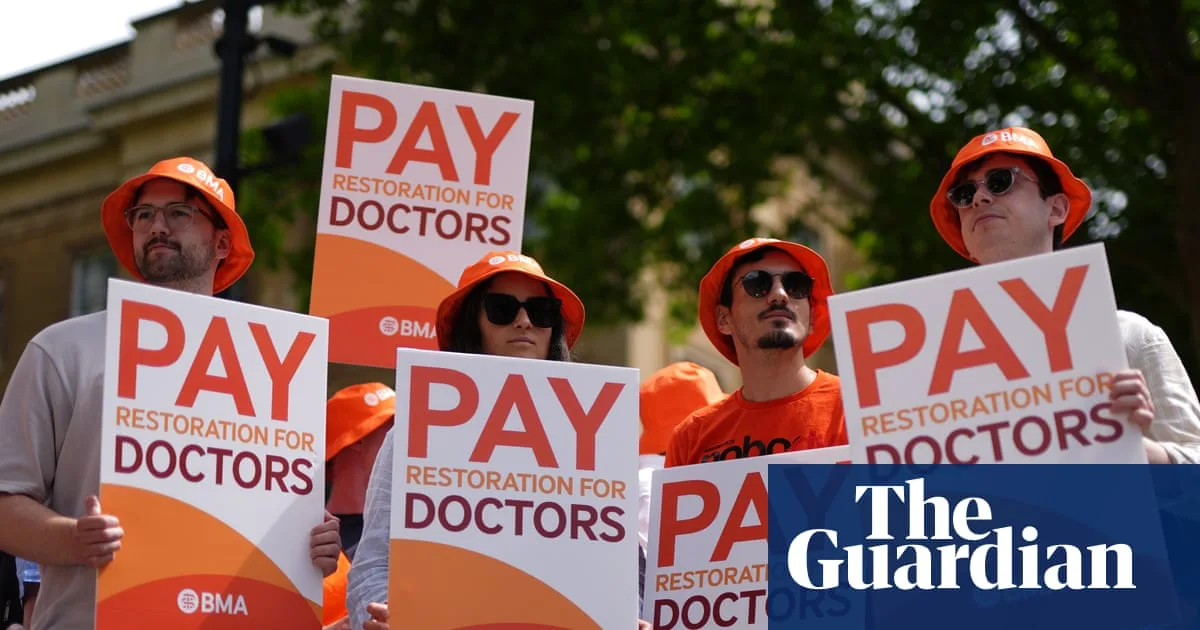
Resident doctors in the NHS have begun a five-day strike, reigniting a long-running pay dispute that threatens to undermine Labour's central health pledge. The government has offered a 5.4% pay increase this year, following a 22% rise over the previous two years, which ministers say amounts to a total uplift of 28.9% over three years. However, doctors argue that nearly two decades of pay restraint have significantly eroded their salaries in real terms, and they are striking as part of a campaign for a 29% pay rise over several years.
Health Secretary Wes Streeting denounced the strike as “completely unreasonable”, stating that “no trade union in British history has seen its members receive a 28.9% pay rise only to immediately respond with strikes”. He argued that the action “enormously undermines the entire trade union movement” and urged doctors not to join the industrial action. The two sides remain deeply entrenched, with positions further apart than ever.
According to the British Medical Association (BMA), resident doctors have seen the real value of their pay fall by nearly 21% over the past 17 years, equivalent to working one day in every five for free. The BMA's resident doctors committee is now seeking a further 29% pay rise over several years. Supporters of the strike argue that doctors are overworked, underpaid, and unable to deliver the level of care patients need, highlighting a system on the brink.
The dispute has a history of turbulence. Under the previous Conservative government, resident doctors went on strike 11 times, totalling 44 days, forcing the cancellation of about 1.5m appointments and costing the NHS an estimated £1.5bn. When Labour took office, Streeting made resolving the dispute his first priority, and a 22% pay rise over two years was agreed, backed by a large majority of doctors. However, the current impasse has shattered that brief period of calm.
The strike is expected to cause significant disruption to NHS services, with non-urgent appointments likely to be postponed. The government has urged doctors to return to negotiations, but the BMA insists that the offer on the table is insufficient. The outcome of this dispute could have major political consequences for Labour, which has pledged to fix the NHS and improve working conditions for staff.




