Wes Streeting's NHS Cancer Plan: Ambitious Promises Face Scientific and Workforce Hurdles
The government has unveiled a comprehensive 10-year National Cancer Plan, setting ambitious targets to transform NHS cancer services. Health Secretary Wes Streeting, who revealed he lost a friend to cancer during the launch, has pledged that all waiting time standards will be met by 2029. Furthermore, Labour promises that from 2035, 75 per cent of patients diagnosed with cancer will be declared cancer-free or living well after five years.
This represents the most significant commitment to cancer care since Tony Blair's Labour government introduced the flagship 62-day cancer treatment standard in 2000. While the plan's ambition is widely acknowledged as laudable, serious questions remain about its reliance on unproven technologies and its lack of detailed workforce planning.
The Mammoth Challenge of Meeting Targets
Recent data from November 2025 paints a stark picture of the current situation. For several specific cancers – including head and neck, gynaecological, gastrointestinal, urological, and lung cancers – less than 65 per cent of patients are currently treated within the 62-day target. The Nuffield Trust has calculated that to meet the 2029 ambition, NHS services would need to increase the proportion of patients seen each month by thirty times the current rate.

Sarah Woolnaugh, chief executive of health think tank The King's Fund, told The Independent that remeeting national standards within three and a half years is a "mammoth task." This challenge is compounded by rising cancer diagnoses and increasing demand for services. The NHS must not only achieve standards it has missed for a decade but do so against a backdrop of growing patient numbers.
Reliance on Unproven 'Shiny' Technologies
A significant portion of the cancer plan's success hinges on scientific and medical advancements that have yet to materialise or be proven at scale. Promises around early intervention through wearable technology, cancer vaccines, and advanced blood and saliva tests make the plan potentially hostage to future developments.
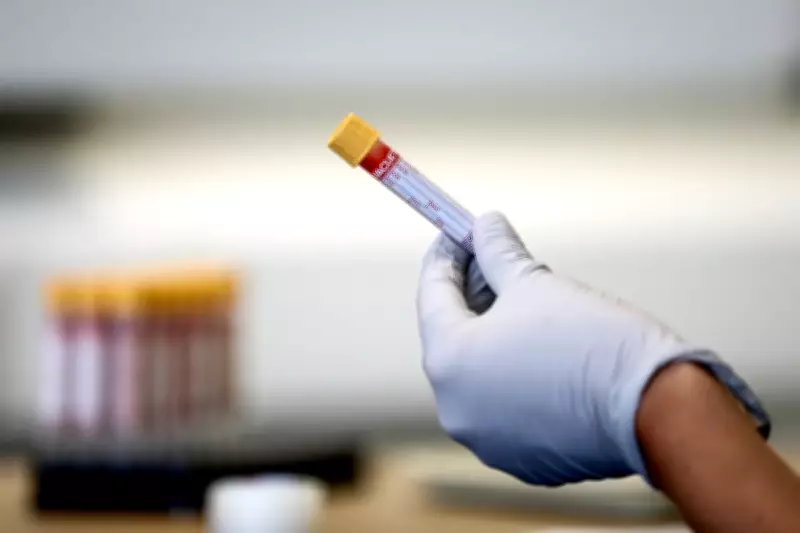
One key innovation is the so-called "multi-detection cancer tests," which use blood, urine, or saliva to detect cancer in asymptomatic patients. The government has suggested these could become part of national screening programmes within the next decade, subject to evidence. However, experts have raised substantial questions about whether these tests are proven to benefit the overall population or actually reduce cancer mortality rates.
Naser Turab, director of evidence and implementation for Cancer Research UK, cautioned that while AI and data are driving a revolution in diagnosis and treatment, they are "definitely not a panacea" for improving waiting times. He emphasised the need for careful evaluation and warned against overpromising how quickly such technologies will deliver results, noting they don't automatically make services cheaper or more efficient.
Mr Turab stressed the equal importance of focusing on "boring" issues like GP access and hospital performance, alongside the "shiny technologies." Ms Woolnaugh echoed this, stating that while the plan talks about the "new and exciting," the NHS must consistently get test results back to people. She highlighted a critical implementation gap: even if new tests detect early cancers, the NHS currently lacks the scanning capacity to diagnose those early-stage cases.
The Glaring Omission: Workforce Planning
Perhaps the most significant shortcoming in the published plan is the lack of detailed workforce strategy. While it promises to focus on the types of roles needed rather than just overall numbers – a welcome approach – it remains light on specific staffing commitments. This is a common issue when governments release major policy papers.
Leading medical colleges, including the Royal College of Radiologists and the Society of Radiographers, have already emphasised that adequate boosts to workforce and funding must follow the plan's publication. Ultimately, even the most advanced technology will fail to deliver impact without sufficient specialist staff to administer new tests and treatments.

The credibility of Wes Streeting's cancer plan will depend on balancing the pursuit of innovation with the fundamental task of fixing NHS basics. As Ms Woolnaugh concluded, success lies in "whether you can focus on fixing the basics… while at the same time having enough capacity and headroom to shift pathways to ready the systems for innovations." Time, and the detailed implementation that follows, will reveal whether these ambitious promises can become reality.