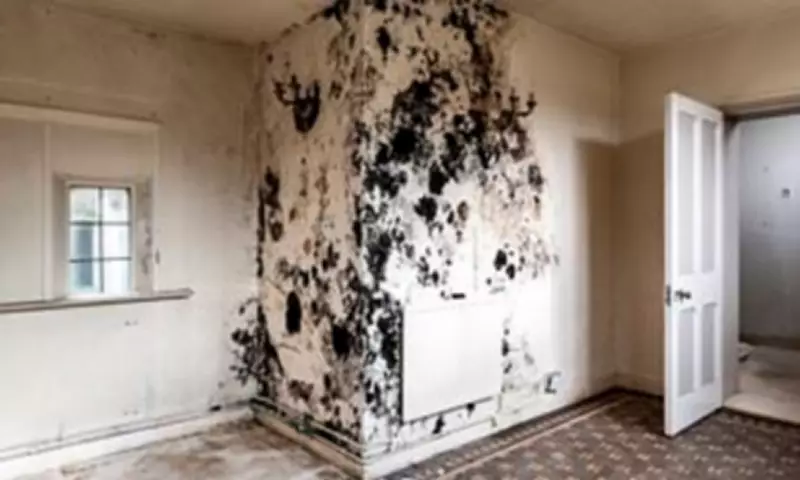
Childhood Mould Exposure Causes Lifelong Lung Damage, Major Study Reveals
Exposure to toxic household mould can have a devastating impact on lung health that persists for decades, according to alarming new research from the University of Bristol. The groundbreaking study reveals that childhood exposure to mould significantly decreases lung function well into adulthood, with measurable effects still detectable years after initial exposure.
Three-Decade Study Reveals Alarming Findings
As part of the comprehensive Children of the 90's research project, scientists followed participants over three decades to track the long-term health consequences of mould exposure. The research team discovered that children exposed to mould at age fifteen showed a five per cent reduction in lung function ten years later. This persistent impairment demonstrates how early environmental factors can create lasting health consequences.
Dr Raquel Granell, one of the study authors, emphasized the importance of prevention: "The first rule I would say is that any mould you can smell is serious mould, and you do not want it to get to that stage. The best way to prevent mould is through ventilation, so be sure to open windows especially in the kitchen and bathroom."

Hidden Dangers in Everyday Appliances
Mould represents a microscopic fungus that releases thousands of toxic particles into the air, triggering respiratory problems including:
- Respiratory infections like aspergillus
- Asthma development and exacerbation
- Allergic reactions and inflammation
- Persistent coughing and wheezing
Kitchen appliances have emerged as particularly concerning "prime mould zones" due to constant moisture exposure. Dishwashers, refrigerators, and microwaves can harbour dangerous mould colonies that often go undetected until serious health consequences appear.
The case of Schayene Silva illustrates this hidden danger dramatically. After developing kidney cancer, Ms Silva discovered her ice machine was "covered in mould" upon investigation. Testing revealed she had ten times the normal amount of Ochratoxin in her body—a dangerous toxin produced by Aspergillus and Penicillium moulds.
Widespread Health Implications
Professor James Dodd, Professor of Respiratory Medicine at Bristol Medical School, explained: "Exposure to mould most commonly affects the lungs through breathing in spores triggering an allergic, inflammatory response. The fungal spores act as aeroallergens which can cause breathing problems including cough, wheeze, chest tightness and runny nose."
Government statistics reveal the scale of the problem, with approximately 5,000 asthma cases and 8,500 lower respiratory infections among children and adults in England linked to household damp and mould in 2019 alone. Between one to two per cent of new hayfever cases each year are attributed to damp and mould exposure.
Prevention and Remediation Strategies
Robert Weltz of mould inspection agency RTK Environmental Group warned: "Mould can spread from these devices to other parts of your home, and that can be detrimental to your health. Because mould is often hidden, growing on the back sides of walls and sheetrock, and under carpets and floorboards, the only way to be sure is to have a mould inspection performed by a certified professional."
Experts recommend several prevention measures:
- Ensure proper ventilation throughout the home
- Avoid drying clothes indoors when possible
- Use dehumidifiers in damp areas
- Regularly inspect appliances for moisture buildup
- Check hidden areas like lofts and basements periodically
For existing mould problems, Weltz advises washing affected areas with water and detergent for small patches. However, for areas larger than two by two feet, professional remediation becomes essential. Do-it-yourself testing kits are generally unreliable according to experts.

Tragic Consequences of Neglect
The human cost of mould exposure became tragically clear in December 2020 when two-year-old Awaab Ishak died from a respiratory condition caused by black mould in his Rochdale home. Despite his family reporting the problem three years earlier, they were advised to "paint over it" by housing authorities. The mould contributed to Awaab developing a continuous cough that meant he couldn't breathe through his nose in his final weeks.
Professor Dodd emphasized the preventable nature of these health issues: "Damp and mould are a preventable cause of respiratory disease, health inequality and NHS cost. Failure to address housing conditions undermines clinical care, widens inequalities, and drives avoidable admissions."
The research underscores how mould exposure represents a significant public health concern with consequences that can span decades, affecting lung development in childhood and respiratory health throughout adult life.