Mid-Life MOT Health Checks Face Funding Crisis as Councils Impose Patient Caps
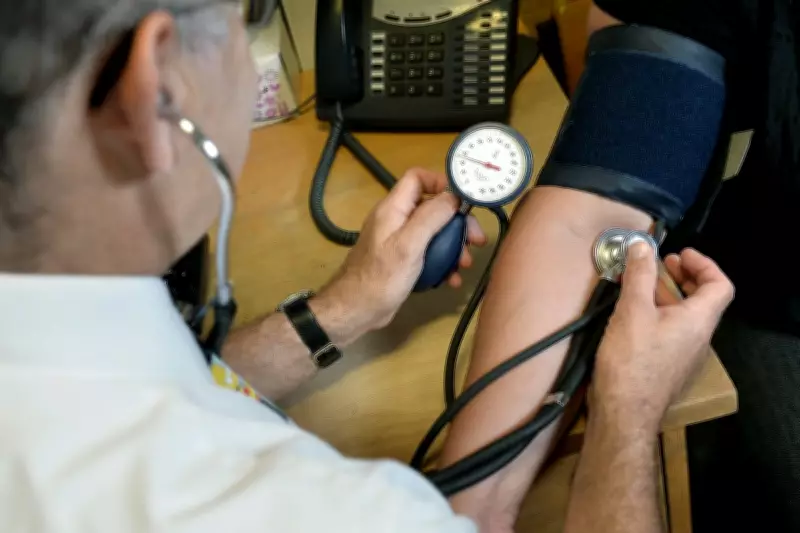
Leading general practitioners have issued a stark warning that thousands of adults across England could miss out on crucial preventive health screenings due to funding restrictions imposed by local authorities. The NHS Health Check programme, often described as a vital "mid-life MOT," is designed to identify early risks for serious conditions including heart disease, stroke, and diabetes in asymptomatic individuals.
Growing Concerns Over Screening Accessibility
These comprehensive health assessments are supposed to be offered every five years to all adults aged between 40 and 74 who do not have pre-existing medical conditions. Available through GP surgeries and community centres nationwide, the checks aim to raise awareness of health risks and provide personalised guidance on preventive measures and lifestyle changes.
However, a concerning new report from GP magazine Pulse reveals that many local authorities are implementing strict caps on the number of patients who can access these vital screenings. The investigation, which involved Freedom of Information requests sent to 151 local authorities responsible for commissioning NHS Health Checks across England, found that approximately half (72 councils) have established some form of limitation on patient numbers.

The Impact of Funding Restrictions
While some caps simply ensure that eligible patients receive their check once every five years as intended, more restrictive measures are causing significant concern among healthcare professionals. Alarmingly, eleven councils have confirmed they will only fund health checks for between 10% and 15% of their eligible population each year.
This severe restriction means that even if every eligible patient came forward for their scheduled five-year check, GP surgeries would not receive adequate funding to screen them all. The situation creates what medical professionals describe as a "postcode lottery" for preventive healthcare, with access to potentially life-saving screenings becoming dependent on geographical location rather than medical need.
Medical Professionals Voice Their Concerns
One Warwickshire GP, who spoke anonymously to Pulse magazine, highlighted the practical implications of these funding restrictions. "In my surgery, we've had a high take-up rate for these checks over the last few years and have run evening and Saturday clinics specifically to accommodate working people," the practitioner explained. "The fundamental purpose of any screening test is to identify health issues in asymptomatic individuals. By failing to fund NHS Health Checks adequately, we're missing crucial opportunities to diagnose conditions like diabetes or hyperlipidaemia before they become serious problems."
Professor Victoria Tzortziou Brown, chair of the Royal College of GPs, emphasised the broader implications of these funding decisions. "If local authorities are now limiting the number of health checks that practices can be reimbursed for due to budget pressures, it creates significant uncertainty for medical practices," she stated. "This situation means some patients may completely miss out on these vital screenings, while others are left confused about their eligibility. General practitioners want to help patients maintain good health, but preventive programmes must be properly funded and supported by strong evidence to be effective in practice."
Local Government Perspective and National Response
Wendy Taylor, chair of the Local Government Association's Health and Wellbeing Committee, acknowledged the challenging financial context facing local authorities. "Councils remain committed to supporting their local communities to live healthier lives and recognise the significant value of the NHS Health Check programme in preventing serious conditions," she commented. "However, local authorities have faced substantial funding pressures over the past decade, which have inevitably impacted their ability to deliver services at the scale originally intended."

In response to these concerns, a Department of Health and Social Care spokesperson highlighted recent achievements and future plans. "Over the last five years, more than 75% of the eligible population were invited for an NHS Health Check," the spokesperson noted. "We are actively working to improve this vital programme that helps identify people at risk of cardiovascular conditions early. This includes developing an online check that people can complete at home at their convenience. Furthermore, through our comprehensive 10 Year Health Plan, we are committed to transforming the NHS by shifting the focus from treating sickness to preventing it in the first place."
Additional Developments and Future Implications
The NHS Health Check programme is also set to expand its scope in the coming months, with plans to incorporate specific advice and support for women experiencing menopause. This development makes the current funding restrictions particularly concerning, as they could prevent many individuals from accessing this additional specialised guidance.
Medical experts warn that reducing access to these preventive screenings could have significant long-term consequences for public health and NHS resources. Early detection of conditions like hypertension, high cholesterol, and prediabetes allows for timely interventions that can prevent more serious health complications developing later. Without adequate screening, many conditions may only be identified once symptoms appear, potentially requiring more complex and expensive treatments.
The situation highlights the ongoing tension between preventive healthcare aspirations and the practical realities of funding allocation within the NHS and local government systems. As budget pressures continue to affect public services across the country, healthcare professionals fear that preventive programmes like the NHS Health Check may face further restrictions unless additional funding or alternative delivery models can be established.