Meningitis Cases Surge to 20 in Kent as Health Officials Grapple with 'Explosive' Outbreak
The UK Health Security Agency (UKHSA) has confirmed that the number of meningitis cases under investigation in Kent has risen to 20, with officials warning that this figure could increase in the coming days. This development comes as health authorities describe the situation as an 'explosive' outbreak, unprecedented in its rapid spread.
Current Case Breakdown and Investigation Status
As of 5pm on Tuesday, the UKHSA reported 20 cases of meningitis, up from 15 previously. Among these, nine cases have been laboratory-confirmed, while 11 remain under active investigation. Notably, six of the confirmed cases have been identified as the meningitis B strain, raising concerns among public health experts.
All affected individuals currently linked to the outbreak are young adults, according to official statements. The UKHSA is also investigating a separate case involving a baby with confirmed meningococcal group B infection, though this is not currently connected to the main outbreak cluster.

Preventative Measures and Treatment Distribution
In response to the escalating situation, GPs across the country have been instructed to prescribe antibiotics to anyone who visited Club Chemistry in Canterbury between March 5-7, as well as to University of Kent students. This measure aims to ensure that individuals who have left the campus can still access crucial preventative treatment locally.
Trish Mannes, UKHSA regional deputy director for the South East, emphasized that antibiotics represent "the main intervention that will help protect people and halt the spread of the outbreak." To date, over 2,500 antibiotic doses have been administered to students, close contacts, and others associated with the affected venues.
Vaccination Efforts and Supply Considerations
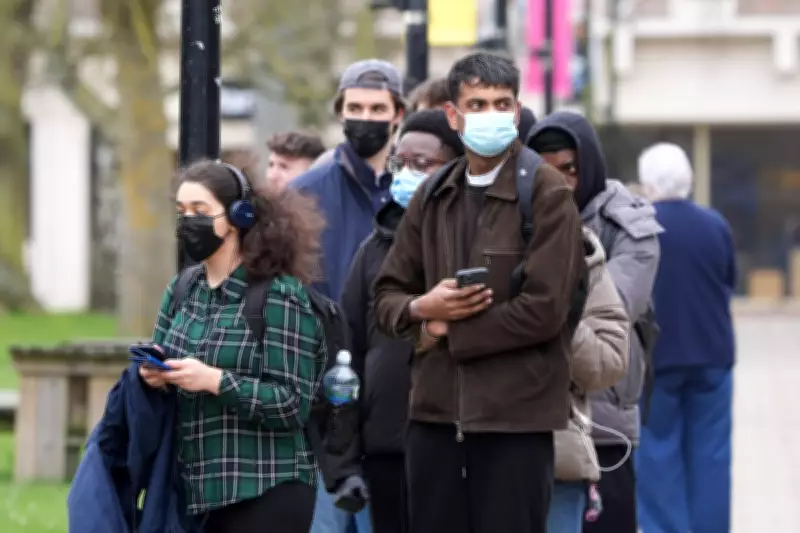
Approximately 5,000 University of Kent students at the Canterbury campus will be offered the meningitis B vaccine, with potential for this program to be expanded based on ongoing assessments. The UKHSA has reassured the public that sufficient NHS stocks of the menB vaccine are available, despite reports of private pharmacies experiencing supply challenges.
A UKHSA spokeswoman stated: "There are sufficient menB vaccine stocks. We will work with local resilience partners to ensure effective distribution." This comes as private providers like Boots and Superdrug have implemented waiting lists due to high demand, with Superdrug citing a "national shortage" of the jab.
Expert Perspectives on the Outbreak's Unprecedented Nature
Health officials have characterized this outbreak as extraordinary due to the high number of cases emerging within such a brief timeframe. UKHSA chief executive Susan Hopkins remarked: "In my 35 years working in medicine, this is the most cases I've seen in a single weekend with this type of infection. It's the explosive nature that is unprecedented here."
England's deputy chief medical officer, Dr Thomas Waite, echoed this sentiment, noting: "This is by far the quickest-growing outbreak I've ever seen in my career, and I think probably any of us have seen, of meningitis for a very long time."
Geographical Spread and Transmission Risks
All reported cases so far have connections to Kent, though at least one individual with links to the area received treatment at a London hospital. The UKHSA has indicated that this person had "no community contacts in London," suggesting that the risk of widespread transmission in the capital remains low.
Health Secretary Wes Streeting addressed concerns about national spread, stating: "Lots of students from Kent have already gone home. It's exam week at the university this week, so there are still quite a few students around sitting their exams." He emphasized that the disease primarily spreads through close personal contact such as kissing or sharing drinks.
Scientific Investigation and Strain Analysis
Laboratory scientists are urgently working to determine whether a mutant strain of meningitis B might be responsible for the rapid transmission. The genome of the identified menB strain is undergoing whole genome sequencing to compare it with known variants and assess its compatibility with existing vaccines.

Health officials stress that individuals should not skip prescribed antibiotics, as a single tablet of Ciprofloxacin can reduce household meningitis risk by approximately 80-90%. With the infection's incubation period ranging from two to fourteen days, further cases are anticipated as symptoms develop in exposed individuals.
The UKHSA continues to monitor this rapidly evolving situation closely, coordinating with local health partners to manage both treatment distribution and vaccination programs effectively.