Meningitis Outbreak in Kent Escalates to 20 Cases, Officials Call It 'Explosive'
The UK Health Security Agency (UKHSA) has confirmed that the number of meningitis cases in Kent has risen to 20, with health officials warning that this number could increase in the coming days. This development comes as experts describe the situation as an 'explosive' outbreak, marking it as unprecedented in recent history.
Rising Case Numbers and Confirmed Strains
As of 5pm on Tuesday, the UKHSA reported 20 cases of meningitis, up from 15 previously. Among these, nine cases have been laboratory-confirmed, while 11 remain under investigation. Notably, six of the confirmed cases have been identified as the meningitis B strain, raising concerns about the virulence and spread of the infection.
All individuals currently linked to the outbreak are young adults, with at least one case involving a baby with confirmed meningococcal group B infection, though this is not yet connected to the main outbreak. The UKHSA continues to investigate this separate case to determine any potential links.

Public Health Response and Interventions
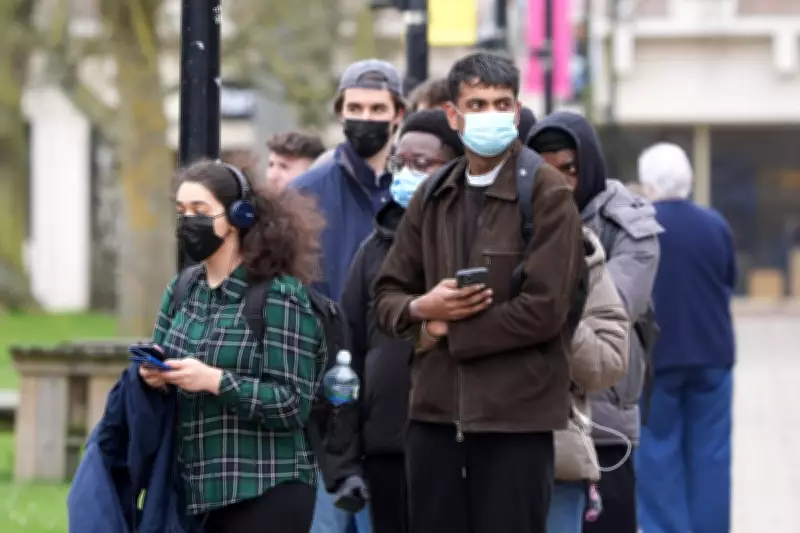
In response to the escalating situation, GPs across the country have been instructed to prescribe antibiotics to anyone who visited Club Chemistry, a nightclub in Canterbury, between March 5 and 7, as well as to students from the University of Kent. This measure aims to ensure that individuals who have left the campus can access preventative treatment locally.
Trish Mannes, UKHSA regional deputy director for the South East, emphasised that antibiotics are "the main intervention that will help protect people and halt the spread of the outbreak." So far, over 2,500 doses of antibiotics have been administered to students, close contacts, and others, including some attendees of Club Chemistry.
Vaccination Programme and National Significance
As a further precaution, a targeted meningitis B vaccination programme is being rolled out, initially targeting 5,000 University of Kent students residing at the Canterbury campus. This programme may be extended based on ongoing reviews. Health officials have assured that there are sufficient NHS stocks of the menB vaccine, despite reports of private pharmacies struggling to obtain supplies.
England's deputy chief medical officer, Dr Thomas Waite, stated, "This is by far the quickest-growing outbreak I've ever seen in my career, and I think probably any of us have seen, of meningitis for a very long time." He added that while the outbreak is concentrated in Kent, it holds national significance due to its rapid spread.
Deaths and Expert Concerns
Tragically, two students have died during the outbreak, including 18-year-old Juliette Kenny, who was studying for her A-Levels. The number of cases is expected to rise further, as the incubation period for meningitis ranges from two to 14 days.
UKHSA chief executive Susan Hopkins described the outbreak as a "super-spreader event" with ongoing transmission within university halls of residence. She noted, "In my 35 years working in medicine, this is the most cases I've seen in a single weekend with this type of infection." The explosive nature of the outbreak, with numerous cases appearing in a short timeframe, has prompted national-level oversight by the NHS.
Investigations and International Links
Laboratory scientists are urgently conducting whole genome sequencing on the menB strain identified in the outbreak to determine if it is a mutant variant. This analysis will also test the strain against available vaccines, though experts stress that eligible individuals should still get vaccinated.
On a related note, French authorities alerted the UKHSA on Saturday about a confirmed case in France involving a person who had attended the University of Kent, highlighting the potential for international spread. However, the UKHSA has indicated that the risk of spread in London remains low, as one individual who fell ill had no community contacts in the capital.

Call to Action and Future Steps
Health Secretary Wes Streeting has requested the Joint Committee on Vaccination and Immunisation (JCVI) to re-examine eligibility for meningitis vaccines for a broader group of people. He noted that while the menB vaccine has been part of routine childhood immunisations since 2015, most students would not have been vaccinated.
Four centres in Canterbury are currently open, offering antibiotics with 11,000 doses available on site. Officials urge anyone who attended Club Chemistry or is on campus to come forward for treatment. People are advised not to skip prescribed antibiotics, as a single tablet of Ciprofloxacin can reduce the risk of meningitis in a household by 80% to 90%.
If symptoms of meningitis are suspected, individuals should seek medical help immediately by contacting their GP or calling NHS 111, as early treatment can save lives.