Meningitis Outbreak Intensifies with Fifth Kent School Affected and Vaccine Supplies Dwindling
The meningitis B outbreak in Kent has escalated dramatically, with health officials confirming a fifth school has been impacted and cases rising to 20, including two tragic fatalities. The UK Health Security Agency (UKHSA) reported the increase from 15 cases, describing the situation as an "explosive" spread that has now been declared a national incident due to its unprecedented nature.
Schools and Universities in Crisis as Cases Surge
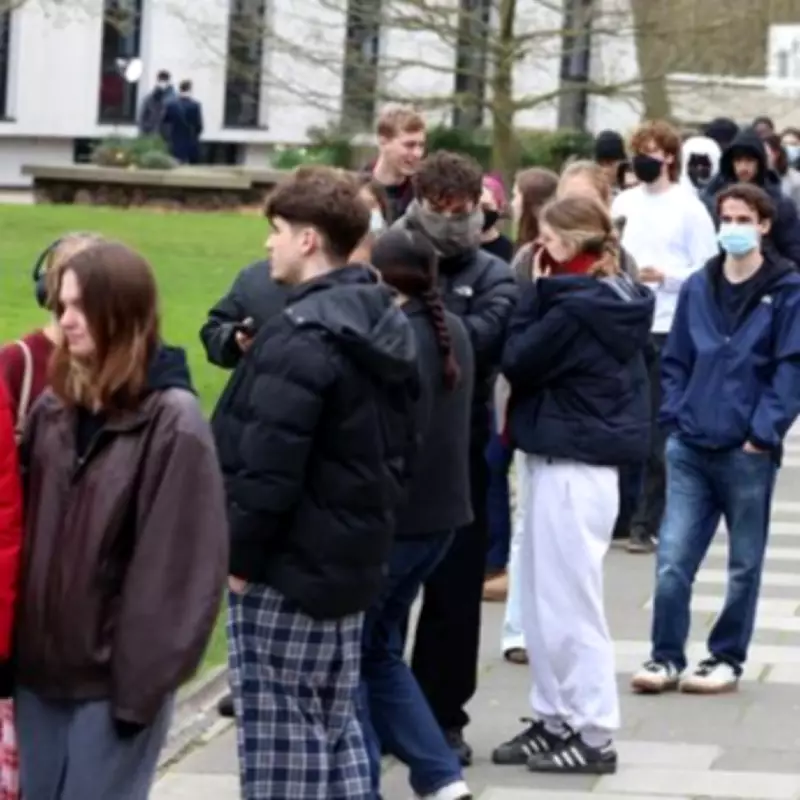
The Canterbury Academy in Knight Avenue has become the latest educational institution to report a case, joining four other schools in Kent affected by the outbreak. A Year 13 pupil at the academy is currently receiving treatment for meningococcal disease, with antibiotics administered early showing positive results. Meanwhile, the University of Kent remains a focal point, where a 21-year-old student has died, and hundreds of students and staff have queued for preventative antibiotics.
In a separate development, health officials in Northern Ireland are investigating a probable case of meningococcal disease in a 16-year-old pupil at Bloomfield Collegiate School in Belfast. The Public Health Agency has clarified this case is not linked to the Kent outbreak but underscores the vigilance required nationwide.

National Vaccine Shortage Sparks Panic
A critical shortage of meningitis B vaccines has emerged across the UK, with major pharmacies like Boots and Superdrug implementing online queuing systems and waiting lists due to overwhelming demand. Olivier Picard, chairman of the National Pharmacy Association, revealed that private stock has "run out," leaving pharmacies unable to fulfill appointments and patients in a state of worry. Superdrug reported a 65-fold increase in bookings for meningitis jabs compared to the previous week, highlighting the public's urgent response to the crisis.
Antibiotics and Targeted Vaccinations Deployed as Immediate Measures
Health authorities are prioritizing antibiotics as the most effective immediate treatment to curb the spread. GPs have been advised to prescribe antibiotics to individuals who visited Club Chemistry in Canterbury between March 5 and 7, as well as to University of Kent students. Distribution centers have been set up at locations including the Gate Clinic at Kent and Canterbury Hospital and the Senate building at the University of Kent to facilitate access.
In a targeted effort, around 5,000 students residing in university halls at the University of Kent will be offered the MenB vaccine in the coming days. The UKHSA emphasized that this programme may be extended based on ongoing risk assessments, with initial focus on high-risk populations.
Expert Insights and Public Health Warnings
Dr. Gayatri Amirthalingam, deputy director of the immunisation and vaccine preventable diseases division at UKHSA, urged parents to ensure children are up-to-date with available vaccines and remain alert to symptoms like fever, headache, and confusion. She reassured that there is no evidence of wider spread beyond the Kent region currently.
UKHSA chief executive Susan Hopkins described the outbreak as a "super-spreader event," noting it is the most cases she has seen in a single weekend in her 35-year career. The incubation period of two to 14 days suggests case numbers may continue to rise, prompting heightened surveillance and response efforts.
Community Impact and Ongoing Developments
The outbreak has caused significant disruption, with the University of Kent campus described as a "ghost town" as many students have returned home after receiving antibiotics. Exams and in-person assessments have been cancelled, adding to the anxiety among the student body. Additionally, a nine-month-old baby from Folkestone is critically ill with meningitis, though her condition is currently stable, and the case is under investigation for potential links to the outbreak.
Health Secretary Wes Streeting has labeled the spike in cases as "unprecedented," with the NHS escalating the response to a national level. As the situation evolves, officials continue to monitor for further cases, including one reported in France involving a student who attended the University of Kent, indicating the outbreak's potential cross-border implications.