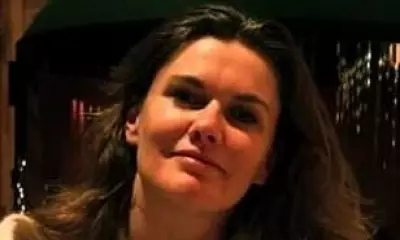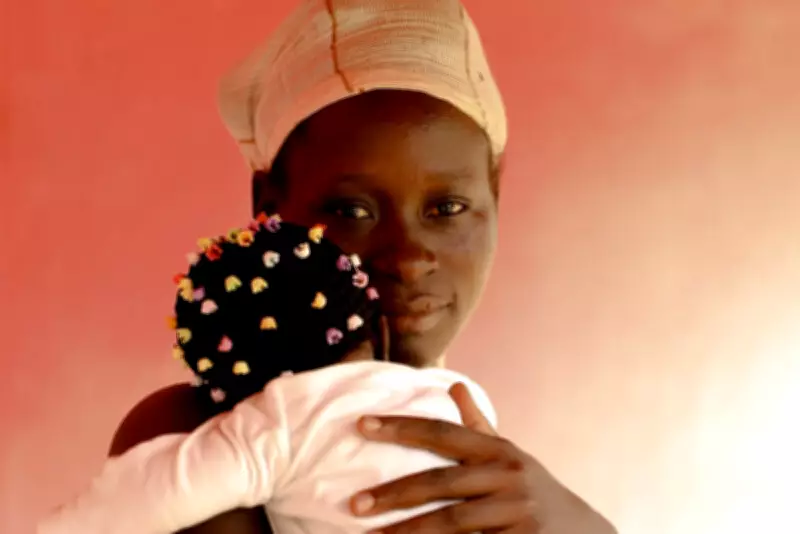
Women across the globe share a universal hope for a safe and dignified birth, where their voices are heard and their needs—to protect themselves and their babies from preventable harm and illness—are met. Helen Hamilton, in a heartfelt account, underscores this urgent call, drawing from her own harrowing experience and the dire situation faced by mothers in Africa.
A Personal Journey of Fear and Gratitude
During her pregnancy, Helen Hamilton felt the familiar mix of excitement and anxiety that accompanies expecting a child. After a previous pregnancy loss, she was particularly nervous but filled with hope as she anticipated meeting her firstborn. She cherished the moments of feeling her baby kick and move, eagerly awaiting his arrival.
However, after giving birth, both Helen and her newborn son required urgent medical attention for infections and suspected sepsis. Her baby was immediately placed in the Neonatal Intensive Care Unit (NICU), reliant on oxygen support for every breath. Before she could even hold him, Helen, like all others in the hospital, had to wash her hands meticulously to prevent the spread of infection among the vulnerable infants.

Thankfully, both mother and child recovered fully. Helen expresses eternal gratitude for receiving timely treatment in a clean and safe environment. She emphasizes that in healthcare settings, access to clean water, functional toilets, and good hygiene is not just beneficial but immediately lifesaving, safeguarding families during their most critical moments and bolstering health systems and frontline staff.
The Global Maternal Sepsis Crisis
Maternal sepsis, a life-threatening condition that can develop during pregnancy, childbirth, or the postpartum period, is often linked to unhygienic conditions and poor infection prevention. It ranks as the third leading cause of maternal deaths worldwide, exposing newborns to deadly health risks from birth and endangering mothers at a time of extreme vulnerability.
Shockingly, every two seconds, a woman gives birth in a healthcare facility lacking clean water, working toilets, or adequate hygiene. Without these basics, there is no assurance that clean hands will deliver a baby, leading to the rapid spread of infections. When delivery rooms cannot be properly cleaned, when toilets are inadequate, and when water access is absent, the risks to women and newborns escalate dramatically.
Alarming Statistics from Sub-Saharan Africa
WaterAid's new report, launched alongside its Time to Deliver campaign, reveals that 36 mothers die daily from maternal sepsis in sub-Saharan Africa. This staggering figure means mothers in this region are nearly 150 times more likely to succumb to maternal sepsis compared to those in Western Europe or North America—a situation described as both shocking and unacceptable.
Helen notes that while the UK faces its own challenges with maternal healthcare failures and preventable issues, no country is immune. The state of global maternal health is simply inadequate, and heartbreak can often be avoided with proper resources.
Voices from the Ground: Demands for Change
In collaboration with the White Ribbon Alliance, 1,800 women from Malawi and Uganda have voiced their demands for better maternal care. They shared stories of horrifying birth conditions, linking clean water to safety, decent toilets to dignity, and handwashing to protection. Health workers expressed frustration over trying to provide quality care without basic resources, highlighting that maternal health is not just about clinical care but also about feeling safe and respected during childbirth.
Simple and Affordable Solutions
The solutions are straightforward and cost-effective. Access to clean water can prevent sepsis and is far cheaper than treatment. WaterAid estimates that providing clean water, toilets, and handwashing facilities could reduce maternal infections and deaths by at least 50%. At less than $1 US per capita for these essentials in all least developed countries' health facilities, it is highly affordable.
However, recent UK government cuts have moved commitments in the wrong direction, with reduced and devalued funding for water, sanitation, and hygiene, and further reductions expected. This undermines global efforts to address this crisis.

A Call to Action: Time to Deliver
The Time to Deliver campaign amplifies the calls of women worldwide, demanding safe births and clean water in every healthcare facility. Helen Hamilton urges governments to step up and deliver for every birth, every woman, and every future. She stresses that discussions on global development and human rights should not feel abstract or distant, especially when resources are stretched and other crises compete for attention. This issue is tangible and achievable with known solutions.
In conclusion, Helen Hamilton, as head of public policy health at WaterAid UK, calls for collective action to ensure that no mother has to face the dangers of maternal sepsis due to a lack of basic hygiene. The petition for the Time to Deliver campaign is a step toward making this vision a reality, advocating for a world where every birth is safe and dignified.