Krill Oil Supplements: A Nutritional Boost or Environmental Threat?
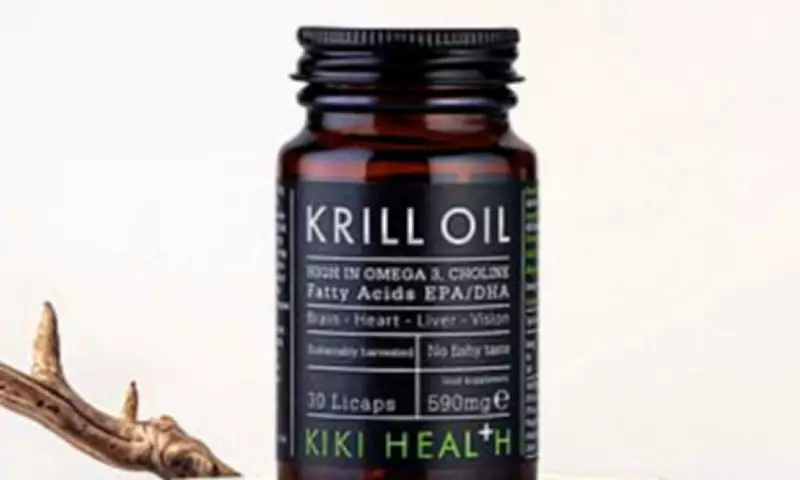
Kiki Health produces omega-3 fatty acid supplements using krill, tiny shrimp-like crustaceans harvested from the pristine waters around Antarctica. The company asserts that krill oil is more effectively absorbed by the body compared to traditional fish oil, with claims that these capsules support vision, heart health, liver function, and brain maintenance. However, the scientific and environmental implications of this supplement demand closer scrutiny.
What's the Science Behind Krill Oil?
According to NHS guidelines, while omega-3 fatty acids offer health benefits, they are best obtained through dietary sources like oily fish rather than supplements. The NHS specifically advises against supplement use for most individuals, particularly those with a history of heart attacks, diabetes, or familial high cholesterol. Instead, consuming foods such as mackerel is recommended, which also helps preserve krill as a vital food source for marine wildlife.
Expert Insights on Nutritional Value
Rob Hobson, a registered nutritionist and author of The Low Appetite Cookbook, provides a balanced perspective. He acknowledges that krill oil has nutritional advantages from a science-based viewpoint, but notes that evidence regarding its superior absorption over fish oil remains inconclusive. Hobson emphasizes, 'For people who rarely eat oily fish, a supplement can help plug a gap – but, as with most supplements, food comes first and these are not a replacement.' This highlights the importance of prioritizing whole foods in one's diet.

Environmental Concerns and Conservation Efforts
The environmental impact of krill harvesting is significant. Whales, penguins, seals, and various bird species rely on krill as their primary food source. Additionally, a recent study revealed that krill play a crucial role in removing approximately 12 billion tonnes of carbon annually from the Earth's atmosphere, contributing to climate regulation. Despite this, conservation groups like Sea Shepherd have reported over the past three years that trawlers in Antarctic waters are extensively vacuuming up krill, processing it onboard, and supplying it to a global market that many deem destructive. This practice raises ethical and ecological red flags, suggesting that the pursuit of krill oil supplements may come at an unacceptable cost to marine ecosystems.
Final Verdict and Recommendations
Given the mixed scientific evidence and substantial environmental risks, it is prudent to approach krill oil supplements with caution. While they may offer some benefits for individuals with limited oily fish intake, the potential harm to Antarctic wildlife and carbon sequestration processes cannot be overlooked. In light of these factors, avoiding krill oil supplements in favor of sustainable dietary choices appears to be a more responsible course of action. Consumers are encouraged to consult healthcare professionals and consider eco-friendly alternatives to support both personal health and planetary well-being.