Kerry Katona Reveals Health Scare After Suspected Stroke Symptoms
Kerry Katona Health Update After Suspected Stroke

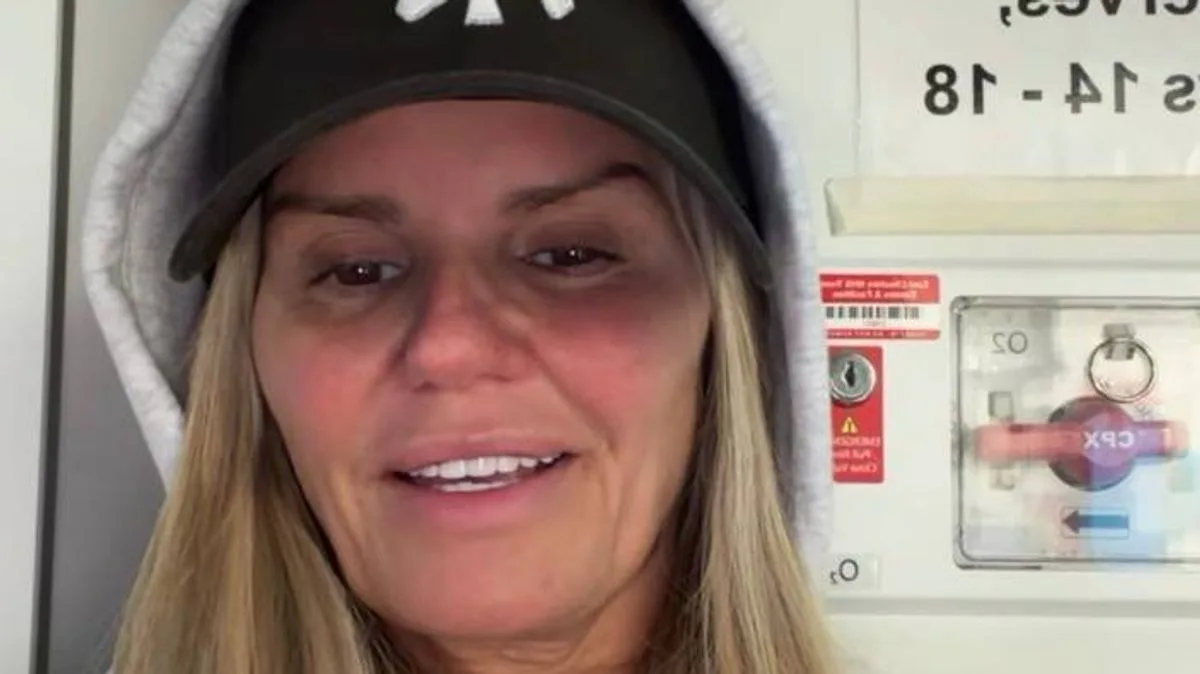
Kerry Katona has provided a new health update after experiencing symptoms that led to a suspected stroke, revealing the incident has altered her appearance and speech. The 45-year-old Atomic Kitten singer admitted she has 'never been so scared' as she detailed the frightening health episode earlier this month.

A Terrifying Moment During a Family Outing

Katona's health crisis unfolded while she was watching her eldest daughter Molly, 24, perform in a London play. She suddenly realised she couldn't smile properly, prompting her daughter Heidi, 19, to notice something was wrong with her face. This alarming observation caused Kerry to rush to hospital, where medical staff immediately began treating her condition as a potential stroke.

Emergency Hospital Treatment and Diagnosis

After taking a taxi to St Thomas' Hospital when she couldn't secure a doctor's appointment for four hours, Katona was quickly transferred by ambulance to King's College Hospital under emergency protocols. 'They were shining lights in my eyes while my face and speech were getting worse,' she recalled of the terrifying experience.

Wide Pickt banner — collaborative shopping lists app for Telegram, phone mockup with grocery list

Despite initial stroke protocols, subsequent tests and CT scans revealed she hadn't suffered a stroke. Doctors determined that stress had caused a part of her brain to malfunction, preventing proper signals from reaching her facial muscles. 'There's a part of my brain that's broken and isn't able to send signals to my face due to stress,' Katona explained.

Ongoing Symptoms and Recovery Process

The mother-of-five continues to experience aftereffects from the incident. 'I know I'm talking differently and I know my face looks different after my suspected stroke, but it's actually loads better. It comes and goes,' she shared in her New magazine column.

In addition to altered speech patterns, Katona reported experiencing shooting pains in her head. While doctors have assured her that speech therapy and facial exercises will help restore her movement and speech, she confessed to feeling 'getting a bit panicky with it' during the recovery process.

Impact on Mental Health and Family

The health scare has significantly exacerbated Katona's existing health anxiety. 'I've just got to try and not think about it, because I'm the worst hypochondriac in the world,' she admitted. 'It's awful for my family, I think they're all fed up and sick of me at this point.'

During the frightening episode, Katona messaged all five of her children – Molly, Lilly (23), Heidi, Max (18), and Dylan-Jorge (12) – fearing she might never speak to them again. 'I texted all my children and told them I loved them. I've never been so scared in my life,' she revealed.

Understanding Stroke Symptoms and Risks

A stroke represents a serious medical emergency occurring when blood flow to part of the brain becomes interrupted, either through blockage (ischemic stroke) or bleeding (hemorrhagic stroke). This deprivation of oxygen causes brain cells to die rapidly, requiring immediate medical intervention to prevent permanent damage or death.

Common Stroke Symptoms Include:

  • Sudden numbness or weakness in the face, arm, or leg, particularly on one side
  • Abrupt confusion, difficulty speaking, or trouble understanding speech
  • Sudden vision problems or blurred vision in one or both eyes
  • Immediate difficulty walking, dizziness, or loss of coordination
  • Severe headache with no apparent cause

Risk factors for stroke include advanced age, high blood pressure, smoking, obesity, sedentary lifestyle, diabetes, atrial fibrillation, family history, and previous stroke or transient ischemic attack (TIA) incidents.

Treatment and Recovery Outcomes

Stroke treatment typically requires emergency intervention within three hours, often involving surgery or tissue plasminogen activator (tPA) medication. Approximately three-quarters of stroke survivors experience lifelong disabilities affecting walking, communication, eating, and daily activities.

Katona's experience highlights how quickly health situations can change, as she reflected: 'An hour ago I was watching our Molly in a play and now I'm being treated for a stroke. What the actual f**k? It just shows how quickly things can change.'

Pickt after-article banner — collaborative shopping lists app with family illustration




