
Sir Stephen Powis, national medical director for NHS England, has warned that the health service could face one of its most difficult starts to the year since its founding in 1948, as junior doctors prepare for a six-day strike beginning on 3 January. The industrial action, the longest continuous stretch in NHS history, will run from 07:00 GMT on 3 January until 07:00 on 9 January across England.
The strike comes at a time when hospitals are already grappling with rising rates of flu, Covid, and other winter infections. Sir Stephen said the action would have an enormous impact on planned care and compound seasonal pressures, leaving the NHS starting 2024 'on the back foot'. The knock-on effects are expected to be felt for weeks as services recover.
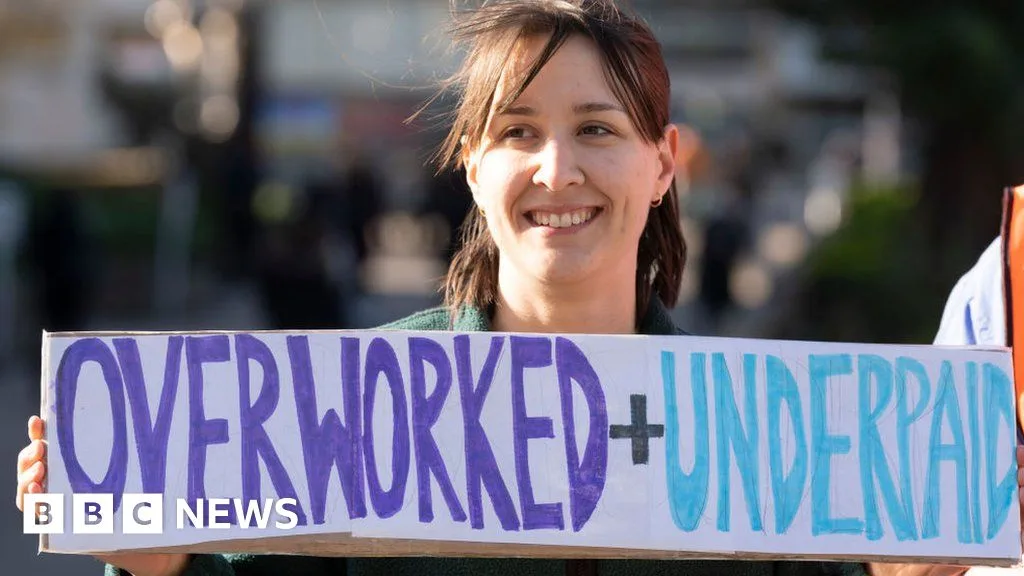
Junior doctors, who make up about half of all hospital doctors, are striking over pay. The British Medical Association (BMA) is demanding a 35% pay rise, which it says would restore earnings to 2008 levels after inflation. The government has deemed this unaffordable and has urged the BMA to call off the strike and return to negotiations.
Patient safety remains a top priority, according to the BMA, which has plans in place with NHS trusts to review staffing levels and bring striking doctors back in emergencies. However, some services will be affected; for example, Cheltenham hospital is directing emergency patients to Gloucestershire Royal. The most recent three-day strike before Christmas led to 88,000 cancelled appointments.
Matthew Taylor, chief executive of the NHS Confederation, described the situation as a 'stand-off', with the government refusing to negotiate unless the strike is called off, and the BMA refusing to call off the strike unless the government commits to more funding. He warned that the health service is 'skating on very thin ice'.
The Department of Health and Social Care has provided £800m to support winter pressures and mitigate the impact of industrial action. A spokesman reiterated the call for the BMA to call off strikes and return to the negotiating table to find a fair and reasonable solution.




