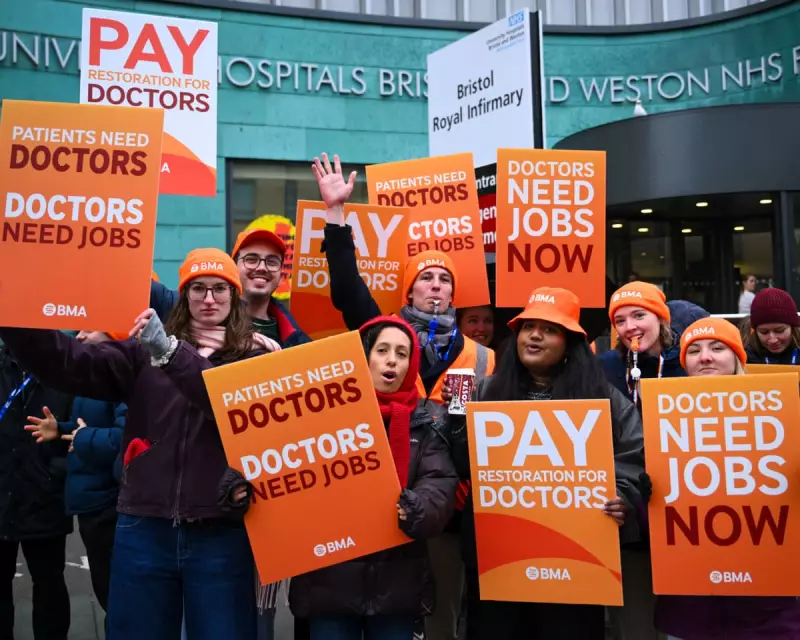
A fresh wave of industrial action by junior doctors in England has begun, but this time against a backdrop of fraying relationships within the medical profession itself. The five-day strike, which commenced on 17 December outside hospitals like the Bristol Royal Infirmary, is unfolding as many senior consultants express growing frustration and a withdrawal of the goodwill that previously underpinned strike cover.
The Core of the Dispute: Pay, Training, and Debt
The British Medical Association (BMA), representing junior doctors, remains in a protracted dispute with the government over pay restoration and working conditions. The underlying issues are stark. Medical students now graduate with debts approaching £100,000, which can balloon to around £120,000 due to interest as they earn roughly £17 an hour in their early NHS years.
Furthermore, the bottleneck in career progression is severe. This year, approximately 30,000 doctors competed for only 10,000 specialty training posts, leaving thousands unable to advance. Promises of an extra 1,000 posts from 2026 are viewed as insufficient. "Until training capacity and retention are addressed together, this dispute will continue – by necessity, not design," argues Karen Ford, a retired public health adviser.

Consultant Goodwill "Disappearing, and Fast"
A significant shift noted in the current strike is the deteriorating relationship between junior doctors and the consultant body that covers their work during walkouts. One NHS consultant in the north-east, who wished to remain anonymous, revealed a dramatic change in sentiment.
While consultants initially provided supportive letters and extra cover, repeated strikes have exhausted this goodwill. "In the past week I have heard them describe junior doctors as 'foolish', 'unprofessional' and 'tone deaf'," the consultant writes. They warn that the loss of support from consultant colleagues may prove more damaging long-term than any political leverage gained from strikes.
Political Offers and Medical Student Morale
The political response has further inflamed tensions. A final-year medical student from the University of Manchester criticises the offer from Health Secretary Wes Streeting and Prime Minister Keir Starmer as lacking good faith. They highlight Labour's refusal to match a Foundation Year 1 doctor's pay with that of a newly graduated Physician Associate.
The student also disputes the government's headline offer of 4,000 new training posts, stating these are largely repurposed existing roles with no guarantee of permanence beyond three years. "The rhetoric used by the government... throwing out phrases like 'juvenile delinquency'... is unprecedented," they add, referencing perceived disrespectful comments from ministers.
Retired doctor Dr Mussaddaq Iqbal calls for honesty from the government, urging them to first acknowledge the years of pay erosion and unpaid work done by doctors. He draws a stark comparison: a new MP earns £93,904 with extensive perks, while a junior doctor undergoes rigorous training for less than half that pay, often spending a third of it to rent a single room in London.
However, not all public sympathy lies with the strikers. Gill Kelly, who works in local government, points out that many public sector workers receive minimal pay rises and finds the timing during an NHS flu crisis "sickening".
As the strike continues, the cost is multifaceted: each round is estimated to cost the NHS hundreds of millions of pounds, and while evidence from previous actions shows no rise in patient mortality due to mitigation measures, the internal rift within the NHS workforce may leave a deeper, more lasting scar.