Iran War Disrupts Medicine Supply to Rural Sudan Amid Ongoing Crisis
Iran War Disrupts Medicine Supply to Rural Sudan

Iran War Exacerbates Medicine Crisis in Rural Sudan

Residents in rural areas of Sudan are facing increasingly severe difficulties in obtaining essential medicines, with many attributing the worsening situation directly to the ongoing war in Iran. The conflict has disrupted vital international shipping routes, leading to critical supply chain failures that are compounding an already dire humanitarian crisis within Sudan itself.

Spiraling Costs and Empty Shelves

Abbas Awad, a 61-year-old resident of a village outside Sudan's capital, Khartoum, describes a situation that has deteriorated markedly. "It has always been challenging to find medicines here," he explained, "but since the war in Iran began, it has become much harder." Awad, who requires medication for glaucoma, now spaces out his doses due to fears that he will not be able to locate or afford more when his current supply runs out.

Local pharmacies in the region are frequently out of stock, and prices for available medicines have spiked dramatically. The financial strain is intensified by Sudan's own three-year internal conflict, which has devastated the economy and left many without reliable income.

Wide Pickt banner — collaborative shopping lists app for Telegram, phone mockup with grocery list

Global Shipping Routes Severely Disrupted

Aid organizations confirm that the Iran war has had far-reaching consequences, cutting off crucial maritime pathways. The standoff between the United States and Iran has effectively shut down the Strait of Hormuz, a key chokepoint for global trade. Other strategic hubs, including Dubai, have also seen significant disruptions.

Transport costs have soared due to increased fuel and insurance rates, placing further strain on humanitarian logistics. The United Nations reports that shipment costs have risen by up to 20%, accompanied by substantial delays as goods are forced onto longer, alternative routes.

Stranded Supplies and Desperate Workarounds

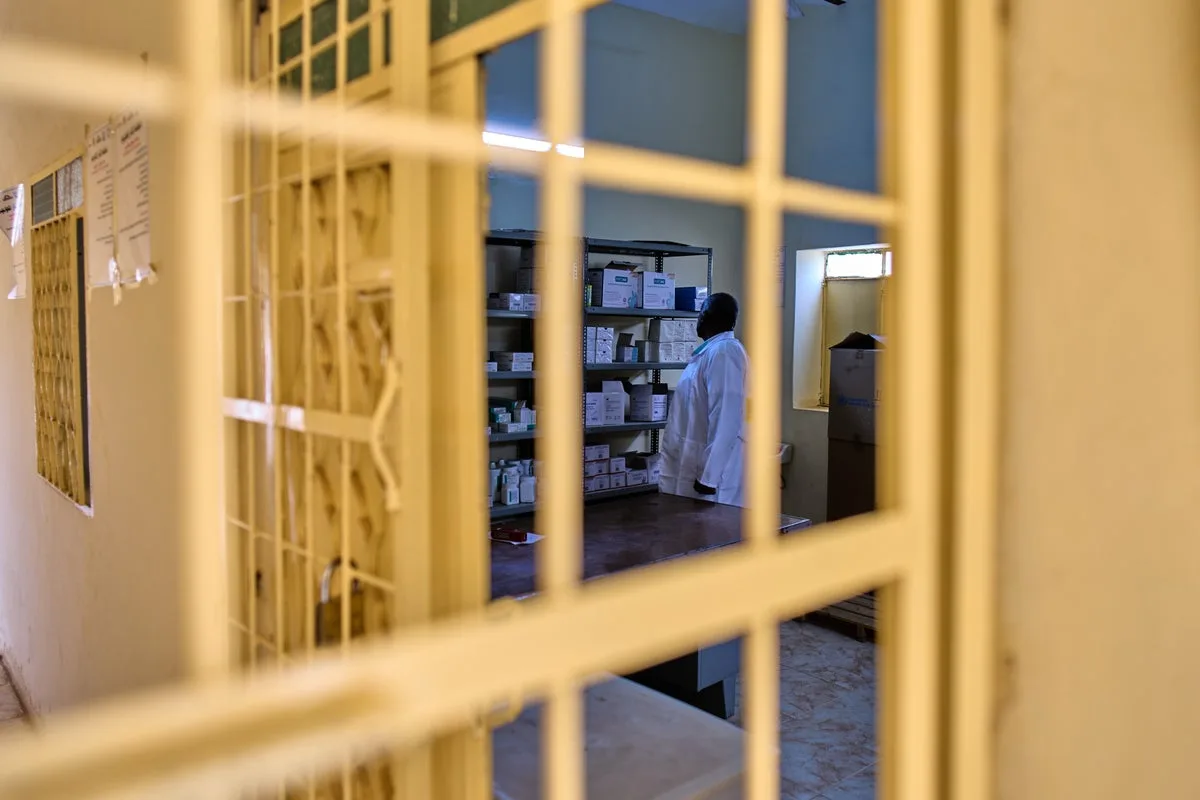
The International Rescue Committee, which supports a public health clinic in Qoz Nafisa village in Khartoum state, revealed that approximately $130,000 worth of pharmaceuticals destined for Sudan was stranded in Dubai for several weeks. These supplies are only now beginning to trickle through.

Madiha Raza, associate director for global public affairs and communications at the IRC, stated, "There’s still a real lag in the system. Shipments remain blocked or delayed, and that’s deeply worrying." To circumvent the blocked air routes, medicines and essential equipment such as antibiotics, painkillers, and stethoscopes had to be transported by road from the United Arab Emirates to Oman before being flown to Port Sudan.

Clinic Struggles to Support Thousands

The IRC-supported clinic in Qoz Nafisa serves approximately 5,000 people, but it is now struggling to meet demand. Dr. Amira Sidig, the center's medical director, reported that the last shipment from the IRC arrived in December. Subsequent deliveries expected in February and April have failed to materialize.

"It’s never enough because they also have a shortage, and we’re again out of stock quickly," Sidig said, referring to attempts by Sudan's health ministry to fill the gaps. The ministry's contributions only account for about half of what is needed.

For several days this month, the clinic had no malaria treatment available, despite the disease accounting for 50% of patient presentations. Ahmed Ibrahim, a clinic worker, noted growing frustration among patients, who frequently ask, "Why are you here and there is no medicine?"

A Fragile Ceasefire Offers Little Hope

Although U.S. President Donald Trump recently extended a fragile ceasefire with Iran, aid groups express skepticism that this will lead to immediate improvements in supply chains. Sudan, widely described as facing the world's worst humanitarian crisis, cannot afford further delays in the delivery of food, medicine, and fuel.

Raza emphasized the devastating consequences of any holdup, stating that for the vulnerable populations relying on humanitarian aid, these disruptions are a matter of life and death. The situation underscores how regional conflicts can have catastrophic ripple effects, exacerbating suffering in nations already grappling with their own profound crises.

Pickt after-article banner — collaborative shopping lists app with family illustration




