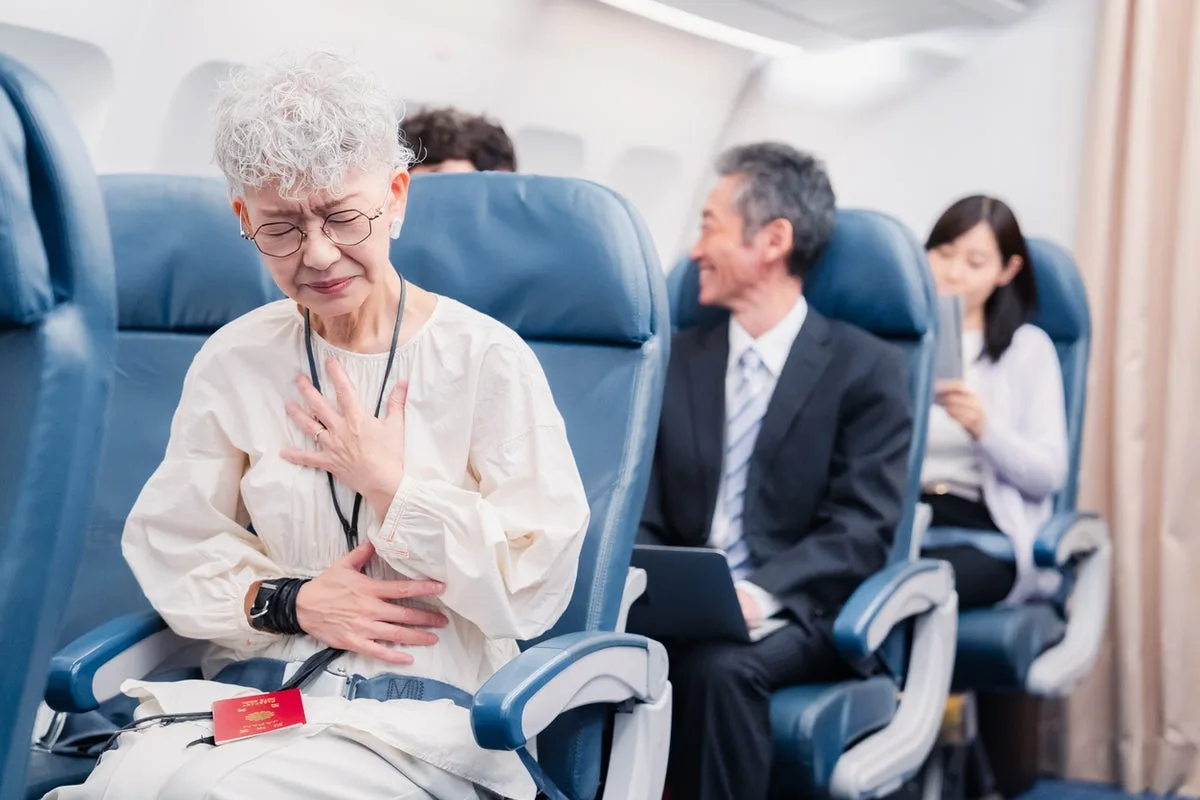
Understanding Flight Fatigue and Bloating: Expert Insights
Long-haul flights often begin with ambitious plans to catch up on work or reading, but for many travellers, this productivity quickly fades into a pervasive sense of sluggishness and abdominal discomfort. To unravel this common mid-flight phenomenon, we consulted medical specialists who identified the primary causes and provided actionable advice for mitigation.
Disruption of Normal Routines
Dr Asimah Hanif, an NHS GP and medical expert collaborating with travel insurance provider Staysure, explains: "When we deviate from our usual routines during a flight, it disrupts our body's accustomed patterns. For instance, you might consume breakfast earlier than normal or eat unfamiliar foods like omelettes. The combination of atypical meal timing and unfamiliar ingredients can disturb digestion, leading to sluggishness."
Dr Mark Austin, a gastroenterology specialist at Nuffield Health in Haywards Heath, concurs: "Flying at irregular times can affect your physiological state, triggering stress hormones that reduce appetite and cause bloating and discomfort."
Key Contributing Factors
The experts highlighted several specific elements that exacerbate flight-related issues:
- Sleep Deprivation: "Poor sleep quality on planes significantly impacts digestion and overall wellbeing," notes Austin.
- Environment: Hanif points out that cabin pressure changes and reduced oxygen levels at altitude can affect digestion and energy, while dry conditioned air leads to dehydration and fatigue.
- Alcohol: Austin warns that alcohol effects are heightened during flights, causing dehydration, sleep disturbances, reflux risk, and blood sugar fluctuations.
- Coffee: Caffeine consumption can confuse the body's internal clock, prolonging jet lag symptoms.
- Airline Food: Meals are often high in salt to compensate for altered taste at altitude, causing water retention, and are typically ultra-processed with excessive carbohydrates and fats that induce sleepiness.
- Sedentary Behaviour: Prolonged sitting reduces circulation, slows metabolism, and impairs nutrient absorption, increasing risks of constipation and gas production.
- Dehydration: Low cabin humidity triggers a stress response that diverts blood from the gut, leading to digestive issues, bloating, and constipation.
Practical Prevention Strategies
To counteract these effects, the specialists recommend the following evidence-based tips:
- Avoid Stimulants: Refrain from alcohol, coffee, and caffeine before and during flights to minimise negative impacts.
- Choose Light Meals: Opt for balanced options with protein and vegetables instead of heavy, starchy, carb-rich airline meals.
- Snack Wisely: If appetite is low, snack on fruits, nuts, and seeds rather than consuming large meals.
- Stay Hydrated: Drink at least half a bottle of water every hour to combat dehydration.
- Move Regularly: Walk around the cabin every two to three hours to improve circulation, aid digestion, and reduce gas buildup.
By implementing these straightforward measures, travellers can significantly enhance their comfort and energy levels, transforming long flights into more pleasant and productive experiences.






