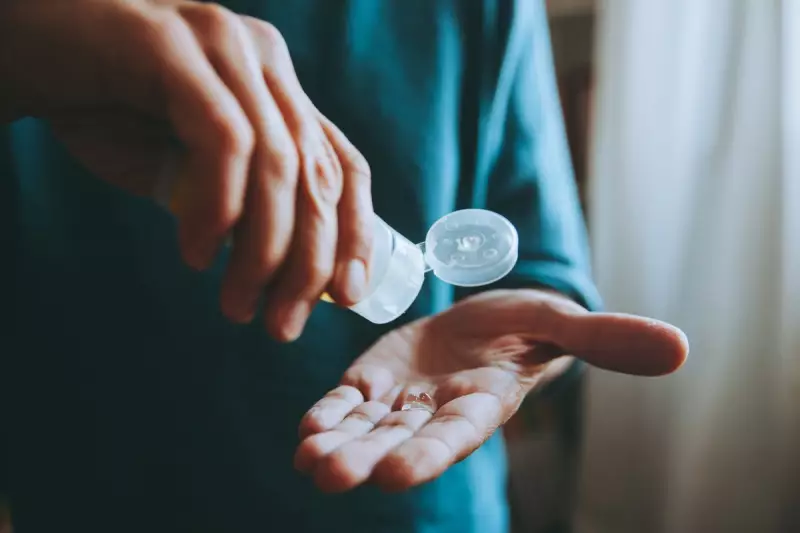
During the COVID-19 pandemic, disinfectants became our trusted shield. Hand sanitisers, antibacterial wipes, and antimicrobial sprays were woven into the fabric of daily life, offering a sense of security. Today, they remain ubiquitous in homes, hospitals, and public spaces across the UK. However, emerging scientific evidence points to a troubling paradox: the very chemicals we rely on for protection might be inadvertently fuelling a far more insidious global health threat.
The Unseen Consequence of 'Clean'
At the heart of this dilemma are quaternary ammonium compounds, commonly known as QACs. These are the active ingredients found in a vast array of disinfectant products, from surface sprays and wipes to some fabric softeners and personal care items. Roughly half of the disinfectants listed by the U.S. Environmental Protection Agency (EPA) as effective against pathogens like SARS-CoV-2 contain QACs.
Due to their massive, everyday use, significant quantities of these chemicals wash down our drains. While wastewater treatment plants remove more than 90% of QACs, the remainder escapes into rivers and lakes, where they persist and accumulate in the environment.

How Disinfectants Breed Resistance
In these aquatic environments, QACs encounter complex microbial communities. Designed to kill microbes, QACs launch a broad attack on cell walls and proteins. Yet, life finds a way. Faced with this chemical onslaught, some hardy bacteria and other microbes don't just die—they adapt.
They develop defences like strengthened cell membranes, toxin-pumping mechanisms, or protective biofilms. Crucially, these survival tactics don't just work against QACs. A growing body of evidence shows they can also make microbes resistant to antibiotics, the very medicines we depend on to treat serious infections.
This happens through two key genetic processes. In co-resistance, genes for QAC resistance and antibiotic resistance are carried together on mobile pieces of DNA, allowing both traits to spread rapidly between bacteria. In cross-resistance, a single defence mechanism protects a microbe against both disinfectants and drugs.
A Looming Public Health Emergency
The widespread overuse of QACs in everyday life amplifies these mechanisms, creating a powerful selective pressure that drives the evolution and spread of resistance. This environmental pathway ultimately helps resistance traits reach human pathogens, contributing directly to the global rise of antibiotic-resistant infections.
The scale of this problem is stark. A new World Health Organization (WHO) report warns that antimicrobial resistance is "critically high and rising" globally. In 2023, one in six laboratory-confirmed bacterial infections worldwide were resistant to antibiotic treatment. Between 2018 and 2023, resistance increased in over 40% of monitored pathogen-antibiotic combinations.
The WHO estimates that in 2019 alone, bacterial antimicrobial resistance directly caused 1.27 million deaths and contributed to nearly five million more worldwide. What begins as a simple act of cleaning a kitchen counter can thus ripple outward, connecting domestic habits to one of the most pressing public health challenges of our time.
Rethinking Our Approach to Cleanliness
This does not mean we should abandon disinfectants altogether. They remain essential tools for infection control in high-risk settings like hospitals, where their benefits are undeniable. The issue lies in their routine and often unnecessary overuse in daily life, where the concept of 'clean' has become synonymous with 'sterile.'
What we frequently overlook is that the action of cleaning doesn't end when the surface dries. QACs, in particular, can persist in the environment, exposing microbial communities to low, chronic levels of the chemicals. This constant, background pressure is ideal for fostering resistance. Other disinfectants like alcohol and bleach carry different ecological risks, highlighting the need for more comprehensive long-term safety assessments.

Ultimately, the disinfectant dilemma teaches us that managing microbes is as much about ecology as chemistry. To protect public health responsibly, we must think beyond what kills germs today and consider how our choices are shaping the more resilient—and more dangerous—microbial world of tomorrow.