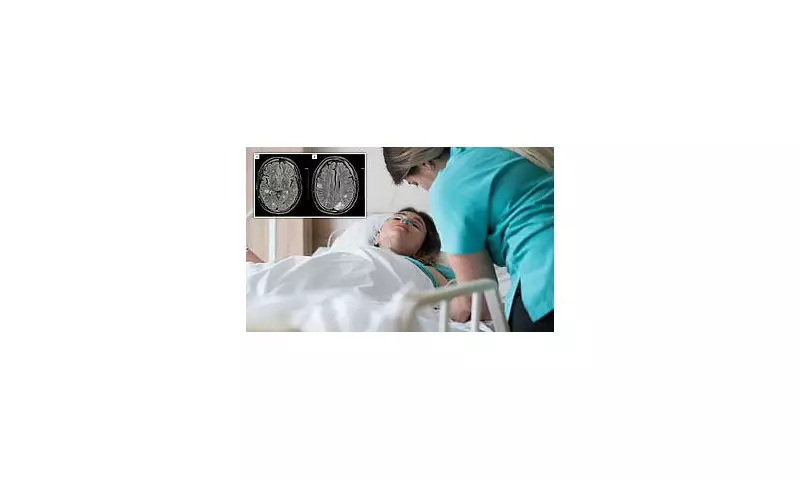
A young, otherwise healthy woman was rushed to hospital after a sudden seizure and loss of feeling on her left side, a terrifying episode later traced to a shockingly common virus carried by millions.
From Seizure to Diagnosis: A Hidden Virus Emerges
The 30-year-old patient experienced a five-minute seizure and was immediately hospitalised. Scans revealed dangerous swelling in her brain, prompting doctors to conduct a spinal tap. The tests uncovered an unexpected culprit: herpes simplex virus 2 (HSV-2), a sexually transmitted infection. The woman was unaware she carried the virus and had never shown symptoms before.
HSV is extremely common, with the US Centers for Disease Control and Prevention (CDC) estimating around 50 million Americans are infected. However, its progression to the brain, known as HSV-2 encephalitis, is exceedingly rare, occurring in roughly two people per million annually.

Unravelling a Complex Medical Case
Further investigation revealed the woman had a history of a seizure five years prior, which she did not seek help for, and liver cirrhosis from past alcohol abuse. While liver disease can cause neurological symptoms, doctors ruled it out as the cause because she had been sober for two months prior to admission.
Her treatment involved high-dose intravenous acyclovir, a standard antiviral, every eight hours, plus antibiotics for a suspected co-infection. Despite this, she suffered another seizure on her fifth hospital day, which was controlled with medication. After a 21-day course of treatment in a skilled nursing facility, she made a full neurological recovery.
A Critical Warning for Clinicians and the Public
The case, published in the American Journal of Case Reports, serves as a stark reminder. Led by Dr Shunsuke Kondo of the University of Hawaii, the reporting doctors emphasised that HSV-2 encephalitis can occur in immunocompetent individuals with no known immune issues.
They urged clinicians to consider HSV-2 in the diagnosis of new-onset seizures, even in the absence of fever. While antiviral treatment can manage the infection, the virus remains dormant in the body for life and may reactivate due to stress, illness, or hormonal changes.
In its most severe form, if the virus infects both the brain and spinal cord, it can cause life-threatening herpes meningoencephalitis. The Cleveland Clinic stresses that early treatment is vital for survival in these rare cases.